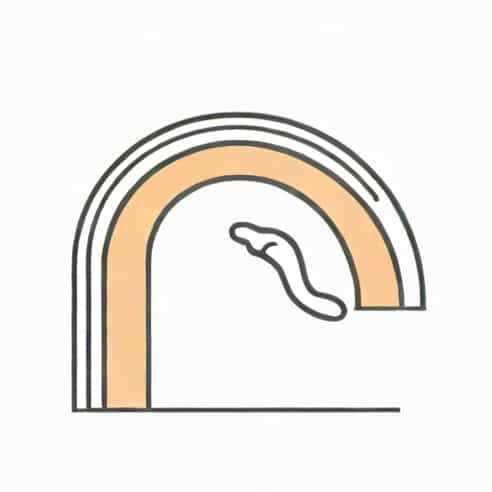
The human foot is a complex structure designed to support the body’s weight, absorb shock, and enable smooth movement during walking, running, and standing. One of its most essential components is the medial longitudinal arch of the foot, a strong yet flexible curve that plays a crucial role in maintaining balance and distributing forces. Without this arch, the foot would not function properly, leading to discomfort, instability, and even chronic orthopedic issues. Understanding the anatomy, function, and clinical relevance of the medial longitudinal arch helps explain how this remarkable structure contributes to human mobility and posture.
Anatomy of the Medial Longitudinal Arch
The medial longitudinal arch is the highest and most prominent arch in the foot. It runs along the inner side, extending from the heel to the heads of the first three metatarsal bones. This arch is formed by a series of bones, ligaments, and muscles that work together to maintain its shape and function.
Bony Components
The bones that make up the medial longitudinal arch include
- Calcaneus (heel bone)– forms the posterior base of the arch.
- Talus– sits on top of the calcaneus and serves as the keystone of the arch, distributing weight between the hindfoot and forefoot.
- Navicular– connects the talus to the cuneiform bones and acts as a stabilizer.
- Three cuneiform bones– contribute to the middle portion of the arch and link to the metatarsals.
- First, second, and third metatarsals– form the anterior segment of the arch, supporting the forefoot.
These bones are arranged in a way that allows flexibility and stability. The talus acts as the keystone, meaning it bears the most stress and holds the other bones in proper alignment.
Ligamentous Support
The stability of the medial longitudinal arch depends heavily on ligaments that connect and secure the bones. The most important of these are
- Plantar aponeurosis (plantar fascia)– a thick band of connective tissue that runs from the calcaneus to the toes, maintaining the arch’s curvature and absorbing impact.
- Spring ligament (plantar calcaneonavicular ligament)– supports the head of the talus and prevents it from dropping downward.
- Deltoid ligament– located on the medial side of the ankle, providing additional reinforcement.
These ligaments act like tension cables, keeping the bones in place and resisting the flattening of the arch under pressure.
Muscular Contribution
Several muscles and tendons also contribute to maintaining the medial longitudinal arch. These include
- Tibialis posterior– one of the most critical dynamic stabilizers of the arch.
- Tibialis anterior– assists in dorsiflexion and helps lift the medial border of the foot.
- Flexor hallucis longusandflexor digitorum longus– help maintain arch integrity during movement.
- Abductor hallucis– supports the medial side of the foot during standing and walking.
When these muscles contract, they tighten the supporting structures and elevate the arch, demonstrating how the foot adjusts dynamically with each step.
Function of the Medial Longitudinal Arch
The medial longitudinal arch is not just a structural feature – it is essential for efficient locomotion and shock absorption. Its key functions include
- Weight distributionThe arch helps distribute body weight evenly across the foot, minimizing pressure on any single area.
- Shock absorptionIt acts like a spring, compressing slightly under load to absorb impact and then returning to its original shape as the load is removed.
- Adaptation to surfacesThe flexible nature of the arch allows the foot to adapt to uneven terrain while maintaining balance.
- Energy conservationDuring walking and running, the arch stores mechanical energy when compressed and releases it during push-off, improving movement efficiency.
Without a functioning medial longitudinal arch, walking would be more rigid and energy-consuming. The arch’s elasticity provides the bounce and smooth transition seen in a healthy gait.
Common Disorders Affecting the Medial Longitudinal Arch
Because the medial longitudinal arch bears significant stress during daily activities, it is prone to several disorders. Some of the most common conditions include
Flatfoot (Pes Planus)
Flatfoot occurs when the medial arch collapses, causing the entire sole of the foot to make contact with the ground. This can be congenital (present from birth) or acquired due to aging, obesity, injury, or muscle weakness. Symptoms include pain, fatigue, and difficulty standing for long periods. Over time, flatfoot can lead to misalignment of the ankles, knees, and hips.
High Arch (Pes Cavus)
In contrast, a high arch is when the medial longitudinal arch is excessively raised. This condition can lead to poor shock absorption and increased pressure on the heel and metatarsal heads. People with high arches are more prone to ankle sprains, metatarsalgia, and plantar fasciitis due to the rigidity of their foot structure.
Plantar Fasciitis
Plantar fasciitis is a common inflammatory condition affecting the plantar fascia. It often results from repetitive stress, poor footwear, or prolonged standing. The pain is typically worst near the heel and most severe in the morning. Since the plantar fascia helps maintain the medial arch, damage to this ligament can significantly affect foot mechanics.
Posterior Tibial Tendon Dysfunction (PTTD)
This condition occurs when the posterior tibial tendon becomes weakened or inflamed, reducing its ability to support the arch. Over time, this can cause the arch to collapse, leading to acquired flatfoot deformity. Early treatment with orthotics or physical therapy is essential to prevent permanent damage.
Maintaining a Healthy Medial Longitudinal Arch
Proper care and strengthening exercises can help maintain the integrity of the medial longitudinal arch throughout life. Here are several effective strategies
- FootwearChoose supportive shoes with proper arch support and cushioning. Avoid wearing completely flat shoes or high heels for long periods.
- Foot exercisesActivities like toe curls, heel raises, and towel scrunches strengthen the intrinsic foot muscles.
- StretchingStretching the Achilles tendon and plantar fascia can reduce tension on the arch.
- Weight managementMaintaining a healthy body weight helps reduce stress on the arch and prevents collapse over time.
- OrthoticsCustom orthotic inserts can provide additional support for individuals with abnormal arch height or foot pain.
Biomechanical Importance in Human Movement
The medial longitudinal arch plays an essential role in biomechanics, influencing posture, gait, and overall movement efficiency. When walking, the arch flattens slightly to absorb shock and then springs back during toe-off, propelling the body forward. This dynamic behavior reduces the strain on muscles and joints higher up in the kinetic chain, including the knees, hips, and spine.
Any imbalance in the medial arch – whether too flat or too high – disrupts this chain, often leading to compensatory movements and musculoskeletal pain. Thus, maintaining the structural and functional health of the arch is not only about foot comfort but about preserving whole-body balance and mobility.
The medial longitudinal arch of the foot is a masterpiece of natural engineering – strong enough to bear body weight and flexible enough to absorb impact. It depends on a delicate balance between bones, ligaments, and muscles to function properly. When this balance is disturbed, it can lead to pain, instability, and impaired movement. Understanding its anatomy and function helps in appreciating how vital the arch is to human locomotion. By supporting and maintaining it through proper care, footwear, and exercise, we preserve not only the health of our feet but also the foundation of our entire posture and movement.