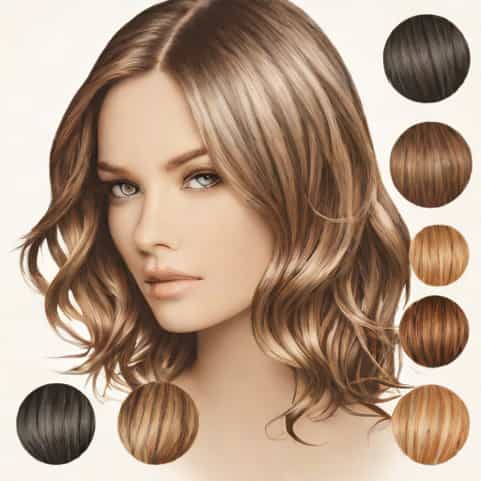
Hair coloring has become an essential part of modern grooming and self-expression. From natural tones to bold fashion colors, there are many ways people choose to enhance or change their hair color. However, one type of hair coloring product that often sparks curiosity is the progressive hair colorant. Understanding the progressive hair colorant meaning helps individuals choose the right product for their needs, especially if they want a gradual and natural-looking color change rather than an instant transformation.
Understanding the Meaning of Progressive Hair Colorant
The term progressive hair colorant refers to a type of hair dye that darkens the hair gradually with each application. Unlike traditional or instant dyes, which deliver full color after one use, progressive hair colorants work slowly over time. Each time the product is applied, the hair becomes slightly darker until the desired shade is achieved. This gradual process allows for better control over the final color and a more natural look.
In simpler terms, the meaning of progressive hair colorant is connected to the word progressive itself it progresses, or develops step by step. It is often used by people who want to restore their natural hair color slowly, especially those who are covering gray hairs but wish to avoid an abrupt color change.
How Progressive Hair Colorants Work
Progressive hair colorants work through a unique chemical process. Most of these products contain metallic salts, such as lead acetate, bismuth citrate, or silver nitrate. When these ingredients are applied to the hair, they react with sulfur found in the hair’s keratin, forming dark pigments. Over repeated use, these pigments build up, creating a gradual darkening effect.
The more frequently the product is used, the darker the hair becomes. Once the desired color is reached, users can switch to a maintenance routine, applying the product less often to retain the color level. This makes progressive hair colorants a flexible option, as users can stop the process anytime they’re satisfied with the shade.
Step-by-Step Process
- First ApplicationThe hair color starts to darken slightly, usually not noticeable after the first use.
- Continued UseWith regular applications, color deepens gradually, blending gray hairs into darker tones.
- Desired ShadeOnce the preferred depth of color is reached, users reduce frequency to maintain it.
Differences Between Progressive and Instant Hair Colorants
To better understand the meaning of progressive hair colorant, it’s useful to compare it with instant hair dyes. Instant colorants use oxidative dyes or direct color molecules that penetrate the hair shaft and change the color in a single application. In contrast, progressive colorants stay on the hair’s surface and slowly darken over time.
Key Differences
- SpeedInstant dyes show results immediately, while progressive ones take several applications.
- ControlProgressive colorants allow users to stop when the right shade is achieved, giving more control.
- Natural AppearanceProgressive dyes tend to give a more natural, less uniform color, mimicking natural hair tones.
- MaintenanceProgressive hair colorants require ongoing use to maintain the color, whereas instant dyes fade over weeks.
- IngredientsProgressive types often use metallic salts; instant dyes typically rely on ammonia and peroxide.
This distinction makes progressive hair colorants particularly appealing to those who want subtle, controlled results rather than dramatic changes.
Who Uses Progressive Hair Colorants?
Progressive hair colorants are most popular among individuals who want to restore or enhance their natural dark hair color without making it look artificially dyed. They are especially favored by men, as many products are marketed specifically for male users seeking a natural gray blending effect. However, anyone seeking a gradual color change can use them.
These products are ideal for
- People with gray or white hair who prefer a natural transition.
- Those who want to avoid harsh chemicals found in traditional hair dyes.
- Users seeking low-maintenance color upkeep.
- Individuals with sensitive scalps who cannot tolerate peroxide-based dyes.
Because of their gradual effect, progressive hair colorants allow for discreet color changes that others may not even notice day to day. This makes them perfect for professionals or older adults who prefer subtle results.
Advantages of Progressive Hair Colorants
Progressive hair colorants offer several advantages that set them apart from traditional dyes. Here are some of the most common benefits
- Gradual ChangeThe slow darkening effect allows for a smooth transition that looks more natural.
- Customizable ResultsUsers can stop at any stage to achieve their desired shade of darkness.
- No Harsh ChemicalsMost progressive colorants are free of ammonia and peroxide, reducing hair damage.
- Low MaintenanceOnce the ideal color is reached, maintaining it requires minimal effort.
- Natural-Looking FinishThe color often appears more authentic than uniform dye jobs.
These advantages make progressive hair colorants an appealing option for those who value subtlety, convenience, and a natural appearance.
Disadvantages and Precautions
While progressive hair colorants have many benefits, they also come with certain drawbacks and precautions that users should be aware of.
- Slow ResultsIt takes multiple applications before noticeable color change appears.
- Metallic Build-upRepeated use may cause metallic residues to accumulate on the hair, leading to stiffness or dryness.
- Compatibility IssuesMetallic-based dyes can react negatively with other chemical treatments like bleaching or permanent dyes.
- Color LimitationsMost progressive hair colorants only darken hair; they cannot lighten or provide vibrant tones.
- RegulationsSome countries have restrictions on ingredients like lead acetate due to health concerns.
Users should carefully read the product labels and follow instructions precisely. It’s also advisable to perform a patch test before first use to ensure there are no allergic reactions.
Types of Progressive Hair Colorants
There are several types of progressive hair colorants available in the market, varying in formulation and strength. The most common types include
- Metallic-based solutionsThese use lead, bismuth, or silver compounds to gradually darken hair.
- Plant-based progressivesSome newer formulas use natural ingredients such as henna, indigo, or herbal extracts that build color slowly.
- Cream or lotion formatsThese provide easy application and conditioning benefits for the hair.
- Sprays and foamsConvenient options for targeted application or touch-ups.
Each type serves different preferences and hair needs, though metallic-based solutions remain the most traditional form of progressive hair coloring.
How to Use Progressive Hair Colorant Safely
Using a progressive hair colorant properly ensures both safety and effective results. Here are some essential steps to follow
- Apply the product evenly to clean, dry hair.
- Use gloves to prevent staining on hands and nails.
- Allow it to dry naturally or as per instructions.
- Repeat applications daily or every few days until desired color depth is reached.
- Once satisfied, reduce frequency to maintain color.
It’s also important to avoid combining progressive dyes with chemical treatments like bleaching, perming, or straightening, as this may cause unpredictable color results or damage.
Progressive Hair Colorant vs. Natural Alternatives
As people become more aware of ingredient safety, some seek natural alternatives to traditional progressive colorants. Plant-based options, such as henna and indigo, offer gradual coloring without the use of metals or harsh chemicals. However, these alternatives may provide less predictable shades and require longer application times.
Still, both synthetic and natural progressive colorants share the same concept of gradual development. Choosing between them depends on personal preferences, hair type, and desired results.
Modern Innovations in Progressive Hair Coloring
Over the years, manufacturers have improved progressive hair colorants to make them safer and more effective. Modern formulations often exclude harmful metals and use organic compounds or safe color-depositing agents. Some newer products even combine progressive and instant color technologies to provide quicker results while maintaining gradual control.
Additionally, companies have developed gender-neutral and fragrance-free formulas to appeal to a broader audience. These advancements ensure that progressive hair colorants remain relevant in the evolving beauty market.
The meaning of progressive hair colorant lies in its name color that progresses over time. It’s a gradual, controlled approach to hair coloring that appeals to those seeking natural, subtle results. By darkening the hair slowly through repeated application, it allows users to customize their shade without harsh chemicals or dramatic changes. Although slower than instant dyes, progressive hair colorants provide flexibility, authenticity, and long-lasting satisfaction. Whether for men or women, young or mature users, these products continue to serve as a timeless and practical solution for graceful hair color enhancement.