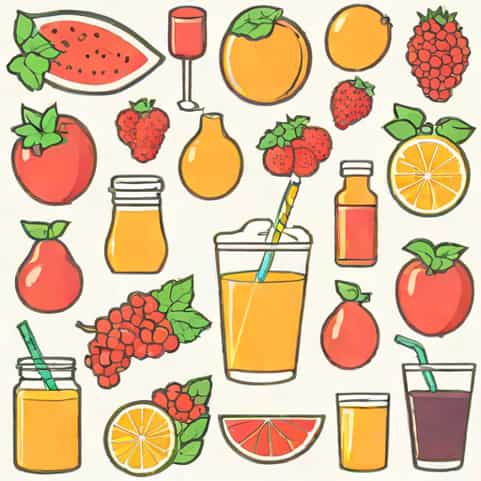
Fructose is a natural sugar found in many foods, and it plays a significant role in human nutrition and energy metabolism. Understanding which foods contain fructose is essential for those managing blood sugar levels, dietary restrictions, or digestive sensitivities. Fructose is present in a variety of fruits, vegetables, sweeteners, and processed foods, making it a common part of daily diets. While fructose provides sweetness and energy, excessive intake can lead to health concerns, including weight gain, insulin resistance, and digestive discomfort. Knowing which aliments contain fructose helps individuals make informed choices about their diet and manage their intake responsibly.
Fruits Rich in Fructose
Fruits are among the primary natural sources of fructose. Most fruits contain varying amounts, and some are particularly high in this sugar. Consuming fruits provides not only fructose but also vitamins, minerals, fiber, and antioxidants, making them beneficial despite the sugar content. People with fructose intolerance or those monitoring sugar intake should be aware of which fruits contain the highest levels.
Examples of High-Fructose Fruits
- Apples – One of the richest sources of natural fructose, especially sweet varieties.
- Pears – Contain significant amounts of fructose, often higher than apples in some varieties.
- Grapes – Both red and green grapes are sweet and fructose-rich.
- Mangoes – Tropical fruits that provide high fructose along with vitamins A and C.
- Watermelon – Contains natural sugars including fructose, contributing to its sweetness.
- Cherries – Offer fructose along with antioxidants and other nutrients.
Vegetables Containing Fructose
While fruits are the most commonly known sources of fructose, several vegetables also contain this sugar. The fructose content in vegetables is usually lower than in fruits but still contributes to overall sugar intake. Including these vegetables in the diet can provide nutritional benefits without excessive sugar consumption.
Examples of Vegetables with Fructose
- Asparagus – Contains moderate amounts of fructose and dietary fiber.
- Onions – Both raw and cooked onions provide fructose, enhancing their natural sweetness.
- Artichokes – A unique vegetable with natural sugars including fructose.
- Leeks – Contain small but noticeable levels of fructose.
- Spinach – Although lower in sugar, it still contributes minor fructose amounts.
Sweeteners and Processed Foods
Fructose is also present in various sweeteners and processed foods. High-fructose corn syrup (HFCS) is one of the most common sources in the modern diet, found in sodas, candies, baked goods, and sauces. Other sweeteners, like agave syrup and honey, are naturally rich in fructose. Awareness of these sources is critical for managing sugar intake, as processed foods can lead to higher and more rapid fructose consumption than natural sources like fruits.
Examples of Sweeteners and Processed Foods
- High-fructose corn syrup – Widely used in soft drinks, snacks, and processed foods.
- Honey – Natural sweetener containing a high proportion of fructose.
- Agave syrup – Often marketed as a healthier alternative to sugar, but rich in fructose.
- Sodas and soft drinks – Sweetened beverages with added fructose.
- Commercial baked goods – Cakes, cookies, and pastries often contain HFCS or fructose-based sweeteners.
Health Considerations Related to Fructose Intake
While fructose is a natural sugar found in many healthy foods, excessive consumption, especially from processed sources, can have negative health impacts. High intake of fructose can contribute to metabolic issues, such as insulin resistance, obesity, fatty liver disease, and increased triglyceride levels. Individuals with fructose malabsorption or hereditary fructose intolerance need to carefully monitor their intake to avoid digestive discomfort, bloating, or more severe health issues.
Managing Fructose Intake
- Focus on whole fruits and vegetables – They provide fiber and nutrients that slow sugar absorption.
- Limit processed foods with added sweeteners – Reducing HFCS and sugary beverages helps control overall fructose intake.
- Monitor portion sizes – Even natural fructose from fruits can contribute to overall sugar consumption.
- Consult a nutritionist – For those with fructose intolerance, professional guidance ensures a balanced and safe diet.
Balancing Fructose in the Diet
Incorporating foods that contain fructose into a balanced diet is essential for maintaining health while enjoying natural sweetness. Fruits, vegetables, and small amounts of natural sweeteners can provide energy and nutrients without excessive sugar load. Pairing fructose-containing foods with proteins, healthy fats, and complex carbohydrates helps regulate blood sugar levels and prevent spikes. Awareness of both natural and processed sources of fructose ensures informed dietary choices and promotes long-term health and wellbeing.
Tips for Healthy Fructose Consumption
- Choose whole fruits over juices – Whole fruits have fiber that slows sugar absorption.
- Read labels carefully – Identify foods with high-fructose corn syrup or added sugars.
- Include a variety of fruits and vegetables – Diversifying intake reduces the risk of excessive fructose from a single source.
- Combine with other nutrients – Protein and fat help modulate blood sugar response.
- Stay hydrated – Water supports digestion and metabolism of sugars.
Fructose is a naturally occurring sugar found in many fruits, vegetables, and sweeteners. Understanding which aliments contain fructose is crucial for dietary management, especially for individuals with health concerns related to sugar intake. Fruits such as apples, pears, and grapes, as well as vegetables like onions and asparagus, provide natural sources of fructose along with essential nutrients. Processed foods and sweeteners, including high-fructose corn syrup, honey, and agave syrup, contribute to higher levels of consumption and may pose health risks if not moderated. By balancing fructose intake, focusing on whole foods, and being mindful of processed sources, individuals can enjoy the natural sweetness of their diet while supporting long-term health and wellbeing.