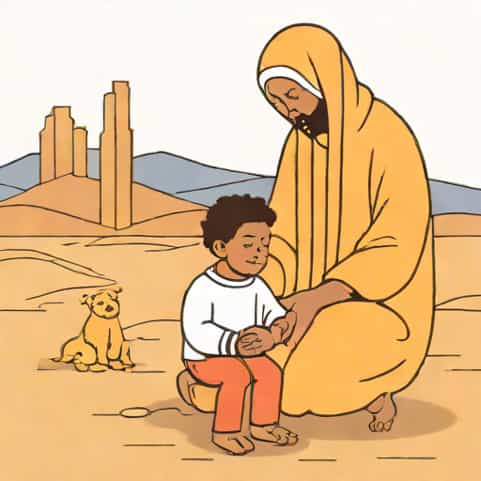
Quincy Suffer the Little Children is a title that immediately evokes curiosity, inviting readers to explore a narrative that intertwines moral reflection, historical context, and deep emotional resonance. This work, whether a book, play, or piece of literature, captures themes of innocence, societal responsibility, and the challenges faced by vulnerable populations. The title itself references a well-known biblical phrase, highlighting the importance of caring for children and considering their welfare in all aspects of life. It sets the tone for a story or discussion centered around empathy, justice, and the ethical dilemmas surrounding childhood and protection.
Understanding the Context of Quincy Suffer the Little Children
To fully appreciate Quincy Suffer the Little Children, it is essential to understand its historical and cultural backdrop. The narrative likely examines the social and moral issues surrounding children’s lives in specific communities or periods, perhaps exploring themes of neglect, education, and societal responsibility. The use of Quincy in the title may indicate a geographical setting, a central character, or a symbolic representation of a community grappling with the challenges of nurturing and protecting its youngest members. The combination of a proper noun and a biblical reference creates a striking contrast, drawing attention to the universal relevance of the story’s themes.
The Biblical Reference
The phrase suffer the little children originates from the Bible, often interpreted as allow the children to come unto me, emphasizing the significance of innocence, care, and moral duty. In the context of this work, the reference may serve multiple purposes. It could highlight the innocence and vulnerability of children in the narrative, provide a moral framework for the story, or critique societal structures that fail to protect the young. This biblical connection encourages readers to reflect on ethical responsibilities toward children, enhancing the emotional depth of the narrative.
Themes Explored in the Work
Quincy Suffer the Little Children engages with several profound themes that resonate with readers across generations. These themes not only provide a narrative framework but also encourage reflection on broader social and moral issues.
Childhood Innocence and Vulnerability
At the heart of the work is the exploration of childhood innocence and the inherent vulnerability of young individuals. By focusing on children, the narrative emphasizes the need for protection, guidance, and nurturing. Characters and situations in the story may illustrate the contrast between innocence and the harsh realities of society, highlighting the challenges children face in environments lacking support or empathy.
Societal Responsibility
The narrative may also examine the role of society in safeguarding children. This includes family, community, and governmental structures responsible for providing education, healthcare, and emotional support. The title suggests that the story emphasizes the moral imperative to recognize and address the needs of children, particularly those who are marginalized or at risk. Readers are encouraged to consider how societal actions or inactions impact the well-being of the youngest members of the community.
Ethical Dilemmas and Moral Reflection
Another prominent theme in Quincy Suffer the Little Children is the exploration of ethical dilemmas. Characters may face difficult choices regarding how to protect, educate, or empower children, reflecting the complexity of moral decision-making. This theme invites readers to reflect on their own values and responsibilities, drawing parallels between the narrative and real-world challenges in child welfare and protection.
Characters and Narrative Structure
The strength of Quincy Suffer the Little Children lies in its character development and narrative structure. Characters may range from children facing adversity to adults navigating complex moral landscapes. The interactions between characters highlight themes of compassion, justice, and resilience, allowing readers to engage deeply with the narrative. A well-constructed plot provides both tension and resolution, emphasizing the importance of empathy and understanding in addressing challenges faced by children.
Child Protagonists
Central to the story are likely the child characters whose experiences drive the narrative. Their perspectives provide insight into the challenges of growing up in environments where protection, support, or guidance may be lacking. Through these characters, readers can explore themes of resilience, hope, and the capacity for growth despite adversity. The experiences of these children are often the emotional core of the narrative, evoking empathy and concern from the audience.
Adult Figures and Mentors
Adults in the narrative may serve as mentors, guardians, or obstacles. Their actions reflect societal attitudes toward children and influence the trajectory of the story. Positive adult figures can embody compassion, guidance, and advocacy, while negative figures may illustrate neglect, indifference, or harmful practices. These contrasting portrayals highlight the moral stakes involved in child protection and the impact of adult intervention-or the lack thereof-on young lives.
Symbolism and Literary Devices
Quincy Suffer the Little Children likely employs various literary devices and symbolism to reinforce its themes. The use of the biblical phrase is itself a powerful symbol, suggesting moral guidance and ethical responsibility. Symbolism may also appear in settings, objects, or events, representing innocence, growth, danger, or protection. Literary devices such as foreshadowing, allegory, and metaphor deepen the narrative, encouraging readers to engage with the story on both intellectual and emotional levels.
Setting as a Reflection of Theme
The setting, whether it is a town named Quincy, a school, or a broader community, can serve as a reflection of societal conditions affecting children. Environments may be depicted as nurturing and protective or harsh and neglectful, reinforcing the story’s moral and social messages. The setting often mirrors the challenges and opportunities faced by the characters, emphasizing the broader relevance of the narrative.
Impact and Relevance
Though Quincy Suffer the Little Children may focus on specific characters and settings, its themes are universal. The story encourages reflection on the responsibilities of individuals, families, and communities toward children. It raises awareness of issues such as child welfare, education, and protection, highlighting the ethical imperative to create supportive environments for growth and development. Its relevance extends beyond its narrative, inspiring readers to consider real-world applications and social change.
Lessons for Readers
- Understanding the importance of nurturing and protecting children in all aspects of society.
- Recognizing the ethical responsibilities of adults and communities toward vulnerable populations.
- Appreciating the resilience and potential of children even in challenging circumstances.
- Encouraging reflection on moral choices and social action that impact the well-being of future generations.
- Promoting empathy and awareness through engagement with complex, thought-provoking narratives.
Quincy Suffer the Little Children is a compelling exploration of childhood, morality, and societal responsibility. Through its narrative, characters, and themes, it underscores the significance of protecting and nurturing the youngest members of society. The biblical reference in the title adds moral weight and invites readers to reflect on ethical obligations in both personal and communal contexts. By engaging with this work, readers can gain insight into the challenges faced by children, the complexities of adult intervention, and the universal importance of empathy, justice, and care.
Ultimately, Quincy Suffer the Little Children offers both a poignant story and a moral framework, encouraging reflection on how societies and individuals treat their most vulnerable members. Its exploration of innocence, resilience, and responsibility ensures its continued relevance, making it a valuable resource for readers interested in literature that combines narrative depth with ethical inquiry. The story’s lessons extend beyond the page, prompting real-world consideration of child welfare and the role each person plays in fostering safe and nurturing environments for children to thrive.