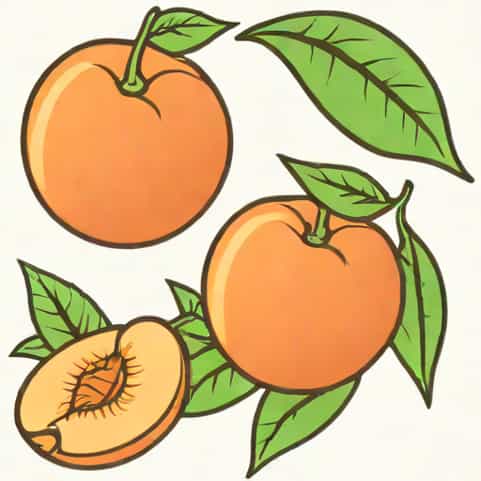
Peach cultivation is a complex process that requires careful consideration of the genetic and environmental factors affecting fruit production. Among the varieties of peach trees, self-unfruitful cultivars are particularly interesting because they cannot set fruit on their own due to self-incompatibility. This trait presents both challenges and opportunities for growers who aim to optimize yield and fruit quality. Understanding the characteristics, management practices, and implications of self-unfruitful peach cultivars is essential for successful orchard planning and ensuring consistent production throughout the growing season.
Understanding Self-Unfruitful Cultivars
A self-unfruitful cultivar of peach is one that requires cross-pollination from another compatible peach variety to produce fruit. This inability to self-pollinate arises from genetic mechanisms that prevent the tree’s own pollen from fertilizing its ovules. While self-unfruitful cultivars may display abundant flowering, the absence of compatible pollen from a different cultivar will result in poor fruit set or complete crop failure. As such, these cultivars depend heavily on pollinators like bees to transfer pollen between trees.
Genetic Basis of Self-Unfruitfulness
The self-incompatibility in peach trees is governed by specific genetic loci that control pollen-pistil interactions. In self-unfruitful cultivars, these genes prevent the recognition of self-pollen, thereby inhibiting fertilization. This trait has been naturally selected in some cultivars to encourage genetic diversity and reduce the risk of inbreeding. However, for orchard managers, it necessitates strategic planting designs to ensure cross-pollination and maximize fruit yield. Knowledge of compatible cultivars is critical to pair self-unfruitful trees effectively.
Challenges in Cultivation
Growing self-unfruitful peach cultivars comes with unique challenges. Since these trees cannot set fruit independently, failure to plant compatible pollinizers within proximity can lead to substantial economic losses. Weather conditions, such as rainfall or temperature fluctuations during flowering, can further complicate pollination, reducing the efficiency of pollen transfer. Moreover, reliance on insect pollinators introduces an element of unpredictability, as pollinator activity can be influenced by environmental factors, pesticide use, and seasonal variations.
Pollination Strategies
To overcome the inherent limitations of self-unfruitful peach cultivars, growers employ several strategies
- Companion PlantingPlanting compatible peach varieties nearby ensures that cross-pollination occurs naturally. Knowledge of bloom periods and pollen compatibility is vital.
- Introducing PollinatorsManaged honeybee colonies or other pollinating insects are often introduced to orchards to improve fruit set.
- Hand PollinationIn smaller orchards or high-value crops, manual pollination can supplement natural pollination to guarantee fruit development.
- Pruning and Tree SpacingProper pruning encourages flower visibility and accessibility for pollinators, while optimal spacing ensures effective pollen transfer between trees.
Advantages of Self-Unfruitful Cultivars
Despite the challenges, self-unfruitful peach cultivars offer several advantages. Because they require cross-pollination, they naturally encourage genetic diversity, which can lead to healthier trees and improved resistance to diseases. Additionally, careful selection of pollinator varieties allows growers to influence fruit characteristics such as size, flavor, and texture. In some cases, self-unfruitful cultivars are preferred for commercial production due to their consistent flowering and the potential to produce high-quality fruit when cross-pollination is optimized.
Economic and Commercial Considerations
From a commercial perspective, self-unfruitful peach cultivars can be highly profitable if managed correctly. Growers can strategically design orchards with complementary cultivars to maximize yield and fruit quality. However, the need for cross-pollination also increases labor and management costs, including the maintenance of pollinator populations and careful monitoring of bloom synchrony. Selecting the right combination of cultivars, understanding their flowering periods, and ensuring robust pollination infrastructure are essential for economic viability.
Best Practices for Growing Self-Unfruitful Peach Cultivars
Successful cultivation of self-unfruitful peach cultivars requires attention to several critical factors. First, identifying compatible pollinator varieties is essential. Growers should consider bloom overlap, pollen viability, and historical compatibility data when planning their orchards. Second, maintaining healthy pollinator populations is key, as these insects are the primary agents of cross-pollination. Third, cultural practices such as irrigation, fertilization, and pruning should be tailored to support both flowering and fruit development. Lastly, monitoring environmental conditions during the flowering period can help mitigate risks associated with weather-related pollination failures.
- Selection of Compatible CultivarsUse established compatibility charts to select pollinizer trees that bloom concurrently with the self-unfruitful cultivar.
- Pollinator ManagementIntroduce honeybees or native pollinators at the right time to maximize fruit set.
- Orchard LayoutAlternate rows of self-unfruitful and pollinator cultivars to facilitate effective pollen transfer.
- Flowering SynchronyMonitor and manage bloom periods to ensure overlap between cultivars for optimal fertilization.
Future Research and Breeding
Ongoing research in peach breeding aims to address some of the challenges associated with self-unfruitful cultivars. Scientists are exploring genetic modifications and selective breeding techniques to develop cultivars with partial self-compatibility, reducing dependence on external pollinators. Additionally, studies on enhancing pollinator efficiency and understanding the genetic mechanisms behind self-incompatibility may lead to more resilient and productive peach orchards in the future. Innovations in orchard technology, including automated pollination systems, also hold promise for improving the management of self-unfruitful cultivars.
Self-unfruitful cultivars of peach present a unique combination of challenges and opportunities for growers. Their reliance on cross-pollination requires careful planning, selection of compatible pollinators, and effective management of pollinator populations. However, when cultivated properly, these trees can produce high-quality fruit, promote genetic diversity, and offer commercial advantages. Understanding the biology, pollination requirements, and management practices for self-unfruitful peach cultivars is essential for successful orchard operations. With continued research and innovation, growers can optimize fruit set, enhance crop quality, and ensure sustainable production of these valuable cultivars in modern agricultural systems.