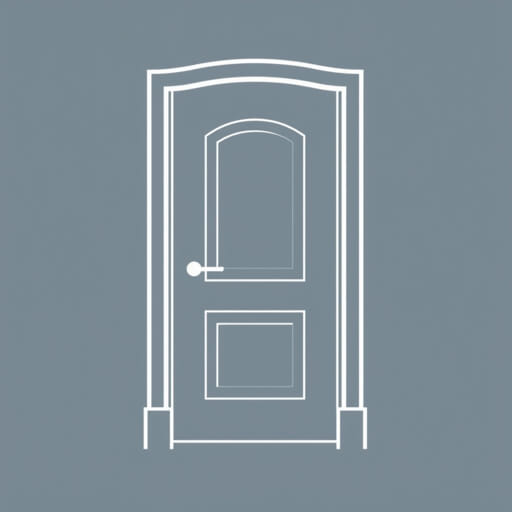
When it comes to finishing touches in interior design and carpentry, few elements make as subtle yet powerful a statement as door architraves and skirting boards. These two features often go unnoticed, but they frame rooms, protect walls, and elevate the overall aesthetics of a home. Whether you are renovating an older property or putting the final polish on a new build, understanding the purpose, styles, materials, and installation of door architrave and skirting is essential for achieving a professional finish.
What Is a Door Architrave?
Door architrave refers to the decorative moulding that surrounds a doorway. It serves both a practical and decorative role. Primarily, it hides the joint between the wall and the door frame, but it also adds visual interest and structure to a room. Architraves come in various profiles, from simple square-edged designs to more ornate, classical mouldings.
Functions of Door Architrave
- Concealment: It covers unsightly gaps and rough edges around the door frame.
- Decoration: Architraves can define the style of a room, whether modern or traditional.
- Transition: They provide a visual transition between wall and door, adding depth and character.
Common Materials Used
The most frequently used materials for door architraves include:
- MDF (Medium-Density Fiberboard): Affordable, smooth, and easy to paint, but less durable than hardwood.
- Softwood: Pine is common and takes paint or stain well.
- Hardwood: Oak, walnut, or mahogany provide a premium finish and greater durability.
Understanding Skirting Boards
Skirting boards, also known as baseboards, are installed at the junction where the floor meets the wall. Their primary purpose is to protect walls from damage, especially from furniture or foot traffic, but they also serve as an important aesthetic element in any room.
Why Skirting Boards Are Important
- Protection: Prevents scuffs, dents, and water damage at the base of the wall.
- Neat Finish: Covers uneven floor edges and expansion gaps in flooring.
- Visual Cohesion: Adds a frame-like finish to the walls, enhancing room symmetry and proportion.
Styles and Profiles
Like architraves, skirting boards come in a wide range of styles and sizes to match different interior themes:
- Torus: Features a classic curved design, widely used in UK homes.
- Ogee: Has an elegant S-shaped profile, often found in more traditional spaces.
- Chamfered or Bevelled: Clean, angled edge for a modern minimalist look.
- Bullnose: Rounded top edge, offering a smooth, contemporary appearance.
How Architrave and Skirting Work Together
For a consistent and polished look, architraves and skirting should ideally complement each other. Using matching materials and styles ensures that these elements visually flow across the room. For instance, a torus architrave pairs well with a torus skirting, maintaining harmony and uniformity.
Design Tips for Pairing
- Choose a common profile or similar edge detail for both architrave and skirting.
- Stick with the same thickness or make sure transitions appear intentional.
- If mixing styles, ensure the architrave is not more ornate than the skirting unless you are making the doorway a focal point.
Installation Considerations
Proper installation of both door architrave and skirting is crucial. Poorly installed moulding can result in visible gaps, misalignments, and even structural issues if not secured correctly.
Tools and Preparation
Basic tools include a mitre saw, measuring tape, hammer or nail gun, adhesive, and filler. Before installation:
- Ensure walls and floors are clean and dry.
- Measure accurately and pre-cut the pieces for fitting.
- Dry-fit the mouldings before final attachment to ensure alignment.
Fixing Methods
- Nailing: Common with timber materials and often secured into wall studs.
- Adhesive: Especially for MDF or where nails might damage the wall surface.
- Screws: Less common but useful for areas needing a firmer hold.
Finishing Touches
Once installed, door architraves and skirting boards are typically painted or stained to match the room’s color scheme. Pre-primed MDF can be painted straight away, while bare wood may require sanding, priming, and multiple coats of paint or varnish.
Maintenance Tips
- Regularly clean to avoid buildup of dust and grime.
- Touch up paint or varnish periodically to maintain a fresh look.
- Inspect for signs of warping or separation, particularly in rooms with fluctuating humidity.
Customizing to Your Space
Custom architraves and skirting can add unique personality to your home. Whether you opt for tall skirting to create grandeur or minimal profiles for a contemporary vibe, these elements can be tailored to reflect your personal taste and interior goals.
Height and Thickness Considerations
The size of your room and ceiling height often dictate how tall your skirting and architrave should be. As a general guideline:
- Skirting boards between 100mm and 150mm work well in most modern homes.
- Higher ceilings may benefit from 200mm or taller skirting for proportion.
- Architraves are usually 70mm to 100mm wide, but can be more elaborate in period properties.
Trends in Architrave and Skirting
Modern trends lean toward clean lines and minimalist profiles, while traditional homes often retain more decorative mouldings. Some homeowners are also experimenting with contrasting colors painting skirting in darker hues than the wall to create a striking baseboard effect. Using sustainable materials and moisture-resistant options is also growing in popularity, especially for bathrooms and kitchens.
Door architraves and skirting boards may not always grab attention, but their role in defining and completing a space cannot be overstated. They add structure, conceal imperfections, and contribute to the overall ambiance of a room. By choosing the right materials, styles, and finishes, and ensuring careful installation, you can enhance the elegance and functionality of your interiors. Whether you’re updating a single room or undertaking a full renovation, giving due attention to architrave and skirting will reward you with a refined and cohesive result.