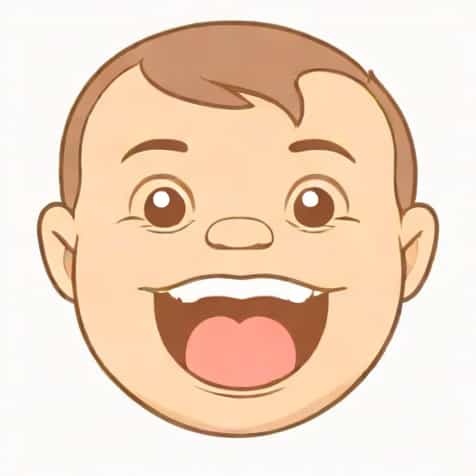
Teething is a significant milestone in a baby’s early development, and many parents eagerly anticipate the first appearance of their child’s teeth. Babies are typically born with a complete set of primary teeth hidden beneath the gums, which gradually emerge during the first years of life. Understanding what age babies start to teeth, the signs of teething, and how to manage discomfort is important for both caregivers and healthcare providers. While there is a general timeline for teething, it is important to remember that every child develops at their own pace, and variations are perfectly normal.
Typical Age for Teething
Most babies begin to teethe between six and ten months of age, although some may start earlier or later. The first teeth to appear are usually the lower central incisors, followed by the upper central incisors. By the age of three, most children have a full set of 20 primary teeth. While there is a general order of eruption, timing can vary widely from one child to another. Some babies may even show teeth as early as three months or as late as 12 months, and both scenarios can be considered within the range of normal development.
Teething Timeline
Understanding the typical sequence of tooth eruption can help parents anticipate changes and monitor their child’s growth
- Lower central incisors around 6-10 months
- Upper central incisors around 8-12 months
- Upper lateral incisors around 9-13 months
- Lower lateral incisors around 10-16 months
- First molars (upper and lower) around 13-19 months
- Canines (upper and lower) around 16-22 months
- Second molars (lower and upper) around 23-33 months
These age ranges provide a framework, but parents should remember that each child’s teething pattern may differ slightly. Early or delayed teething does not necessarily indicate a health problem, but regular check-ups with a pediatric dentist are recommended.
Signs and Symptoms of Teething
Teething can cause a variety of physical and behavioral changes in babies. Common signs include
- Increased drooling, which may cause a rash around the mouth and chin
- Chewing or gnawing on objects to relieve gum discomfort
- Irritability, fussiness, or changes in sleeping patterns
- Swollen or tender gums
- Mild changes in appetite, such as refusing to feed or biting during nursing or bottle feeding
It is important to note that severe symptoms such as high fever, diarrhea, or vomiting are not typical signs of teething and may indicate other health issues. Parents should consult a pediatrician if these occur.
Managing Teething Discomfort
There are several strategies parents can use to ease teething discomfort for babies. These include
- Providing teething rings or chilled (not frozen) toys to chew on
- Gently massaging the baby’s gums with a clean finger
- Using soft washcloths or silicone teething toys for relief
- Offering cold foods or liquids if the baby has started solid foods
- Consulting a healthcare provider before using any over-the-counter teething gels or medications
Creating a soothing environment and giving the baby extra attention during teething can also help reduce irritability and discomfort.
Factors Affecting Teething Age
Several factors can influence the timing of teething. Genetics play a significant role, as children often follow a similar pattern to their parents or siblings. Premature birth can also affect the eruption schedule, with some premature babies experiencing delayed teething. Nutrition and overall health may influence the strength and development of teeth, but typically have less impact on the exact timing of their appearance. It is important to maintain regular pediatric check-ups to ensure teeth are developing properly.
Early and Late Teething
Babies who start teething earlier than six months are considered early bloomers, while those who have not started by 12 months are on the later end of the spectrum. Both early and late teething can be normal, but parents should monitor dental development and consult a pediatric dentist if teeth have not appeared by 18 months. Early teething may require more vigilance to prevent irritation and injury, while late teething might prompt evaluation of overall oral and nutritional health.
Importance of Oral Care from the Start
Although babies do not have visible teeth at birth, oral hygiene is important from the beginning. Cleaning the baby’s gums with a soft, damp cloth after feedings helps prevent bacteria buildup. Once teeth emerge, brushing with a small, soft-bristled toothbrush and a tiny amount of fluoride toothpaste becomes essential. Establishing oral care routines early supports healthy dental development and reduces the risk of cavities and other oral health problems.
When to Visit a Pediatric Dentist
The American Academy of Pediatric Dentistry recommends scheduling the first dental visit by the baby’s first birthday or within six months of the first tooth eruption. Early dental visits help parents learn proper oral care techniques, monitor growth, and identify potential dental issues. Regular check-ups ensure that teething progresses normally and support lifelong oral health habits.
Babies typically start to teethe between six and ten months of age, though variations from three to twelve months can be normal. Understanding the signs of teething, providing comfort and relief, and maintaining good oral care are crucial for a smooth teething process. Parents should be aware of the typical timeline, know when to seek medical advice, and ensure early dental care. By paying attention to each baby’s unique development, caregivers can support healthy growth and make the teething experience as comfortable as possible for both the child and the family.