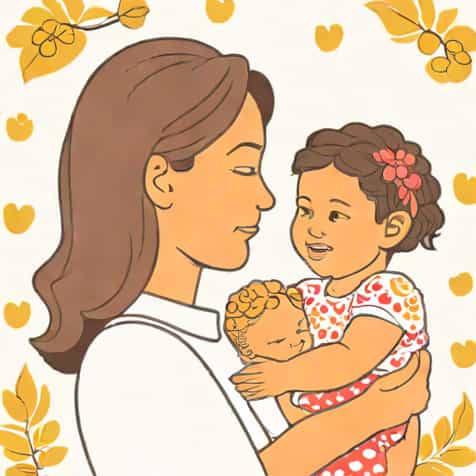
The Spanish language offers beautiful words to describe family relationships, and knowing these terms can help you communicate warmly with Spanish-speaking relatives or friends. When you want to say granddaughter in Spanish, the correct word isnieta. This simple yet meaningful term reflects the special bond between grandparents and their granddaughters. Understanding how to use the wordnietaproperly, along with related vocabulary and cultural context, is essential for anyone learning Spanish or connecting with Spanish-speaking families. Exploring the meaning, pronunciation, and usage of this word can deepen your appreciation of the language and its focus on family ties.
The Meaning of Nieta
In Spanish,nietadirectly translates to granddaughter. It is the feminine form of the wordnieto, which means grandson. Spanish is a gendered language, so many family terms have masculine and feminine versions. Using the correct form shows respect for grammar and helps avoid confusion in conversation. The wordnietais used to describe a female child of someone’s son or daughter, just as granddaughter is used in English.
Pronunciation of Nieta
Pronouncingnietacorrectly is important for clear communication. The word is pronounced asNYEH-tah, where the ie creates a sound similar to the English ye in yes, and the t is soft but clear. Spanish pronunciation is generally straightforward, so once you hear it a few times, sayingnietabecomes natural. Paying attention to pronunciation ensures that your meaning is understood and that you sound more confident when speaking Spanish.
Using Nieta in Sentences
Learning how to use the word granddaughter in Spanish goes beyond memorizing the vocabulary. Here are a few examples of hownietamight appear in everyday sentences
- Ella es mi nieta.– She is my granddaughter.
- Mi nieta vive en Madrid.– My granddaughter lives in Madrid.
- Tengo una nieta que ama la música.– I have a granddaughter who loves music.
- Quiero mucho a mi nieta.– I love my granddaughter very much.
These examples show how simple it is to incorporatenietainto daily conversation. Adding adjectives, such asquerida(beloved) orpequeña(little), can make the phrase even more affectionate.
Plural Form and Variations
When talking about more than one granddaughter, the plural form isnietas. This follows the standard rule in Spanish of adding -s to make a noun plural. For example,Tengo dos nietasmeans I have two granddaughters. If you are referring to grandchildren in general, including both grandsons and granddaughters, the wordnietoscan be used in a mixed-gender group. In Spanish grammar, the masculine plural form covers groups with both male and female members.
Related Family Vocabulary
To fully understand how to talk about family in Spanish, it is helpful to learn words related tonieta. Some common terms include
- Abuela– Grandmother
- Abuelo– Grandfather
- Nieto– Grandson
- Hija– Daughter
- Hijo– Son
- Familia– Family
Knowing these words allows you to describe family relationships more clearly and build sentences that reflect real-life conversations.
Cultural Importance of Family in Spanish-Speaking Countries
Family plays a central role in many Spanish-speaking cultures, and terms likenietacarry emotional significance. Grandparents are often deeply involved in the lives of their grandchildren, sharing traditions, wisdom, and love. In countries such as Mexico, Spain, Argentina, and Colombia, it is common for extended families to gather for meals, celebrations, and holidays. Calling someonenietais not just a label; it reflects affection, respect, and connection across generations.
Expressions of Affection
In addition to simply sayingnieta, Spanish speakers often use affectionate nicknames or phrases to express love for their granddaughters. Some examples include
- Mi querida nieta– My dear granddaughter
- Mi pequeña– My little one
- Mi tesoro– My treasure
These expressions highlight the warmth and closeness often found in Spanish-speaking families. Using them can add emotional depth to conversations and help convey heartfelt feelings.
Learning Through Practice
To remember the wordnieta, practice using it in different contexts. Write simple sentences, speak them aloud, or try having a conversation with a Spanish-speaking friend or language partner. Listening to native speakers, watching Spanish-language shows, or reading family-oriented stories can also help reinforce the term. Consistent practice makes it easier to recall the word naturally when talking about your own family or listening to others.
Common Mistakes to Avoid
Whilenietais a straightforward word, beginners sometimes confuse it with similar-sounding terms. One common mistake is mixing upnieta(granddaughter) withnieto(grandson). Because Spanish relies heavily on gendered endings, paying attention to the -a for feminine and -o for masculine is important. Another error is forgetting to adjust adjectives to match gender and number. For example, when describing more than one granddaughter, both the noun and the adjective should be pluralMis nietas son adorables(My granddaughters are adorable).
Why Knowing Family Terms Matters
Learning words likenietais more than a vocabulary exercise; it opens the door to meaningful connections. Whether you are speaking with relatives, traveling in a Spanish-speaking country, or studying the language for personal growth, understanding how to talk about family relationships enriches your communication. It allows you to share stories, express love, and participate in conversations that go beyond simple greetings.
The word for granddaughter in Spanish isnieta, a term that carries both linguistic and cultural significance. From pronunciation to plural forms and affectionate phrases, mastering this word helps you engage with Spanish-speaking families and appreciate the deep respect for family ties in their cultures. By learning how to usenietain sentences, practicing regularly, and exploring related vocabulary, you can strengthen your Spanish skills and connect more personally with the people you meet. Whether you are a grandparent introducing your beloved granddaughter or a learner exploring new words,nietais a beautiful example of how language celebrates family relationships.