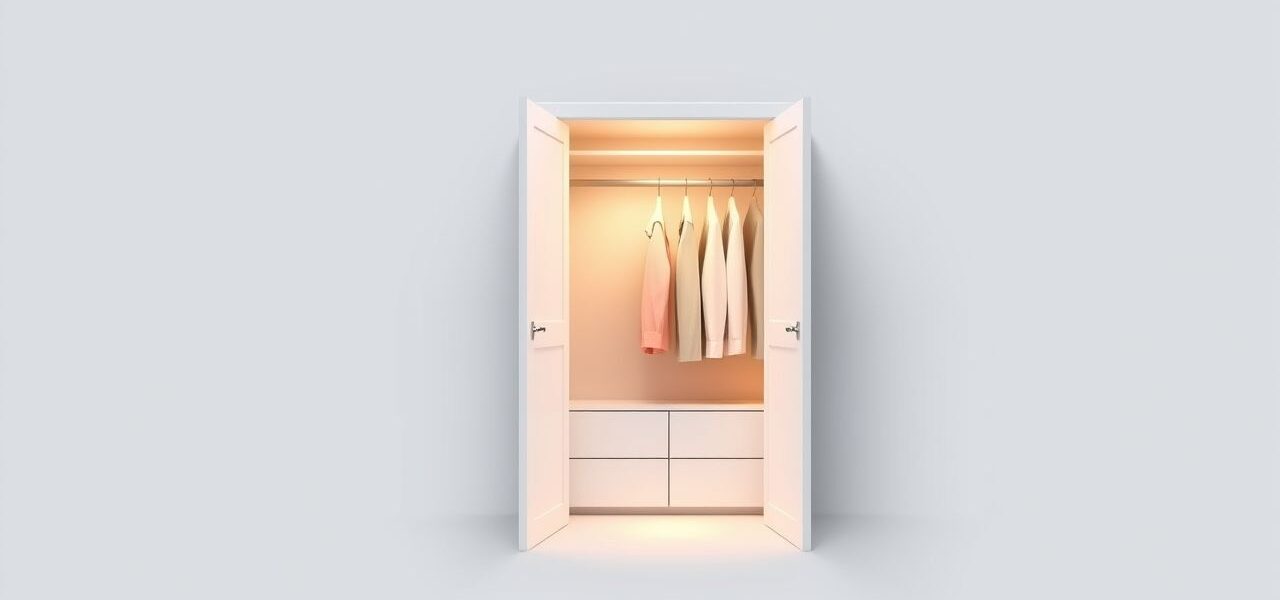
When learning English or interacting with native speakers, the word closet often comes up in conversations about home organization, storage, or fashion. While it may seem like a simple term, closet carries both literal and metaphorical meanings. In American English, a closet is typically a small enclosed space used for storing clothes, shoes, or household items. However, its usage extends into cultural references, expressions, and even emotional metaphors. Understanding what a closet is in English helps improve vocabulary and opens a deeper understanding of its use in everyday life, especially in interior design and communication.
Definition and Usage of Closet
In English, the word ‘closet’ most commonly refers to a small room or enclosed space, especially one used for storing clothes. It is a noun and is primarily used in American English. In British English, the equivalent term is often wardrobe, though closet is still understood in certain contexts, particularly in historical or metaphorical usage.
Common Types of Closets
There are several types of closets found in homes and buildings, and knowing their names in English can be very useful:
- Walk-in closet: A large closet big enough for a person to enter and move around inside. It often includes shelves, drawers, and hanging space for clothing.
- Reach-in closet: A shallow closet that you access by opening a door. Common in bedrooms or hallways for storing clothes or coats.
- Linen closet: A small closet used for storing towels, bed sheets, and other linens. Usually located near a bathroom or bedroom.
- Utility closet: This closet is used for cleaning supplies, brooms, vacuum cleaners, and other household tools.
- Pantry closet: In kitchens, a closet used to store food, spices, and kitchen equipment.
Closet as a Storage Space
In most households, closets are essential parts of organization and storage. People use closets to keep their living space clean and free from clutter. Clothes closets typically have rods for hanging garments, shelves for folded clothes, and sometimes drawers or bins for smaller items. Closets make homes more functional by offering designated spaces for specific items, thus enhancing convenience and cleanliness.
Closets in Different Rooms
Closets serve different purposes depending on where they are located in the house:
- Bedroom closets: Mostly used for storing clothes, shoes, accessories, and personal items.
- Hallway closets: Often used as coat closets or for seasonal items like umbrellas and scarves.
- Bathroom closets: Typically contain towels, toiletries, and cleaning products.
- Kitchen closets: Designed to organize food supplies, kitchenware, and small appliances.
Closet in Figurative Language
Beyond its literal meaning, closet is also used metaphorically in the English language. One of the most common expressions is skeletons in the closet, which refers to secrets that someone wants to keep hidden. This idiom suggests that a person may have something embarrassing or shameful from the past they do not want others to know.
Examples of Figurative Use
- Come out of the closet: A phrase often used to describe someone revealing a personal truth about themselves, particularly regarding sexual orientation. It is a powerful metaphor for honesty and self-acceptance.
- Closet fan: Someone who secretly likes something they don’t admit to publicly, such as being a fan of a certain band or hobby.
- Closet writer: A person who writes in private but has not shared their work with the world.
Etymology and Historical Background
The term closet originated from the Latin wordclausum, meaning closed space or enclosure. In medieval English, a closet referred to a small private room used for reading, prayer, or study. Over time, the meaning evolved into a space for storage, especially in domestic settings. This evolution reflects changes in architecture and lifestyle, where homes began to include designated areas for keeping possessions.
Cultural Relevance of Closets
Closets are a common feature in American homes, and their presence or absence can even affect real estate prices. A walk-in closet, for instance, is considered a luxury in many places and can be a major selling point when buying a home. On a more symbolic level, closets represent privacy and personal space something that’s both practical and emotionally significant.
Closets in Media and Pop Culture
Closets have also found their place in literature, movies, and TV shows. In fantasy fiction, for example, closets sometimes serve as magical gateways, such as the wardrobe in The Chronicles of Narnia. In drama and comedy, closets are often used as hiding places or sources of surprise. Their symbolic use reinforces themes of secrecy, identity, and transformation.
Organizing a Closet
Closet organization is a major topic in home improvement. Proper closet storage can save time, reduce stress, and improve home aesthetics. People often use baskets, hangers, hooks, and boxes to keep their closets neat. Professional organizers suggest decluttering closets regularly by removing items that are no longer used.
Tips for a Well-Organized Closet
- Group similar items together (shirts, pants, dresses).
- Use vertical space with shelves or hanging organizers.
- Rotate seasonal items based on the weather.
- Label bins and boxes for quick identification.
- Donate unused clothes to charity instead of letting them pile up.
Closet vs Wardrobe
One common confusion among English learners is the difference between closet and wardrobe. In British English, a wardrobe refers to a freestanding piece of furniture used for storing clothes. In contrast, a closet is typically a built-in space within the wall. Americans use the term closet more frequently, while wardrobe is more formal or literary in tone.
Key Differences
- Closet: Built-in, enclosed space within a room’s structure.
- Wardrobe: Movable furniture used for hanging or storing clothes.
Understanding the meaning of a closet in English goes beyond simply identifying a place where clothes are kept. It reflects how people live, organize their homes, and express hidden emotions or personal truths. From practical storage spaces to powerful metaphors in language and culture, the concept of the closet plays a unique and versatile role. Whether discussing home design or symbolic expression, recognizing the various meanings and uses of the word closet will enrich both everyday conversation and comprehension of English.