The life cycle of insects has fascinated humans for centuries, especially when it involves creatures that contribute directly to human culture and industry. One such insect is the silkworm, known for producing silk, a material valued for its beauty and strength. When people ask young one of a silkworm is called, they are often seeking more than a simple definition. They are opening the door to understanding the early stages of a remarkable biological process that connects nature, agriculture, and human history.
The Young One of a Silkworm
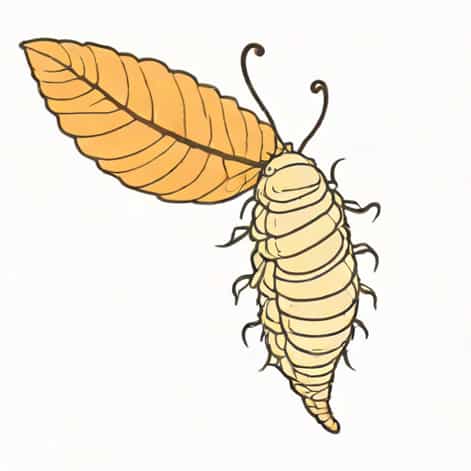
The young one of a silkworm is called a larva. In everyday language, it is also commonly referred to as a caterpillar. This stage is the most active and crucial phase in the silkworm’s life cycle. During this time, the silkworm larva eats, grows, and prepares itself for the transformation that will eventually lead to silk production.
The term larva is used in biology to describe the immature form of insects that undergo complete metamorphosis. In the case of the silkworm, the larval stage is where most of the growth and development occurs.
Understanding the Silkworm Life Cycle
To fully understand why the larva is so important, it helps to look at the complete life cycle of the silkworm. The silkworm goes through four main stages egg, larva, pupa, and adult moth. Each stage has a specific role, but the larval stage is the most productive.
When the egg hatches, the young silkworm emerges as a tiny larva. At this point, it begins feeding almost immediately. This constant feeding behavior is essential for its rapid growth.
Egg Stage
The life of a silkworm begins as a small egg laid by an adult silk moth. These eggs are usually yellow at first and later turn darker before hatching. After about ten days, depending on environmental conditions, the egg hatches into a larva.
Larval Stage
This is the stage where the question young one of a silkworm is called finds its answer. The larva, or caterpillar, spends most of its life eating mulberry leaves. It grows rapidly and sheds its skin several times in a process called molting.
Pupal Stage
After reaching full size, the larva spins a cocoon around itself and enters the pupal stage. Inside the cocoon, it transforms into an adult moth.
Adult Stage
The adult silkworm moth emerges from the cocoon, mates, and lays eggs, completing the cycle.
Characteristics of the Silkworm Larva
The silkworm larva has a soft, cylindrical body and is usually white or pale in color. It has a small head, three pairs of true legs near the front, and several pairs of false legs called prolegs along its abdomen. These features help it move and cling to leaves while feeding.
Despite its simple appearance, the larva is highly specialized for its role. Its digestive system is designed to process large amounts of mulberry leaves efficiently, converting plant material into the proteins needed to produce silk.
Why the Larval Stage Is So Important
The larval stage is the foundation of silk production. During this time, the silkworm stores energy and produces silk proteins in special glands. These proteins will later be used to spin the cocoon.
Without a healthy larval stage, silk production would not be possible. This is why sericulture, the practice of raising silkworms, focuses heavily on caring for larvae.
- Constant access to fresh mulberry leaves
- Clean and controlled living conditions
- Proper temperature and humidity
- Protection from disease and pests
Feeding Habits of the Silkworm Larva
The young silkworm larva feeds almost exclusively on mulberry leaves. This diet is essential because mulberry leaves contain the nutrients required for silk protein production. As the larva grows, its appetite increases dramatically.
In fact, a silkworm larva can eat many times its own body weight in leaves during its development. This intense feeding period explains why the larva stage is often described as the eating stage of the silkworm.
Growth and Molting Process
As the larva grows, its outer skin becomes too tight. To accommodate further growth, the silkworm undergoes molting. The larva sheds its old skin and emerges with a new, larger one.
This process happens several times during the larval stage. Each period between molts is called an instar. With each instar, the larva becomes larger and stronger.
Role of the Larva in Silk Production
The silk produced by silkworms originates entirely from the larval stage. The larva has silk glands that produce a liquid protein substance. When exposed to air, this liquid hardens into silk fiber.
As the larva prepares to become a pupa, it releases this silk protein from its mouth and spins it into a cocoon. A single cocoon can contain hundreds of meters of silk thread.
Educational Importance of the Silkworm Larva
The silkworm larva is often used in educational settings to teach students about life cycles, metamorphosis, and insect biology. Its clear stages of development make it an excellent example for learning.
By observing the young one of a silkworm, students gain insight into growth, adaptation, and the relationship between organisms and their environment.
Common Misunderstandings
Some people mistakenly believe that the young one of a silkworm is called a worm. While the name silkworm includes the word worm, it is actually an insect larva, not a true worm.
Using the correct term, larva or caterpillar, helps clarify its biological classification and life cycle.
Silkworm Larva and Human History
The silkworm larva has played a significant role in human civilization. Silk production dates back thousands of years and has influenced trade, fashion, and culture. The care and cultivation of silkworm larvae have been passed down through generations.
Understanding the larval stage helps explain why silk became such a valuable commodity. The labor and attention required to raise healthy larvae contribute to the value of silk.
A Small Creature With a Big Impact
Although small and seemingly simple, the silkworm larva has an enormous impact on human life. From clothing and textiles to education and science, its influence is widespread.
Knowing that the young one of a silkworm is called a larva opens the door to appreciating the complexity of nature and the intricate processes behind everyday materials.
The young one of a silkworm is called a larva, also known as a caterpillar, and this stage is the heart of the silkworm’s life cycle. It is a time of rapid growth, constant feeding, and preparation for transformation. By understanding the larval stage, we gain insight into biology, silk production, and the delicate balance between humans and the natural world. This simple question leads to a deeper appreciation of how much can come from even the smallest living creatures.