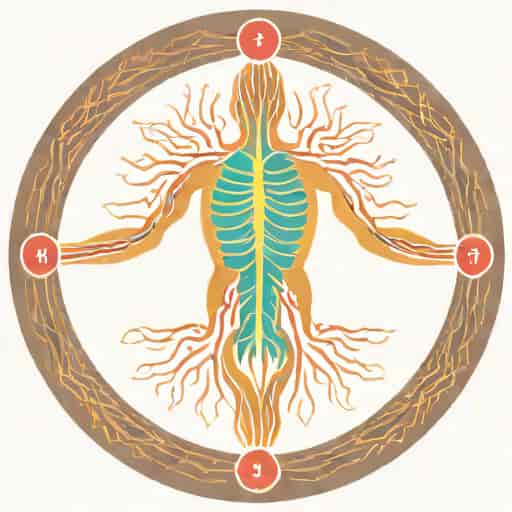
The parasympathetic division of the autonomic nervous system plays a vital role in maintaining balance and stability within the human body. While it often receives less attention than the body’s stress responses, this system is essential for everyday health and long-term well-being. It works quietly in the background, regulating internal organs and promoting rest, recovery, and conservation of energy. Understanding how the parasympathetic nervous system functions helps explain how the body restores itself after activity and maintains internal harmony without conscious effort.
The Autonomic Nervous System Explained
The autonomic nervous system is a part of the peripheral nervous system that controls involuntary bodily functions. These are processes that occur automatically, without conscious thought, such as heart rate, digestion, breathing patterns, and glandular activity.
The autonomic nervous system is divided into two main branches the sympathetic division and the parasympathetic division. While both systems work together, they often have opposing effects. This balance allows the body to respond appropriately to changing conditions.
What Is the Parasympathetic Division?
The parasympathetic division of the autonomic nervous system is commonly described as the rest and digest system. Its primary role is to conserve energy and support routine maintenance functions when the body is at rest.
Unlike systems that prepare the body for action, the parasympathetic division slows the heart rate, stimulates digestion, and promotes relaxation. It is most active during calm situations, such as after eating or during sleep.
Structure of the Parasympathetic Nervous System
The parasympathetic nervous system has a distinct anatomical organization. Its nerve fibers originate mainly from the brainstem and the lower part of the spinal cord. This arrangement is sometimes referred to as the craniosacral outflow.
Parasympathetic nerves travel long distances to reach their target organs. Near or within those organs, they connect with short postganglionic neurons that deliver signals directly to tissues.
Key Nerves Involved
Several cranial nerves play an important role in parasympathetic control. The most significant is the vagus nerve, which influences the heart, lungs, and digestive tract.
- Oculomotor nerve affecting eye muscles
- Facial nerve influencing salivation and tear production
- Glossopharyngeal nerve supporting swallowing and salivation
- Vagus nerve regulating heart rate and digestion
These nerves highlight how closely the parasympathetic division is linked to essential life-sustaining functions.
Functions of the Parasympathetic Division
The parasympathetic nervous system supports many vital functions that keep the body operating smoothly. Its actions are generally calming and restorative.
When the parasympathetic system is active, the body shifts into a state of recovery and maintenance. This is essential for healing, growth, and efficient use of energy.
Effects on Major Organs
The parasympathetic division affects various organs in specific ways. These effects are predictable and consistent, helping maintain internal stability.
- Slows heart rate and reduces blood pressure
- Stimulates digestion and intestinal movement
- Promotes saliva and digestive enzyme secretion
- Constricts pupils in bright light
- Supports bladder emptying
These responses demonstrate how the parasympathetic nervous system prioritizes nourishment, repair, and conservation.
Parasympathetic vs Sympathetic Division
The parasympathetic and sympathetic divisions of the autonomic nervous system work together to regulate bodily functions. They are not enemies but partners in maintaining balance.
While the sympathetic division prepares the body for action by increasing heart rate and redirecting blood flow, the parasympathetic division counteracts these effects once the need for action has passed.
Maintaining Homeostasis
Homeostasis refers to the body’s ability to maintain a stable internal environment. The parasympathetic nervous system is essential to this process.
Without parasympathetic activity, the body would remain in a constant state of alert, leading to exhaustion and imbalance. Its calming influence ensures that systems return to normal after stress.
Neurotransmitters and Communication
The parasympathetic division primarily uses acetylcholine as its neurotransmitter. This chemical messenger allows nerve signals to pass from one neuron to another and then to the target organ.
Acetylcholine binds to specific receptors on cells, triggering responses such as muscle relaxation or glandular secretion. This precise chemical signaling ensures accurate control over bodily functions.
Role in Stress Recovery
After a stressful event, the parasympathetic nervous system becomes increasingly active. This shift helps the body recover by slowing breathing, reducing heart rate, and lowering stress hormone levels.
This recovery phase is just as important as the initial stress response. It allows tissues to repair and prevents long-term damage caused by prolonged stress.
Importance for Digestive Health
One of the most significant roles of the parasympathetic division is its influence on digestion. It increases blood flow to the digestive organs and stimulates muscle contractions in the intestines.
This activity ensures that nutrients are absorbed efficiently and waste is processed effectively. Poor parasympathetic function can contribute to digestive discomfort and irregularity.
Parasympathetic Activity and Sleep
The parasympathetic nervous system is dominant during sleep, especially during deep sleep stages. Its activation supports physical recovery, immune function, and memory consolidation.
Heart rate and breathing slow, muscles relax, and the body focuses on repair. This connection explains why adequate sleep is essential for overall health.
Clinical Significance
Disruptions in parasympathetic function can lead to various health problems. Conditions such as chronic stress, anxiety disorders, and certain neurological diseases may involve reduced parasympathetic activity.
Healthcare professionals often assess autonomic balance when evaluating patients with unexplained symptoms like dizziness, digestive issues, or irregular heart rhythms.
Supporting Parasympathetic Function
Although the parasympathetic nervous system operates automatically, certain lifestyle practices can encourage its activity.
- Deep, slow breathing
- Relaxation techniques
- Regular sleep patterns
- Balanced nutrition
These practices help promote calm states and support the body’s natural recovery mechanisms.
Educational Importance in Biology and Health Studies
The parasympathetic division of the autonomic nervous system is a key topic in biology, anatomy, and health education. It helps students understand how the body maintains balance without conscious control.
Learning about this system also provides insight into how lifestyle choices affect physical and mental health, making it relevant beyond academic study.
The parasympathetic division of the autonomic nervous system is essential for maintaining internal balance, promoting rest, and supporting long-term health. By regulating heart rate, digestion, and recovery processes, it ensures that the body can function efficiently without constant strain.
Although it works quietly and automatically, the parasympathetic nervous system is a cornerstone of human physiology. Understanding its role highlights the importance of rest, recovery, and balance in daily life, reminding us that health depends not only on action and effort but also on calm and restoration.