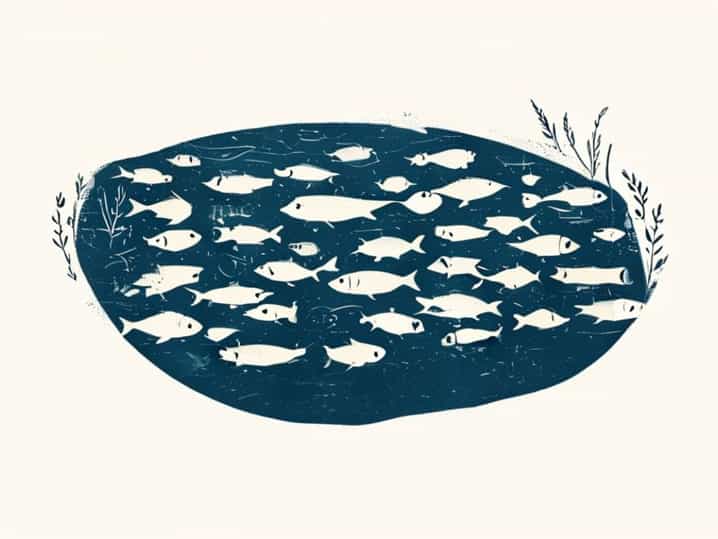
Maintaining a healthy fishpond requires careful management of the number of fish and other aquatic organisms. When a fishpond becomes overpopulated, it disrupts the natural balance of the ecosystem, leading to negative consequences for both the fish and the surrounding environment. Overpopulation increases competition for resources such as food, oxygen, and space, and it can significantly affect the cycle of organisms within the pond. Understanding how overpopulation impacts the biological cycle is essential for aquaculture management, environmental conservation, and sustainable fish farming practices. By examining these effects, we can better appreciate the interconnectedness of organisms in aquatic ecosystems and the importance of regulating population density.
The Concept of Overpopulation in Fishponds
Overpopulation in a fishpond occurs when the number of fish exceeds the pond’s carrying capacity, which is the maximum population size that the available resources can support. Carrying capacity depends on factors such as the pond’s size, water quality, and the availability of food and oxygen. When fish numbers surpass this limit, the pond ecosystem becomes stressed, resulting in poor water quality, reduced growth rates, and higher susceptibility to diseases. Overpopulated ponds also experience an imbalance in nutrient cycles, which can affect the entire food web of the aquatic environment.
Causes of Overpopulation
- Excessive stocking of fish without considering the pond’s capacity.
- Lack of predatory species that would naturally control the fish population.
- Rapid reproduction rates of certain fish species in favorable conditions.
- Poor monitoring and management of pond resources, leading to uncontrolled population growth.
Effects on the Cycle of Organisms
The cycle of organisms in a pond involves interactions between producers, consumers, and decomposers. Overpopulation of fish can disturb this cycle in several ways, affecting oxygen levels, food availability, and waste accumulation. Fish are consumers in the pond ecosystem, and their overabundance can create a ripple effect across the entire food chain. The imbalance can reduce the population of smaller organisms like plankton, increase competition among fish, and alter nutrient cycling. Each of these changes impacts the overall health and sustainability of the aquatic ecosystem.
Impact on Producers
Producers, primarily algae and aquatic plants, form the base of the food chain by producing energy through photosynthesis. In an overpopulated pond, fish may consume large amounts of these producers, reducing their numbers and limiting energy input for other organisms. Furthermore, high fish density can lead to increased turbidity, where water becomes cloudy due to disturbed sediments and waste. This limits sunlight penetration, inhibiting photosynthesis and reducing oxygen production, which negatively affects all aerobic organisms in the pond.
Impact on Consumers
Consumers in a fishpond include herbivorous fish, carnivorous fish, and other aquatic animals. Overpopulation increases competition for food, leading to slower growth rates, malnutrition, and higher mortality. Predatory fish may face food shortages, while herbivorous fish may overconsume algae and plants, creating a shortage for other herbivores. Additionally, stress from overcrowding weakens the immune system of fish, making them more prone to disease and parasite outbreaks. This disruption affects not only fish populations but also insects, amphibians, and other secondary consumers within the pond ecosystem.
Impact on Decomposers
Decomposers such as bacteria and fungi play a crucial role in recycling nutrients by breaking down organic waste and dead organisms. In an overpopulated pond, the amount of waste increases dramatically, creating an excess of organic matter. While decomposers can process some of this waste, excessive accumulation can overwhelm them, leading to a buildup of toxins like ammonia and nitrites. This pollution further degrades water quality, reduces oxygen levels, and can result in mass fish deaths, completing a negative feedback loop that harms the entire pond ecosystem.
Changes in Water Quality
Water quality is closely linked to the health of organisms in a pond. Overpopulation affects key parameters such as dissolved oxygen, pH, and nutrient levels. High fish density increases oxygen demand, which can lead to hypoxia, a condition where oxygen levels drop too low to support life. The accumulation of nitrogenous waste like ammonia and urea further disrupts the chemical balance, stressing fish and other aquatic organisms. Poor water quality can also encourage the growth of harmful bacteria and algae blooms, further destabilizing the pond ecosystem and interfering with the natural cycle of organisms.
Algal Blooms and Eutrophication
Excess nutrients from fish waste can lead to algal blooms, which consume oxygen at night and decompose to release toxins. Eutrophication, the process of nutrient enrichment leading to oxygen depletion, is a direct consequence of overpopulation. These conditions reduce biodiversity by killing sensitive species and favoring organisms that can tolerate low oxygen levels. As a result, the natural cycle of organisms is disrupted, and the pond becomes less productive and less capable of sustaining a balanced ecosystem.
Management Strategies to Prevent Overpopulation
To maintain the cycle of organisms and the overall health of a fishpond, effective management is essential. Preventing overpopulation requires careful monitoring of fish numbers, water quality, and the ecological balance of the pond. By implementing these strategies, aquaculture practitioners and pond owners can preserve a sustainable environment for all organisms.
Key Management Practices
- Stocking fish at densities appropriate for the pond size and carrying capacity.
- Introducing predator species to naturally control prey populations.
- Regularly monitoring water quality parameters such as oxygen levels, pH, and ammonia concentration.
- Implementing controlled feeding to prevent overfeeding and reduce waste accumulation.
- Periodic removal of excess fish to maintain balance in the ecosystem.
Overpopulation in a fishpond has significant effects on the cycle of organisms, impacting producers, consumers, and decomposers alike. Increased competition, reduced oxygen levels, and excess waste disrupt the natural balance, leading to poor fish growth, disease outbreaks, and decreased biodiversity. Maintaining an optimal population density through careful monitoring and management ensures that the pond ecosystem remains productive and healthy. By understanding the effects of overpopulation, aquaculture practitioners can promote sustainable practices that preserve the delicate interactions between all organisms in the pond, safeguarding both the environment and the productivity of the fishery.