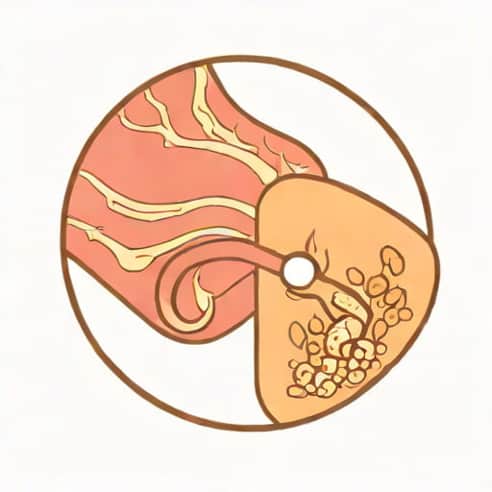
Ulcerative rectosigmoiditis without complications is a localized form of ulcerative colitis that primarily affects the rectum and sigmoid colon. This condition involves inflammation and ulceration of the innermost lining of the large intestine, causing symptoms such as diarrhea, rectal bleeding, and abdominal discomfort. Unlike more severe forms of ulcerative colitis, ulcerative rectosigmoiditis without complications does not involve systemic issues or severe structural damage, making early diagnosis and proper management critical. Understanding the causes, symptoms, diagnostic methods, and treatment options is essential for patients, caregivers, and healthcare providers to ensure effective management and maintain a good quality of life.
Understanding Ulcerative Rectosigmoiditis
Ulcerative rectosigmoiditis is a chronic inflammatory condition limited to the rectum and sigmoid colon, which are the distal parts of the large intestine. The disease is characterized by continuous inflammation starting from the rectum and extending proximally into the sigmoid colon. The inflammation is confined to the mucosal layer, which distinguishes it from more severe or extensive forms of ulcerative colitis. Patients with this condition may experience symptoms intermittently, with periods of flare-ups and remission.
Causes and Risk Factors
The exact cause of ulcerative rectosigmoiditis is not fully understood, but it is generally considered to result from an abnormal immune response that causes the immune system to attack the intestinal lining. Several factors may contribute to its development
- Genetic predisposition and family history of inflammatory bowel disease (IBD)
- Environmental triggers, such as diet, stress, and gut microbiota imbalance
- Immune system dysregulation leading to chronic inflammation
- Age and gender, with young adults being more commonly affected
- Smoking status, as it can influence the severity of ulcerative colitis
Symptoms of Ulcerative Rectosigmoiditis Without Complications
Symptoms of ulcerative rectosigmoiditis without complications can vary in severity but are often milder than those seen in extensive ulcerative colitis. Early recognition of symptoms can help prevent disease progression and reduce the risk of complications.
Common Symptoms
- Diarrhea, often with mucus or blood
- Frequent bowel movements, especially at night
- Abdominal cramping or discomfort in the lower abdomen
- Urgency to defecate, sometimes with a sense of incomplete evacuation
- Rectal bleeding, usually mild to moderate
- Fatigue due to chronic inflammation or mild anemia
Symptoms During Flare-Ups
During flare-ups, patients may notice increased frequency of diarrhea, more pronounced rectal bleeding, and heightened abdominal pain. However, since this form is without complications, systemic symptoms like fever, significant weight loss, or severe dehydration are uncommon.
Diagnosis
Accurate diagnosis of ulcerative rectosigmoiditis without complications requires a combination of clinical evaluation, laboratory tests, and imaging or endoscopic procedures. Early and precise diagnosis is key to initiating appropriate treatment and preventing progression to more severe disease.
Clinical Evaluation
Physicians begin with a detailed medical history and physical examination, assessing symptoms such as bowel habits, abdominal pain, and rectal bleeding. Family history of inflammatory bowel disease is also considered.
Laboratory Tests
- Complete blood count (CBC) to check for anemia or signs of inflammation
- C-reactive protein (CRP) and erythrocyte sedimentation rate (ESR) as markers of inflammation
- Stool tests to rule out infections and detect fecal calprotectin levels, which indicate intestinal inflammation
Endoscopic Examination
Colonoscopy or flexible sigmoidoscopy is essential for visualizing the rectum and sigmoid colon. The endoscopic procedure allows the physician to identify areas of inflammation and ulceration, obtain biopsies, and confirm the diagnosis. In uncomplicated cases, inflammation is limited to the mucosal layer without deep ulceration, strictures, or fistulas.
Treatment Options
Management of ulcerative rectosigmoiditis without complications focuses on reducing inflammation, controlling symptoms, and maintaining remission. Treatment strategies typically involve medications, lifestyle modifications, and regular monitoring.
Medications
- Aminosalicylates (5-ASA)These are the first-line treatment for mild to moderate disease, reducing inflammation and promoting mucosal healing. They can be administered orally or rectally in the form of suppositories or enemas.
- CorticosteroidsUsed short-term during flare-ups to rapidly reduce inflammation. They are generally avoided for long-term use due to side effects.
- ImmunomodulatorsMedications such as azathioprine or 6-mercaptopurine may be used in cases of frequent relapse to maintain remission.
- Biologic therapiesIn selected patients, biologics may be prescribed to target specific immune pathways, although this is less common in uncomplicated rectosigmoiditis.
Lifestyle and Dietary Modifications
While medication is central to treatment, lifestyle adjustments can significantly improve outcomes and reduce flare-ups. Patients are encouraged to
- Adopt a balanced diet that avoids foods triggering diarrhea or discomfort
- Stay hydrated to prevent mild dehydration associated with diarrhea
- Manage stress through mindfulness, exercise, or counseling
- Avoid smoking and limit alcohol consumption
- Maintain regular follow-up with a gastroenterologist to monitor disease activity
Monitoring and Follow-Up
Regular follow-up is critical in ulcerative rectosigmoiditis to ensure that the disease remains uncomplicated and does not progress. Physicians monitor symptoms, perform periodic blood tests, and schedule endoscopic evaluations when necessary. Early detection of changes in disease activity allows timely intervention and reduces the risk of developing complications such as strictures, severe bleeding, or extension of inflammation beyond the rectosigmoid region.
Importance of Long-Term Care
Even in uncomplicated cases, ulcerative rectosigmoiditis is a chronic condition requiring ongoing care. Long-term management aims to maintain remission, minimize flare-ups, and preserve quality of life. Patient education, adherence to medication, and healthy lifestyle practices are crucial components of effective long-term management.
Prognosis
Patients with ulcerative rectosigmoiditis without complications generally have a favorable prognosis. The localized nature of the disease and early intervention contribute to better symptom control and lower risk of severe complications. With proper management, most patients can lead normal, active lives. However, adherence to treatment and regular monitoring remain essential to prevent disease progression.
Ulcerative rectosigmoiditis without complications is a form of inflammatory bowel disease that is localized to the rectum and sigmoid colon. While it causes discomfort and affects daily life, early diagnosis, appropriate medical therapy, lifestyle modifications, and regular monitoring allow for effective management. Patients with this condition can maintain a high quality of life and avoid severe complications if they follow prescribed treatments and engage in proactive healthcare practices. Awareness of symptoms, causes, and treatment options empowers patients and caregivers to manage the condition successfully, highlighting the importance of education, adherence, and continuous medical support.