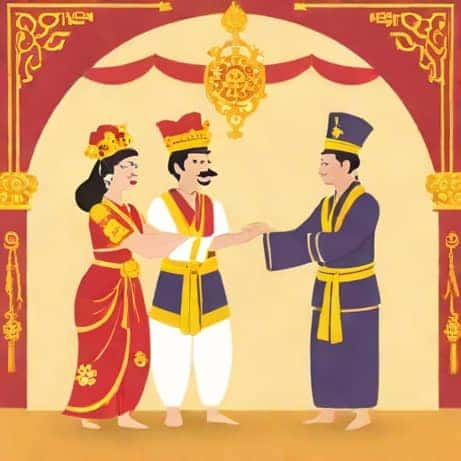
Kumintang is a traditional Filipino folk dance that holds a special place in the cultural heritage of the Philippines. Originally performed in the Southern Tagalog region, it is often associated with courtship and romance, making it an expressive and engaging dance form. The dance not only showcases graceful movements and rhythmic footwork but also conveys social interaction and cultural storytelling. Kumintang reflects the customs and traditions of the community, particularly in how young people used dance as a way to communicate feelings and intentions during courtship. Its performance involves intricate steps, coordinated gestures, and lively music that together create a vibrant atmosphere for social and romantic engagement.
Historical Background of Kumintang
Kumintang originated in the Southern Tagalog provinces of the Philippines, including Batangas, Cavite, and Laguna. It is believed to have developed during the pre-colonial and early colonial periods, reflecting both indigenous traditions and influences from Spanish colonization. Originally, Kumintang was a war dance performed by warriors to celebrate victories or prepare for battle. Over time, it evolved into a more social and ceremonial dance, especially associated with courtship. The transformation of Kumintang from a martial dance to a courtship dance illustrates the adaptability of cultural practices to different social contexts.
Transition to Courtship Dance
The shift from martial to courtship dance occurred as the community began using dance as a means of social interaction rather than preparation for war. Young men and women performed Kumintang in public gatherings, fiestas, and social events, using the dance to express interest, admiration, or affection. The dance allowed individuals to communicate nonverbally, creating opportunities for courtship in a culturally accepted setting. The fluidity of Kumintang movements mirrored the emotions of the dancers, making it both a symbolic and practical tool for romance.
Music and Rhythm of Kumintang
The music accompanying Kumintang is essential to its performance and meaning. Traditional Kumintang music is performed using local instruments such as the guitar, bandurria, and various percussion instruments. The rhythm is lively yet smooth, providing cues for dancers to execute their steps and gestures. The tempo and dynamics of the music reflect the emotions conveyed in the courtship process, ranging from playful teasing to graceful admiration. Musicians and dancers work together to create a harmonious performance that engages both participants and spectators.
Characteristics of Kumintang Music
- Fast and lively rhythms that encourage energetic footwork.
- Melodic lines that allow dancers to interpret gestures with expression.
- Use of indigenous instruments that create a distinct cultural sound.
- Flexible tempo to accommodate improvisation and interaction between dancers.
Dance Movements and Gestures
Kumintang is characterized by intricate footwork, graceful hand movements, and coordinated body posture. The dancers often perform in pairs, with young men and women interacting through gestures, steps, and eye contact. Movements are symbolic, representing flirtation, admiration, and mutual interest. Dancers may incorporate spins, bows, and playful gestures that enhance the narrative of courtship. Precision and timing are crucial, as Kumintang is both a display of skill and a means of communication.
Symbolism in Movements
- Approaching and retreating steps symbolize pursuit and caution in courtship.
- Hand gestures, such as offering or accepting, represent invitation and response.
- Spins and turns indicate excitement, playfulness, and engagement.
- Facial expressions and eye contact communicate emotions that words may not express.
Role of Kumintang in Social Life
Kumintang is more than just a dance; it is a social tool that strengthens community bonds. During fiestas, celebrations, and gatherings, Kumintang provides a structured way for young people to meet, interact, and engage in courtship within cultural norms. It serves as an avenue for socialization, allowing individuals to showcase talent, elegance, and personality. The communal aspect of Kumintang also reinforces cultural identity and preserves traditional values, ensuring that the dance continues to be a meaningful part of Filipino heritage.
Integration in Festivals and Fiestas
In traditional Filipino festivals, Kumintang is often performed alongside other folk dances. It is used to welcome guests, celebrate milestones, or mark important events. The performance is usually accompanied by vibrant costumes, colorful props, and enthusiastic audience participation. By integrating Kumintang into social festivities, communities maintain cultural continuity while allowing younger generations to learn and appreciate their heritage.
Educational and Cultural Significance
Kumintang has educational value as it teaches discipline, rhythm, and coordination while also imparting lessons about social interaction and courtship. Dance instructors emphasize the importance of etiquette, mutual respect, and awareness of cultural traditions. Schools and cultural organizations often include Kumintang in their curriculum or programs to promote Filipino culture and history. Through performance and practice, dancers gain a deeper understanding of traditional values and the historical significance of the dance.
Preservation of Kumintang
Preserving Kumintang is important for cultural heritage. Efforts include documentation of music and choreography, workshops, and community performances. Cultural organizations encourage younger generations to learn the dance, ensuring that its traditions continue. By performing Kumintang in modern contexts, communities bridge the gap between history and contemporary social life, making the dance relevant and accessible while retaining its traditional essence.
Kumintang, as a courtship dance, exemplifies the rich cultural traditions of the Philippines. Its history, music, and movements reflect both social and emotional dimensions of courtship, providing a structured and expressive way for young people to communicate attraction and interest. Beyond its function as a dance, Kumintang strengthens community ties, preserves cultural identity, and offers educational benefits. By understanding and appreciating Kumintang, we gain insight into the values, customs, and artistry of Filipino culture, highlighting the enduring significance of traditional dance in social and cultural life.