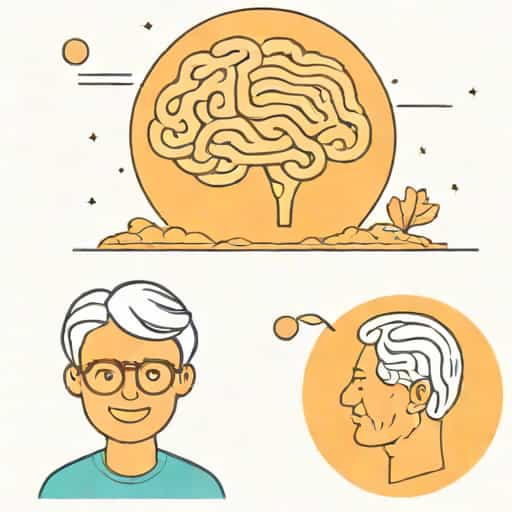
Dementia is a broad term used to describe a decline in cognitive function severe enough to interfere with daily life. Among the various forms of dementia, age of onset plays a crucial role in classification, leading to distinctions such as senile and presenile dementia. Understanding these differences is essential for accurate diagnosis, treatment planning, and caregiving strategies. Senile and presenile dementia may share similar cognitive symptoms, but they differ significantly in terms of age of onset, underlying causes, progression, and management approaches. This topic delves deeply into the differences between senile and presenile dementia, offering insights for both healthcare professionals and the general public.
What is Dementia?
Dementia is not a single disease but a syndrome characterized by a gradual decline in memory, reasoning, language, and other cognitive abilities. It affects daily functioning and quality of life. Common symptoms include forgetfulness, confusion, difficulty performing familiar tasks, and changes in personality. Dementia can be caused by various conditions, including Alzheimer’s disease, vascular issues, Lewy body disease, and frontotemporal degeneration. Age is one of the major factors used to classify dementia into senile and presenile categories.
Senile Dementia
Senile dementia is the form of dementia that typically occurs in older adults, usually after the age of 65. It is commonly associated with the natural aging process and age-related brain changes. Alzheimer’s disease is the most frequent cause of senile dementia, although vascular dementia and mixed dementias are also prevalent.
Causes of Senile Dementia
- Alzheimer’s disease, accounting for the majority of cases
- Vascular changes due to strokes or reduced blood flow to the brain
- Age-related neuronal degeneration and synaptic loss
- Other neurodegenerative diseases that manifest later in life
Symptoms of Senile Dementia
Symptoms often begin subtly and progress gradually over years. Common signs include
- Memory loss, particularly recent memories
- Difficulty in problem-solving and planning
- Disorientation in time and place
- Changes in mood and personality, including apathy or irritability
- Impaired language skills, such as trouble finding words
Management of Senile Dementia
Management focuses on slowing progression, enhancing quality of life, and supporting caregivers. Strategies include
- Medications like cholinesterase inhibitors and NMDA receptor antagonists
- Cognitive therapies to stimulate memory and reasoning skills
- Lifestyle interventions, including diet, exercise, and social engagement
- Support groups and counseling for patients and families
Presenile Dementia
Presenile dementia, also known as early-onset dementia, occurs in individuals younger than 65, sometimes even in their 40s or 50s. Although less common than senile dementia, presenile dementia poses unique challenges because it affects individuals who are often still working, raising families, and actively involved in society. Alzheimer’s disease is still a leading cause, but other neurodegenerative diseases such as frontotemporal dementia are more frequently observed in this age group.
Causes of Presenile Dementia
- Early-onset Alzheimer’s disease, often with a genetic component
- Frontotemporal dementia, affecting behavior and personality
- Vascular dementia, sometimes resulting from early strokes or cardiovascular conditions
- Rare metabolic or hereditary disorders affecting the brain
Symptoms of Presenile Dementia
Symptoms may appear more rapidly and can differ slightly from senile dementia. Common indicators include
- Memory impairment, especially in forming new memories
- Marked changes in behavior, judgment, and social conduct
- Difficulty managing work and finances
- Language disturbances, such as speaking less coherently or difficulty finding words
- Mood disturbances like depression, anxiety, or irritability
Management of Presenile Dementia
Because patients are younger, management strategies often need to focus on maintaining employment, family roles, and independence
- Pharmacological treatments similar to those for senile dementia
- Occupational therapy to maintain daily functioning
- Psychological support for both patients and families
- Workplace adjustments and legal planning for progressive disability
Key Differences Between Senile and Presenile Dementia
While both senile and presenile dementia share cognitive symptoms, several differences are notable
- Age of OnsetSenile dementia occurs after 65 years, whereas presenile dementia occurs before 65, sometimes as early as 40.
- CausesSenile dementia is often related to aging and Alzheimer’s disease, while presenile dementia may involve stronger genetic or hereditary components and conditions like frontotemporal dementia.
- ProgressionPresenile dementia may progress more rapidly and often affects behavioral and occupational aspects more prominently than senile dementia.
- Impact on LifePresenile dementia affects younger adults, impacting employment, family responsibilities, and social roles, whereas senile dementia generally affects older adults who may already be retired.
- Psychosocial ChallengesPresenile dementia presents unique emotional and financial challenges due to younger age, whereas senile dementia primarily requires eldercare and health maintenance.
Diagnosis Considerations
Diagnosis for both types involves clinical evaluation, cognitive testing, and neuroimaging. Family history plays a larger role in presenile dementia due to the likelihood of genetic contributions. Early diagnosis is critical for presenile cases to plan for work, family, and long-term care.
Importance of Differentiating Between the Two
Accurately distinguishing between senile and presenile dementia is essential for several reasons
- Tailoring treatment and intervention strategies to age and lifestyle
- Identifying potential hereditary risks for family members
- Planning for long-term care, legal, and financial considerations
- Providing appropriate psychosocial support for patients and caregivers
- Understanding prognosis and expected disease progression
Senile and presenile dementia are both forms of cognitive decline but differ significantly in age of onset, causes, progression, and psychosocial impact. Senile dementia generally affects older adults and is often related to age-associated Alzheimer’s disease, while presenile dementia occurs in younger individuals and may involve stronger genetic or hereditary components. Early recognition, accurate diagnosis, and age-appropriate management are critical to improving quality of life for both patients and their families. Understanding these differences helps healthcare providers develop effective treatment plans and enables caregivers to offer the right support. Ultimately, awareness of the distinctions between senile and presenile dementia contributes to better outcomes, improved care, and a deeper comprehension of how age and biology influence cognitive health.