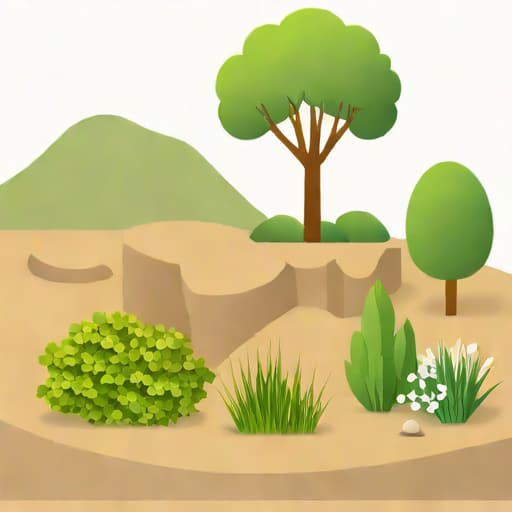
Creating a rockery garden can be a rewarding and visually striking addition to any outdoor space. A rockery garden combines rocks, stones, and plants to create a natural-looking landscape that is both low-maintenance and aesthetically pleasing. However, planting a rockery garden requires careful planning and consideration to ensure that the plants thrive and the garden maintains its beauty over time. Factors such as soil quality, drainage, sunlight, plant selection, and rock placement play a crucial role in the success of a rockery garden. Understanding these key considerations helps gardeners design a harmonious and sustainable garden that complements their outdoor space.
Site Selection and Sunlight
Choosing the right location for a rockery garden is one of the first steps in the planning process. The site should ideally receive the appropriate amount of sunlight based on the plants you intend to grow. Many rockery plants, such as alpine species and succulents, thrive in full sun, while others may require partial shade. Consider the existing conditions of your garden, including natural slopes, nearby structures, and trees that might cast shadows. Selecting a site with optimal sunlight ensures that your plants grow healthily and reduces the risk of disease caused by poor light conditions.
Topography and Slope
The topography of the site is also a critical factor. Rockery gardens often work best on slopes or uneven terrain because the rocks can be arranged to create natural drainage and visual interest. If your garden is flat, you can create raised mounds or terraces to mimic the natural contours of a mountainous landscape. Proper slope planning prevents water from pooling around plant roots, which can lead to rot and other problems.
Soil Quality and Drainage
Soil composition is another key consideration when planting a rockery garden. Most rockery plants prefer well-drained soil that does not retain excessive moisture. Sandy or gritty soil types are often ideal, as they allow water to flow freely and reduce the risk of root rot. If your garden soil is heavy clay or poorly draining, it may be necessary to amend it with sand, grit, or organic matter to improve drainage. Additionally, creating pockets of soil among the rocks provides an ideal environment for planting while maintaining the overall stability of the rockery.
Plant Selection
Choosing the right plants for your rockery garden is essential for both visual appeal and long-term success. Plants should be selected based on their adaptability to the local climate, sunlight requirements, and soil type. Popular rockery plants include alpine plants, succulents, ornamental grasses, and small perennials. Low-growing and spreading species work well to fill gaps between rocks, while taller plants can be placed strategically to add height and focal points. Grouping plants with similar water and light needs simplifies maintenance and ensures that each plant thrives.
Rock Placement and Arrangement
The arrangement of rocks is a defining feature of a rockery garden. Rocks should be placed to mimic natural landscapes, creating a sense of balance and visual interest. Larger rocks can serve as focal points, while smaller stones fill in gaps and create pathways or borders. Consider the texture, color, and shape of the rocks to complement the plants and enhance the overall aesthetic. Avoid placing rocks in a uniform pattern, as a natural, irregular layout tends to look more authentic and appealing.
Microclimates and Shelter
Rocks can create microclimates within your rockery garden. They absorb heat during the day and release it at night, providing warmth to nearby plants. Additionally, rocks can offer shelter from wind and extreme weather, protecting delicate species. When planting, consider the placement of each rock to take advantage of these microclimates, positioning heat-loving plants near sun-warmed rocks and placing more delicate species in sheltered crevices.
Watering and Maintenance
While rockery gardens are often considered low-maintenance, they still require regular attention, especially during establishment. Watering should be tailored to the needs of the plants you have chosen, with a focus on avoiding waterlogged soil. Mulching around the base of plants helps retain moisture without causing excess dampness. Periodic weeding, pruning, and removal of debris are necessary to maintain the garden’s appearance and health. Inspecting rocks for stability and adjusting them as needed also ensures safety and longevity.
Seasonal Considerations
Seasonal changes affect both the plants and rocks in a rockery garden. Some plants may die back in winter, while others flourish in different seasons. Planning for year-round interest involves choosing a mix of evergreen and seasonal plants, as well as considering flowering cycles and foliage color. Rocks can serve as visual anchors during seasons when plants are dormant, maintaining the garden’s structure and aesthetic appeal throughout the year.
Integration with Surrounding Landscape
A successful rockery garden complements the surrounding landscape rather than appearing isolated. Consider how the rockery interacts with lawns, paths, patios, or water features. Integrating the rockery with existing garden elements creates a cohesive look and enhances the overall design. Using plants that naturally transition into neighboring areas or selecting rocks that echo other features in your garden can create a harmonious and visually appealing outdoor space.
Wildlife and Ecosystem Support
Rockery gardens can also support local wildlife by providing habitats for insects, birds, and small mammals. Crevices between rocks offer shelter and nesting sites, while flowering plants attract pollinators such as bees and butterflies. Choosing native plants enhances biodiversity and reduces the need for chemical fertilizers and pesticides. Considering the ecological impact of your rockery garden ensures that it contributes positively to the surrounding environment.
Planting a rockery garden involves careful planning and attention to several key factors, including site selection, soil quality, plant choice, rock placement, and maintenance. Understanding how sunlight, drainage, topography, and microclimates affect plant health helps create a sustainable and visually appealing garden. Additionally, considering seasonal changes, integration with the surrounding landscape, and support for local wildlife adds depth and resilience to the rockery. By addressing these considerations thoughtfully, gardeners can design a rockery garden that is both beautiful and enduring, providing enjoyment and a natural touch to their outdoor spaces for years to come.