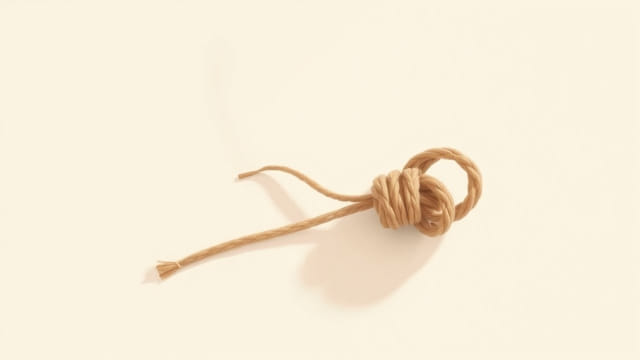
The ‘A Frayed Knot’ joke is a clever play on words that blends humor with a pun involving language, identity, and misunderstanding. Often told as a short anecdote or punny exchange, the joke has been shared around campfires, classrooms, and online forums for decades. It’s one of those classic, clean jokes that stick in people’s memories because of how it misleads the listener, only to flip expectations with a funny punchline. Understanding this joke gives insight into the way wordplay works in English and how language can be both fun and surprising.
What Is the A Frayed Knot Joke?
The structure of the A Frayed Knot joke typically follows a simple narrative. Here’s the most common version:
A rope walks into a bar and asks the bartender for a drink. The bartender says, We don’t serve ropes here. So the rope goes outside, ties himself in a knot, frays his ends, and walks back in. The bartender squints and says, Hey, aren’t you that rope who was just in here? The rope replies, I’m a frayed knot.
On the surface, it’s a silly story about a rope. But the punchline I’m a frayed knot sounds exactly like I’m afraid not, creating a humorous twist that relies entirely on the spoken word. This makes the joke especially funny when told aloud, as the double meaning gets lost in written form unless it’s explained.
Understanding the Wordplay
To appreciate the joke fully, you need to know what a frayed knot is. In literal terms, a frayed knot is a piece of rope that has been tied into a knot and has unraveling or worn-out ends. But when spoken, a frayed knot sounds like afraid not, a common English phrase used to deny something or say no gently.
This homophonic pun words that sound the same but have different meanings or spellings is at the heart of the joke. It tricks the listener into hearing a familiar phrase, only to realize that the speaker is actually referring to something else entirely.
Why the A Frayed Knot Joke Is So Memorable
Many jokes are quickly forgotten, but this one tends to stick. Here’s why:
- It’s a pun: Wordplay makes jokes more intelligent and enjoyable for language lovers.
- It has a visual component: You can picture the rope tying itself and fraying its ends, adding a cartoonish charm.
- It’s clean humor: Safe for all ages and settings, making it great for teachers, parents, and public speakers.
- It builds tension: The mini-story draws listeners in before flipping expectations.
The Psychology Behind the Humor
Jokes like A Frayed Knot work well because they engage our brains. We expect one outcome, then get surprised with a different interpretation. This incongruity expecting afraid not and getting a frayed knot creates a moment of confusion followed by laughter. The brain enjoys solving puzzles, and wordplay gives us that little mental twist that feels satisfying once the joke clicks.
How to Tell the Joke Effectively
Timing and tone matter when telling the A Frayed Knot joke. To make it land well, consider these tips:
- Build the narrative slowly: Add pauses for dramatic effect, especially before the punchline.
- Emphasize the transformation: Describe the rope fraying its ends and tying itself in a knot to help listeners visualize the setup.
- Deliver the punchline confidently: Say I’m a frayed knot clearly but naturally, letting the audience connect the pun themselves.
If done right, this classic pun will earn laughs, groans, or at least a smile of appreciation.
Variations and Adaptations
While the original A Frayed Knot joke is the most recognized, variations have emerged over time. Some people tweak the story to add extra flair or context, such as:
- The rope wearing a disguise, like a mustache or a hat.
- The bartender using more elaborate suspicion, like questioning the rope’s ID.
- Other ropes joining the story for a pun-filled group exchange.
These adaptations keep the joke fresh while maintaining the pun as the core element. The more creative the delivery, the more entertaining the joke can be, especially for an audience already familiar with the classic version.
Using the Joke in Everyday Conversation
One of the reasons the A Frayed Knot joke remains popular is its versatility. It can be slipped into a conversation as a light icebreaker, told to kids for a giggle, or used in writing to illustrate wordplay. Teachers, especially in English or creative writing, might use it to teach students about homophones and puns. It’s also a fun inclusion in toasts, speeches, or social media posts when you want to add a dash of humor.
Why Kids Love It
Children are particularly fond of jokes that feature talking objects or animals, and the idea of a rope with emotions and goals fits right in. The wordplay helps kids think about how language works, and the absurdity of a rope walking into a bar adds a touch of silliness they enjoy. For parents and teachers, it’s a great tool to teach linguistic concepts in a memorable and amusing way.
The Joke’s Place in Pop Culture
While not part of mainstream television or movies, the A Frayed Knot joke has gained recognition in internet culture, dad-joke compilations, and pun-themed books. It’s often cited in lists of best puns or classic clean jokes, and it’s become a favorite among those who enjoy playing with the English language.
It also appeals to fans of corny humor, making it a common inclusion in comedy sets that focus on wordplay. Some comedians even use it to highlight the cleverness or groan-worthiness of puns in general.
A Joke That Ties It All Together
The A Frayed Knot joke continues to entertain because it’s simple, clever, and rooted in language. Its longevity is a testament to the power of puns and the universal appeal of a well-told story. Whether you’re a lover of dad jokes, a language enthusiast, or just someone who enjoys a good laugh, this joke offers a lighthearted moment that never truly unravels. It’s a reminder that humor doesn’t need to be loud or crude it just needs to be well-timed and a little bit twisted.