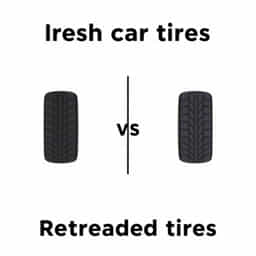
Choosing between new tyres and retread tyres is a decision that vehicle owners especially those in commercial transportation face regularly. This choice impacts not only safety and performance but also long-term cost, environmental responsibility, and operational efficiency. Understanding the key differences between new tyres and retread tyres helps drivers and fleet managers make informed decisions. Both options have unique advantages and drawbacks depending on usage type, budget, and sustainability goals. The debate between new tyres vs retread is more relevant than ever in 2024, with rising fuel prices, changing regulations, and growing awareness of eco-friendly solutions.
What Are Retread Tyres?
The Process of Tyre Retreading
Retread tyres are used tyres that have gone through a process to replace the worn-out tread with a new layer of rubber. This is done while keeping the original casing intact, provided it’s still structurally sound. The process includes inspection, buffing, bonding new tread material, and curing the tyre in a specialized press. Retread technology has advanced significantly, making modern retread tyres more reliable than older versions.
Common Applications
Retread tyres are most commonly used in:
- Commercial truck fleets
- Public transport buses
- Aircraft (in some cases)
- Off-road and agricultural vehicles
These sectors benefit from the cost-effectiveness of retreads without compromising on performance in specific conditions.
Benefits of New Tyres
Factory-Fresh Quality
New tyres offer a complete, untouched construction, straight from the manufacturer. This means the tyre has not been subject to previous stress or degradation, making it a preferred option for personal vehicles, high-speed travel, and heavy-duty performance.
Advanced Technology Integration
Many new tyres incorporate the latest advancements in rubber compounds, tread patterns, and sidewall technology. These features often translate into better grip, reduced road noise, improved fuel efficiency, and enhanced ride comfort.
Warranty and Assurance
When you purchase new tyres, you typically receive full manufacturer warranties. This provides peace of mind for drivers who value coverage for defects or premature wear. New tyres also have predictable wear patterns and lifespan, aiding in maintenance planning.
Advantages of Retread Tyres
Cost-Effectiveness
One of the most compelling reasons to choose retread tyres is their lower cost often 30-50% less than a new tyre. For fleet operators managing dozens or hundreds of vehicles, this represents significant savings over time without drastically sacrificing performance when used appropriately.
Environmental Sustainability
Retreading tyres helps reduce environmental waste. Every retread tyre keeps one tyre casing out of landfills and reduces the need for raw materials such as rubber and steel. The carbon footprint of a retread is also much lower compared to the manufacturing of a new tyre.
Regulatory and Safety Compliance
Modern retread facilities operate under strict industry guidelines and safety regulations. In many regions, retreaded tyres are certified to meet safety standards similar to new tyres, especially for commercial use. Technology used in inspection such as shearography and x-ray ensures quality and safety.
Performance Comparison
Tread Life and Durability
New tyres typically offer longer tread life compared to retreads. However, high-quality retread tyres can deliver comparable mileage when properly maintained and used within the right context. The durability of retreads depends on the condition of the original casing and the quality of the retread process.
Safety Under Stress
In high-speed and heavy-load applications, new tyres are generally more reliable due to their fresh construction. Retread tyres are safe when used on rear axles or in lower-speed environments, such as local deliveries or off-road scenarios. Using retreads on steering axles is often discouraged due to safety considerations.
Weather and Terrain Adaptability
New tyres offer better adaptability to extreme weather conditions. They are engineered for performance in rain, snow, and heat, which is important for passenger vehicles and long-haul trucks. Retread tyres can be tailored to specific tread designs but may not match the advanced performance of new tyres in challenging environments.
When to Choose New Tyres
Opting for new tyres is ideal if you:
- Drive in high-speed conditions or across long distances regularly
- Need optimal performance during severe weather seasons
- Operate a vehicle carrying high-value cargo or passengers
- Require tyres for steering axles or front wheels
- Prefer warranties and manufacturer support
New tyres are especially recommended for private car owners, long-haul trucking operations, and vehicles with performance or safety-critical applications.
When Retread Tyres Make Sense
Retread tyres are a smart option if you:
- Operate within a fixed route or local delivery network
- Manage a large commercial or municipal fleet
- Want to reduce costs without significantly affecting performance
- Prioritize sustainability and waste reduction
- Use tyres primarily on rear or non-steering axles
Fleet managers who monitor tyre wear and rotate tyres regularly often benefit most from retread programmes.
Economic and Environmental Considerations
Total Cost of Ownership
While new tyres may last longer, the total cost of ownership for retread tyres is often lower. This is especially true when casings are reused multiple times. With good casing management, one tyre casing can be retreaded two or even three times before it is finally discarded.
Reducing Tyre Waste
Tyres are among the most difficult materials to decompose in landfills. By extending the life of existing casings, retread programmes reduce the number of tyres discarded annually. This significantly contributes to sustainability goals in industries with large vehicle operations.
In the debate of new tyres vs retread, there is no one-size-fits-all answer. The best choice depends on your specific driving needs, performance expectations, and budget constraints. New tyres provide unmatched performance, durability, and assurance, while retread tyres offer major cost savings and environmental benefits. In 2024, with both quality and sustainability taking center stage, the gap between the two options has narrowed considerably. Whether you prioritize safety, efficiency, or eco-consciousness, understanding the trade-offs helps you make the best tyre decision for your vehicle or fleet.