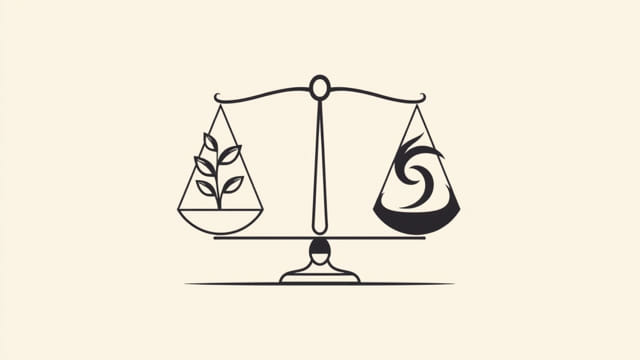
In everyday English, the expression boon or bane appears in discussions where the speaker is weighing the pros and cons of something. Whether it is about technology, social media, science, globalization, or even lifestyle choices, people often question whether a certain development is a ‘boon or bane.’ The phrase reflects the dual nature of many aspects of life. On one side, something may bring benefit and improvement; on the other, it may cause harm or unintended consequences. Understanding the meaning of boon or bane allows for deeper thinking about how we evaluate the world around us.
Understanding the Phrase: Boon or Bane
Definition of Boon
The wordboonrefers to something that is helpful, beneficial, or a blessing. It originates from the Middle English word bone, meaning request or favor. In modern usage, a boon typically implies a positive advantage or a welcome addition to life. For example, Access to clean water is a boon to rural communities.
Definition of Bane
The termbanehas a much darker tone. It refers to something that causes distress, ruin, or harm. The word has Old English origins, where bana meant slayer or killer. Today, we often hear it in phrases like the bane of my existence, which implies a source of constant annoyance or suffering.
Combined Meaning
When these two contrasting words are put together as boon or bane, the phrase becomes a rhetorical device used to provoke thought. It invites a discussion about whether something brings benefits or causes harm. It reflects the complexity of issues where there is no clear black or white answer.
Common Usage in Context
Technology: Boon or Bane?
This is perhaps one of the most frequent topics where the phrase is used. With the rapid advancement of technology, people often ask whether it is a boon or bane. On the one hand, technology connects the world, improves communication, enhances education, and makes life more convenient. On the other hand, it has led to privacy concerns, job displacement through automation, and increased screen addiction among youth.
Social Media: A Modern Dilemma
Social media platforms like Facebook, Instagram, and TikTok have revolutionized how people communicate. For many, social media is a boon it helps maintain relationships, discover news, and express oneself creatively. Yet for others, it is a bane, linked to anxiety, misinformation, cyberbullying, and social comparison. Thus, this is another area where the phrase is commonly applied.
Globalization and Its Dual Sides
Globalization is often discussed in terms of whether it is a boon or bane. It creates economic opportunities, cultural exchange, and easier access to goods. At the same time, it can lead to job losses in some sectors, cultural homogenization, and exploitation of labor. The expression is used to evaluate whether globalization truly benefits all or creates new inequalities.
Philosophical and Literary Value
A Tool for Critical Thinking
Boon or bane is not just a linguistic expression; it is a lens through which we can analyze many concepts. In debates, essays, and philosophical inquiries, this phrase encourages people to explore multiple sides of a topic before forming conclusions.
Examples in Literature and Essays
Writers and scholars often use the term to frame arguments. A common essay prompt in academic settings might be: Is Artificial Intelligence a boon or bane for humanity? This style of questioning pushes students to develop balanced viewpoints and understand nuanced issues.
Examples of Boon or Bane in Various Fields
- Medical Advancements: The invention of new drugs and surgical techniques can be life-saving (boon), but overreliance on antibiotics or expensive procedures can have side effects or become inaccessible to many (bane).
- Online Learning: E-learning platforms provide flexibility and global access (boon), but also reduce interpersonal interaction and sometimes result in poor learning outcomes (bane).
- Urbanization: Growth of cities brings infrastructure, jobs, and economic development (boon), but also leads to traffic congestion, pollution, and slum development (bane).
- Artificial Intelligence: AI improves efficiency and productivity (boon), but raises ethical concerns, data privacy issues, and job losses (bane).
How to Determine If Something Is a Boon or Bane
Factors to Consider
To decide whether something is a boon or bane, several factors must be examined:
- Short-term vs. long-term impact: Some things may seem beneficial at first but cause harm later, or vice versa.
- Context: Something that is a boon in one situation may be a bane in another. For example, social media might be a boon for marketing professionals but a bane for students who are distracted by it.
- Perspective: Different stakeholders experience impacts differently. A policy may be a boon for corporations but a bane for the environment.
Balance and Moderation
Often, it is not the thing itself that is inherently good or bad, but how it is used. The key lies in responsible use, ethical implementation, and thoughtful regulation. Many developments in science, technology, and society require balance to ensure they remain a boon rather than turn into a bane.
Why This Phrase Remains Relevant
Timeless Nature of the Expression
The phrase boon or bane continues to hold relevance because human progress is always accompanied by trade-offs. It encourages people to move beyond binary thinking and adopt a more nuanced view of changes around them. This mindset is especially important in a world that is constantly evolving.
Used Across Generations and Cultures
From classroom discussions to political debates, and from literature to casual conversation, the phrase boon or bane finds usage across all walks of life. Its adaptability makes it a powerful expression to summarize complex arguments in just three words.
Understanding the phrase boon or bane goes beyond vocabulary it is about perspective, balance, and evaluation. Whether in the context of new technologies, social changes, or personal experiences, this expression allows for deeper insight into the mixed effects of progress. In most cases, few things are entirely good or completely bad. The world is complex, and recognizing both the positive and negative aspects of an issue is essential to making informed decisions. By considering whether something is a boon or a bane, we engage in critical thinking that ultimately leads to better judgment and wiser actions.