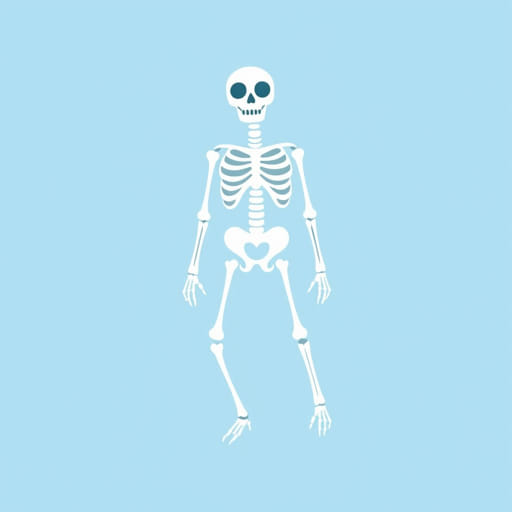
Creating a Q-tip skeleton craft is an enjoyable, hands-on activity that’s perfect for kids, parents, and teachers alike. This simple project uses basic supplies to create a spooky yet fun decoration, often used during Halloween or for anatomy learning. Not only is it budget-friendly and educational, but it also encourages creativity and fine motor skills. Whether you’re looking for a classroom activity, a weekend project, or something crafty for a rainy day, this skeleton made from cotton swabs is a playful and engaging solution that can suit all ages with minimal mess.
Materials You’ll Need
Basic Craft Supplies
One of the great things about making a Q-tip skeleton craft is how few supplies you need. Most items can be found around the house or easily picked up from any craft or dollar store. Here is a list of essential materials:
- Q-tips (cotton swabs)
- Black construction paper or cardstock
- Scissors
- White glue or glue stick
- Googly eyes (optional, for a fun effect)
- White crayon or chalk (for labeling or drawing extras)
- A printed or hand-drawn skull (if desired)
You can personalize the skeleton using additional craft items like glitter, stickers, or colored markers, but the basic version only needs the items above.
Step-by-Step Instructions
1. Prepare Your Work Area
Start by gathering all materials and covering your workspace with newspaper or a protective sheet. This helps avoid glue spills and makes cleanup easier, especially when working with younger children.
2. Cut the Q-tips
Use scissors to cut Q-tips into various lengths. You’ll need full-length Q-tips for arms and legs, and smaller pieces for ribs, hands, feet, and joints. Try to prepare the following:
- 4 full Q-tips (arms and legs)
- 6 half Q-tips (ribs)
- 2 short pieces (hips and neck)
- Several small segments for hands, feet, or fingers
Older kids can handle the cutting with safety scissors, while adults can assist younger children with the more precise cuts.
3. Arrange the Skeleton
On the black construction paper, start placing the Q-tips in the shape of a skeleton. Begin with the spine down the center, then add ribs branching out from the middle. Place full Q-tips diagonally for arms and legs. Attach smaller pieces for joints and hands. If you’re using a pre-drawn skull, glue it on top. Alternatively, you can draw a skull with a white crayon.
4. Glue Everything Down
Once you’re happy with the layout, carefully glue each piece onto the paper. Apply a thin line of glue to the back of each Q-tip and press it gently in place. Work section by section to avoid confusion or overlapping parts. Let the glue dry for at least 20 minutes before picking up or displaying your skeleton.
5. Add Final Touches
To make your Q-tip skeleton stand out, add googly eyes to the skull or draw a border with chalk. You can even write the names of bones if using this as an anatomy lesson. For younger kids, a smiley face on the skull makes the craft feel friendly rather than spooky.
Educational Benefits of This Craft
Learning Through Creativity
This project is not only entertaining but also educational. Teachers often use this activity in classrooms during October or when teaching basic anatomy. Children learn the names and positions of bones while engaging in hands-on construction. Here are a few learning points that can be incorporated:
- Understanding the skeletal system
- Learning bone names like femur, ribs, spine, and skull
- Developing hand-eye coordination and fine motor skills
- Practicing cutting and gluing techniques
- Following sequential instructions
Adaptable for Different Age Groups
One of the strengths of the Q-tip skeleton craft is how easily it can be adjusted for various age levels. Preschoolers can simply follow a visual layout, while older students can take on more detailed designs or label each part of the body. For high school students or more advanced learners, the craft can be expanded to show joints, bone structure, and even movement concepts.
Fun Variations to Try
Make a Dancing Skeleton
Attach arms and legs with paper fasteners (brads) to make your skeleton move. This makes the craft more interactive and allows children to pose their skeletons for fun displays or puppet shows.
Create a Skeleton Family
Instead of one large skeleton, make several smaller ones to represent a family. Use different Q-tip lengths to create parent and child figures. This can be a wonderful group activity or family bonding project at home.
Glow-in-the-Dark Skeleton
Use glow-in-the-dark glue or paint over the Q-tips to create a skeleton that glows in the dark. This is a great idea for Halloween decorations or nighttime fun. It adds an extra layer of excitement to an already engaging project.
Make a 3D Version
If you’re ready for a bigger challenge, consider creating a standing 3D skeleton using foam board as a base. Build the skeleton by inserting Q-tips into a base or using modeling clay to hold the parts upright.
Displaying Your Finished Craft
Once your Q-tip skeleton is dry, it’s time to show it off. Hang it on the wall, use it in a classroom display, or include it in a Halloween decoration set. Some creative ways to display include:
- Mount on a bulletin board with themed backgrounds
- Use string to hang it like a mobile
- Frame it in a craft frame for seasonal décor
- Attach to a stick and use as a puppet
These ideas turn a simple craft into a meaningful decorative piece that brings personality and learning into any space.
A Craft Worth Trying
The Q-tip skeleton craft is a fantastic example of how creativity, education, and fun can come together in a simple project. With basic materials and a clear process, anyone can create an impressive, unique skeleton. Whether it’s part of a classroom lesson, a Halloween party, or just a weekend activity, this craft brings a lot of value with minimal effort. It encourages young minds to explore art, understand anatomy, and enjoy the satisfaction of making something with their hands. Try it out, personalize it, and don’t be afraid to let your imagination run wild as you build your own version of a Q-tip skeleton.