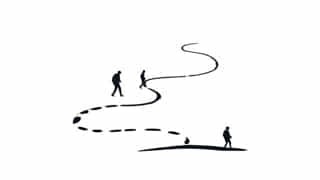
We’ve all been there following a lead or chasing a goal that ends up being fruitless, confusing, or simply a waste of time. This kind of experience is often described with the colorful idiom on a wild goose chase. While it may sound humorous or whimsical at first, this expression is commonly used in both casual and professional settings to convey frustration, misdirection, or the futility of a certain task. To understand the full depth of this phrase, let’s explore its meaning, origins, synonyms, and how it is used in modern communication.
Understanding the Meaning of On a Wild Goose Chase
The phrase on a wild goose chase refers to pursuing something that is difficult, if not impossible, to find or achieve. It implies that the person is engaging in a pointless or hopeless quest. The phrase is often used when someone is led astray by bad information or unrealistic expectations. It conveys a sense of wasted time, energy, and resources.
Breakdown of the Phrase
To better grasp the meaning, consider the components:
- Wild goose: Geese are known to fly erratically and unpredictably, making them difficult to catch or follow.
- Chase: The act of pursuing or running after something or someone.
Put together, it paints a vivid image of someone chasing a bird that cannot be caught easily, if at all. This image symbolizes the confusion and futility experienced in certain real-life situations.
Historical Origin of the Phrase
The phrase on a wild goose chase is believed to have originated from 16th-century England. It was originally a term used in horse racing. The expression described a kind of race in which horses followed a leader in a set pattern, similar to how geese might fly in formation. Over time, the meaning evolved to describe any erratic or purposeless pursuit.
William Shakespeare is credited with one of the earliest uses of this idiom in his playRomeo and Juliet, where Mercutio uses it metaphorically in conversation. From literature to modern speech, the phrase has maintained its association with futility and misdirection.
Common Contexts Where It Is Used
On a wild goose chase is used across many scenarios, ranging from lighthearted storytelling to serious criticism. Some examples include:
- Everyday Conversation: I went to four different stores looking for that rare comic book, but it turned out to be a wild goose chase.
- Workplace Situations: We spent an entire week researching a lead that turned out to be completely unreliable. It was a wild goose chase.
- Academic Context: The hypothesis led us on a wild goose chase until we found the correct theory.
It’s a versatile phrase that helps people express disappointment, especially after putting in effort that doesn’t pay off.
Synonyms and Similar Expressions
There are various other phrases and idioms that share a similar meaning to on a wild goose chase. These include:
- Fool’s errand– A task that has no hope of success.
- Chasing rainbows– Pursuing an impossible dream or goal.
- Barking up the wrong tree– Making the wrong assumption or following the wrong course.
- Dead end– A course of action that leads nowhere productive.
- Red herring– A distraction that misleads someone from the real issue.
While these expressions differ slightly in nuance, they all emphasize a lack of meaningful results.
Modern Usage and Relevance
Even in the digital age, where information is often at our fingertips, people still go on wild goose chases. For example:
- Searching online for facts based on false rumors can become a wild goose chase.
- Following a misleading tutorial that doesn’t work for your version of software.
- Going to a job interview only to find out the position doesn’t exist or has already been filled.
Despite technological advancements, the idiom remains as relevant as ever in describing experiences that lead to dead ends or disappointment.
Psychological and Emotional Impact
Being on a wild goose chase isn’t just an inconvenience it can also be emotionally draining. People who invest time and effort into a cause or goal naturally expect results. When those results never come, the sense of failure or frustration can be overwhelming. This idiom captures not just the futility of the action but also the emotional exhaustion that often follows.
How to Avoid Going on a Wild Goose Chase
To reduce the risk of wasting your time, consider the following tips:
- Verify informationbefore acting on it.
- Set realistic expectationsand evaluate the feasibility of your goal.
- Ask for clarificationif you’re unsure about a task or objective.
- Be aware of red flagsthat suggest something might be a distraction or a false lead.
Awareness and critical thinking are powerful tools in preventing unnecessary pursuits.
Idioms in Language and Culture
The richness of idioms like on a wild goose chase shows how language captures human experiences in creative ways. This phrase doesn’t just describe an action it encapsulates a feeling, a journey, and a lesson. It reflects how people often deal with uncertainty, trial and error, and learning from mistakes.
In literature, movies, and daily life, the idiom adds color and emotion to narratives. It’s also widely understood across English-speaking cultures, making it a valuable phrase for effective communication.
More Than Just a Funny Saying
On a wild goose chase is more than just a quirky idiom it’s a meaningful expression of human effort gone awry. Whether in relationships, careers, education, or personal adventures, people often find themselves chasing ideas, goals, or leads that turn out to be empty. Recognizing and reflecting on these moments helps individuals grow wiser and more cautious in the future.
The next time you hear or use the phrase on a wild goose chase, remember the imagery behind it and the wisdom it offers. It’s not just about getting lost it’s about learning where not to go again. In both language and life, this idiom stands as a reminder of how valuable our time and efforts truly are.