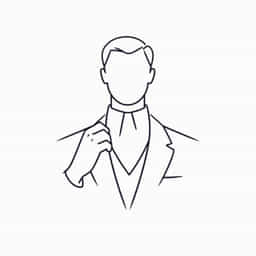
The cravat, a timeless neckwear accessory, is a piece that has stood the test of centuries in men’s fashion. Though not as commonly worn today as standard neckties or bow ties, the cravat retains its distinct charm and continues to appeal to those who appreciate classic, vintage, or dapper styles. Knowing when to wear a cravat is key to mastering this refined fashion element. It can elevate casual ensembles, distinguish formal outfits, or even serve as a statement piece during special occasions. Understanding the right context, setting, and pairing helps you wear a cravat with confidence and class.
Understanding the Cravat
What Is a Cravat?
A cravat is a wide strip of fabric worn around the neck, tucked into an open-collared shirt. Originating in the 17th century, the cravat is considered the ancestor of the modern necktie and bow tie. It can be made from silk, cotton, linen, or synthetic blends, often featuring intricate prints or patterns. Cravats are commonly worn under a waistcoat or blazer, offering an elegant alternative to more mainstream neckwear.
Types of Cravats
- Day cravat (Ascot): A more relaxed version worn casually or for daytime formal wear.
- Formal cravat: Typically tied in a structured knot, often worn at weddings or gala events.
When to Wear a Cravat
1. Formal Daytime Events
The most traditional occasion to wear a cravat is during formal daytime events. Cravats, especially ascots, add a refined touch to suits and morning coats. These events may include:
- Weddings (particularly as a groom or groomsman)
- Daytime races like Royal Ascot
- Garden parties
- Christenings or formal religious services
A silk cravat tucked under a tailored vest or waistcoat brings a classic sophistication ideal for such events.
2. Vintage-Themed Parties or Reenactments
Cravats are perfect for themed gatherings that call for historical or vintage fashion. From 1920s Gatsby parties to Victorian-era reenactments, a cravat adds authenticity to your outfit. In such settings, you can go all out with bold patterns, antique brooches, and detailed folds.
3. Weddings and Celebrations
For many grooms, the cravat has become a popular alternative to the tie or bow tie, especially when the wedding has a vintage or formal dress code. Matching the cravat to the color scheme of the event helps create a cohesive, polished look. It also distinguishes the groom from guests wearing regular ties.
4. Sophisticated Casual Outings
You don’t have to reserve a cravat solely for grand events. A day cravat can be worn with an open-collar shirt and blazer for a smart-casual dinner, a theater outing, or an art gallery visit. It conveys personality and thoughtfulness in appearance without being overdressed.
5. Business and Creative Professional Settings
In certain professional environments especially within fashion, the arts, or design wearing a cravat can reflect individual flair. While it may be too extravagant for a traditional corporate office, it’s perfectly acceptable in settings where creativity and uniqueness are encouraged.
What to Wear with a Cravat
Shirts
Cravats pair well with collared shirts, ideally with a cutaway or wide spread collar. Avoid button-down collars, as they clash with the flowing nature of a cravat. Opt for solid colors or subtle patterns that allow the cravat to stand out.
Jackets and Waistcoats
- Blazers: Cravats look elegant under an unbuttoned blazer for a balanced semi-formal style.
- Waistcoats: Wearing a waistcoat over a cravat is a traditional and refined look that adds layering and visual interest.
- Morning coats: Often seen at weddings or races, morning coats and cravats make a quintessential British ensemble.
Accessories
Enhance your cravat with tasteful accessories:
- Pocket squares matching or complementing your cravat
- Cufflinks for an elevated look
- Cravat pins or brooches for added detail and to hold the cravat in place
Tips for Styling a Cravat
Choosing the Right Fabric
For daytime or casual use, opt for lightweight cotton or linen cravats. Silk cravats are better suited to evening or formal settings due to their glossy finish and rich feel. Heavier fabrics work well during colder seasons, offering both style and warmth.
Pattern and Color
Let the cravat be the focal point of your outfit. If your suit is patterned, choose a solid-colored cravat. If your outfit is more neutral, feel free to go bold with paisley, polka dots, or floral prints. Match the color tone to the overall theme of the event or your personal palette.
Proper Tying Techniques
The way you tie your cravat affects how formal or casual it appears. Some common knots include:
- Ascot knot: A formal, flat knot best suited for weddings and high-end events
- Day cravat style: Looser, tucked-in folds that exude relaxed elegance
Ensure that the cravat sits comfortably and naturally without appearing too tight or stiff.
Confidence is Key
A cravat is not a common modern-day accessory, so wearing one may attract attention. Embrace this with confidence and pride. Good posture and a self-assured attitude will make your cravat appear even more natural and stylish.
When to Avoid a Cravat
Strict Corporate Environments
Unless your workplace is notably creative or informal, cravats may be too unconventional for corporate offices. In such settings, traditional ties are often expected and viewed as more professional.
Highly Casual Settings
Wearing a cravat to casual outings like picnics, sporting events, or beach gatherings may feel out of place. In such scenarios, opt for more laid-back attire unless the event has a specific dress code that calls for stylish neckwear.
Cravat Etiquette and Cultural Nuance
European Influence
In parts of Europe, especially in France and England, the cravat still enjoys respect as a symbol of elegance. Understanding its origins can help you appreciate its use in various cultural ceremonies or traditions.
Modern Resurgence
Thanks to the rise of vintage fashion and social media fashion influencers, the cravat is experiencing a resurgence. It appears more often at music festivals, vintage markets, and in editorial fashion.
Wearing a cravat is a stylish and distinguished way to express individuality, heritage, or elegance. While not as mainstream as other neckwear, the cravat provides a unique fashion statement for those who want to stand out. Whether at a formal wedding, vintage party, or artistic event, knowing when to wear a cravat helps you strike the right balance between sophistication and self-expression. With the right styling, confidence, and awareness of context, the cravat remains a timeless accessory that adds flair and refinement to any gentleman’s wardrobe.