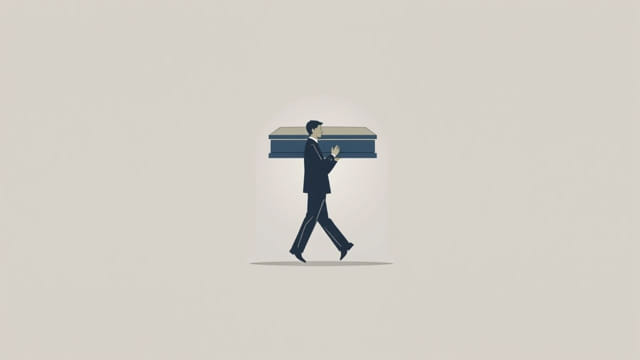
In the United Kingdom, being a pallbearer carries deep emotional significance and cultural tradition. It is a role that symbolizes respect, support, and farewell. Often, those chosen to be pallbearers are close friends or family members of the deceased, entrusted with the solemn duty of carrying the coffin during a funeral procession. This act is both physical and symbolic offering one final act of service and love. Many people may feel honoured but also uncertain about what the role entails, especially when navigating grief and unfamiliar ceremony protocols.
The Role of a Pallbearer
A pallbearer is a person who helps carry or escort a coffin at a funeral. In the UK, the role may involve lifting and carrying the coffin from the hearse into the church, crematorium, or burial site. Sometimes, especially in indoor settings or when using a trolley, pallbearers may simply walk alongside the coffin, providing a symbolic presence rather than performing a manual task.
This duty is traditionally shared by six individuals, although it can vary depending on the weight of the coffin, the number of participants, and the layout of the venue. Serving as a pallbearer is a mark of esteem and is often viewed as an important honour in British funeral customs.
Types of Pallbearers
There are generally two types of pallbearers in UK funerals:
- Active pallbearers: These are the individuals who physically carry the coffin. This role requires coordination, strength, and a calm presence.
- Honorary pallbearers: In some cases, people are named honorary pallbearers as a sign of respect without being required to carry the coffin themselves.
Funeral directors often provide guidance and assistance to ensure pallbearers understand their responsibilities and feel comfortable in their role.
Choosing Pallbearers in the UK
The selection of pallbearers is usually a decision made by the immediate family or outlined in the funeral plan. People chosen are typically close friends, siblings, children, or trusted colleagues of the deceased. It is important to consider both emotional and physical readiness when selecting pallbearers. Not everyone feels confident or capable of taking on this responsibility, and it’s entirely acceptable for someone to decline respectfully if they feel overwhelmed.
In some UK funerals, especially where no one is able or willing to serve as a pallbearer, professional pallbearers from the funeral service may be used. These individuals are trained to handle the coffin with dignity and care, ensuring that the ceremony proceeds smoothly.
Etiquette and What to Expect
Being a pallbearer in the UK involves more than just carrying a coffin. It is a role steeped in ceremony and sensitivity. Here are some common expectations and etiquette guidelines:
- Dress appropriately: A dark suit, white shirt, and conservative tie are the usual standard for men. Women may wear dark, modest clothing. Comfortable, closed-toe shoes are advisable due to walking and lifting duties.
- Arrive early: Pallbearers should arrive at the venue ahead of time, typically 30-45 minutes early, to receive instructions from the funeral director.
- Listen carefully: The funeral director will explain the order of the procession, where to stand, and how to lift the coffin safely and respectfully.
- Walk slowly and steadily: The pace of the procession is usually slow, reflecting the tone of mourning and respect.
- Maintain composure: Emotional moments are expected, but try to stay composed to fulfil the task safely and with dignity.
Carrying the Coffin
In British funerals, the coffin is usually carried on the shoulders, though it can also be carried at waist level depending on the context and the wishes of the family. Shoulder carrying is more traditional and often used in religious ceremonies. It requires coordination and is typically practiced briefly before the procession begins.
Pallbearers are often paired across from one another, lifting the coffin in unison. The funeral director or team member will supervise and cue movements. It’s important to lift with the knees and avoid sudden or uneven movements. Teamwork and calmness are key.
Symbolic Meaning
The act of carrying the coffin symbolises bearing the weight of grief and helping the deceased on their final journey. It is a silent, powerful gesture of love and loyalty. For many, being a pallbearer brings a sense of closure and personal involvement in the funeral process. It allows for a moment of stillness and focus amid the broader experience of loss.
Cultural and Religious Variations
In the UK, customs surrounding pallbearers may vary slightly depending on cultural background and religious tradition. For example:
- Christian funerals: Pallbearers usually carry the coffin into the church and again to the gravesite or hearse. Hymns may be sung as the coffin enters.
- Jewish funerals: In Orthodox tradition, pallbearers walk the coffin to the burial site with great care, often with pauses to reflect on the loss.
- Muslim funerals: The body is usually wrapped in a shroud rather than placed in a coffin, and male family members carry the body to the burial location, accompanied by prayer and ritual.
Regardless of the variation, the pallbearer’s role remains essential in expressing communal respect and support during the mourning process.
Emotional Impact of Being a Pallbearer
Serving as a pallbearer can be a deeply moving experience. Many people describe it as a moment that stays with them long after the funeral. The closeness to the coffin, the shared sense of duty with other pallbearers, and the solemn atmosphere create a powerful emotional connection. It’s natural to feel a mix of pride, sadness, and even anxiety before taking on the role.
For some, the role helps them process their grief. It becomes a way of actively participating in the goodbye, rather than sitting as a passive observer. It also strengthens bonds with other mourners, especially when the group of pallbearers includes close friends or family members.
Support and Guidance from Funeral Directors
Funeral directors in the UK are experienced in guiding pallbearers through their responsibilities. They provide reassurance, safety advice, and ceremonial structure. If you’re asked to be a pallbearer and feel unsure, don’t hesitate to ask questions or request a short walkthrough beforehand. The team will be more than willing to help you feel prepared and confident in your role.
Being a pallbearer in the UK is both an honour and a responsibility. It is a meaningful way to say goodbye, offering comfort and solidarity to grieving families. From the moment you lift the coffin to the final steps of the procession, you are participating in a sacred tradition that brings dignity to the life being remembered. While the emotional weight of the task can be heavy, it is often balanced by a deep sense of fulfilment. Whether carrying the coffin or walking beside it, your presence matters it is a final act of love, respect, and humanity.