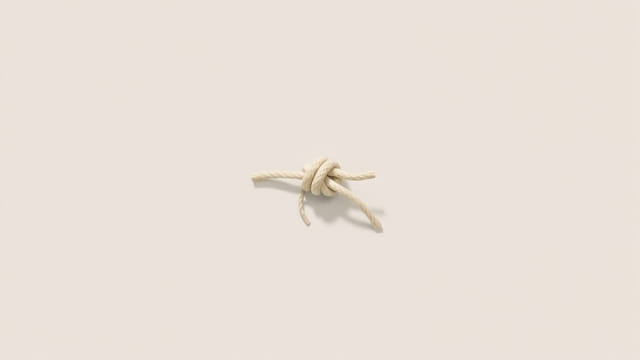
In the world of language and humor, certain expressions stand out for their playfulness and double meanings. One such phrase is a frayed knot. At first glance, it may seem to describe a simple physical object perhaps a worn-out piece of rope. However, this phrase holds more than just a literal meaning. It is often used as part of a pun, especially in jokes and witty conversations. Understanding the full significance of a frayed knot means looking at both its literal and figurative uses, and how it has become a small but memorable example of English wordplay.
Literal Meaning of ‘A Frayed Knot’
To begin with, let’s explore the literal definition. The phrase a frayed knot refers to a knot that is unraveling or becoming worn. The word frayed describes something that is becoming loose at the ends, especially fabric or rope. When a rope becomes frayed, the fibers begin to separate, and the knot tied in it may start to weaken or come apart.
In nautical or camping contexts, a frayed knot can be a serious concern. It may indicate that the rope is not secure or strong enough to hold tension. If you rely on a rope for climbing or mooring a boat, a frayed knot could pose a safety hazard. Therefore, in its most direct sense, a frayed knot is an expression that describes a deteriorated, unreliable piece of rope that has lost its strength.
Figurative and Pun-Related Meaning
More interestingly, a frayed knot has taken on a humorous role in English-speaking cultures. It is most famously used in a pun or joke. The joke typically goes like this:
A piece of string walks into a bar and orders a drink. The bartender says, We don’t serve string here.’ The string leaves, ties himself in a knot, and frays his ends. He walks back in. The bartender asks, Aren’t you that piece of string?’ The string replies, I’m a frayed knot.’
This joke plays on the similarity in sound between I’m afraid not and I’m a frayed knot. It is a form of homophonic wordplay, where two phrases sound nearly identical but have completely different meanings. In this case:
- I’m afraid not– a common English expression meaning no.
- I’m a frayed knot– literally a worn-out piece of string tied in a knot.
The humor lies in the unexpected twist and the creative use of language. This type of joke is particularly popular with children and language enthusiasts, because it showcases how English can be manipulated in clever and surprising ways.
Linguistic Appeal of the Phrase
The phrase a frayed knot is a great example of a pun that works well in spoken language due to its phonetic ambiguity. English is full of homophones words that sound alike but have different meanings and spellings. This is one reason English is both rich in wordplay and sometimes confusing for language learners.
In this pun, the difference between afraid and a frayed is not clear when spoken aloud. This gives the joke its punch, as the listener expects one meaning but is delivered another. The humor relies on timing, pronunciation, and the setup provided in the joke’s narrative.
Uses in Pop Culture and Writing
Because of its humorous and clever nature, the phrase a frayed knot has appeared in various forms of pop culture, including greeting cards, comic strips, and even T-shirt slogans. It appeals to people who enjoy puns and plays on words. In written form, it may lose some of its effect since the pun is more powerful when spoken aloud.
Writers sometimes use the phrase deliberately to inject humor into their work, especially in dialogue or children’s stories. Its simplicity and playfulness make it an easy way to create a memorable moment for readers or listeners.
Educational Value and Language Learning
In language education, jokes like the a frayed knot pun can be useful tools. They help students recognize the nuances of pronunciation and how different spellings and meanings can create entirely new interpretations. Such jokes also make learning more fun and engaging, breaking the monotony of textbook examples with something students can laugh at and remember.
Moreover, using examples like this helps learners build awareness of how tone and context affect understanding. Being able to identify and interpret puns is a sign of linguistic fluency and cultural familiarity.
Why It Sticks in Memory
One reason this pun remains popular is that it is simple, visual, and clever. The idea of a piece of string pretending not to be a string is absurd and imaginative. Children and adults alike can picture the scene, which makes it more likely to be remembered. In storytelling, memory is enhanced by surprise and humor two things this joke provides.
The expression a frayed knot has also become a short-hand reference to the joke itself. People who are familiar with the joke may simply say the phrase to each other as an inside reference, knowing that others will understand the meaning and laugh along.
Other Similar Wordplays
If you enjoy the pun in a frayed knot, there are many other similar wordplays that follow the same pattern. Here are a few examples:
- Time flies like an arrow. Fruit flies like a banana.– Playing on the double meaning of flies.
- Two antennas met on a roof, fell in love, and got married. The ceremony wasn’t much, but the reception was excellent.– A pun on reception (wedding and signal).
- I used to be a banker but I lost interest.– A joke on the word interest.
These puns work in a similar way to a frayed knot, using sound and meaning to create surprise and amusement.
the phrase a frayed knot offers both a literal meaning related to a damaged rope and a figurative use in humorous language. It is best known as a pun that sounds like I’m afraid not, delivering a clever and unexpected twist in conversation. This simple phrase shows how English allows for flexible and playful communication, which can be entertaining and educational at the same time. Whether used in jokes, writing, or teaching, a frayed knot remains a shining example of how a few well-chosen words can tie humor and language together perfectly.