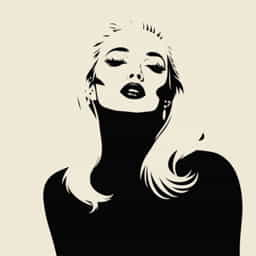
During the golden age of Hollywood, few figures shone as brightly and boldly as young Mamie Van Doren. Known for her striking looks, rebellious energy, and unapologetic personality, she stood out in an era dominated by carefully curated starlets. Often compared to Marilyn Monroe and Jayne Mansfield, Mamie carved her own path in the entertainment industry. As a young actress and singer, she embodied the spirit of the 1950s and 1960s, a time marked by transformation, rock n’ roll, and evolving attitudes toward fame and femininity. Her early years provide a fascinating window into a time when the rules of stardom were being rewritten, and Mamie was right there at the edge of change.
Early Life and Background
Roots of a Rising Star
Mamie Van Doren was born Joan Lucille Olander on February 6, 1931, in Rowena, South Dakota. Her family later moved to Los Angeles, where she was raised in the heart of California during a period of post-Depression revival and cultural evolution. Growing up in such an environment exposed her to the world of show business early on, planting the seeds of ambition that would soon blossom into a full-blown career in the spotlight.
Early Modeling and Pageants
As a teenager, Mamie was already attracting attention. Her beauty and charisma led her to participate in local beauty contests and modeling gigs. She won several pageants, which helped her gain exposure and develop confidence in front of crowds. These early victories also brought her to the attention of Hollywood scouts, paving the way for her entry into film.
Hollywood Discovery and Name Change
Her big break came when she was signed by Universal Pictures. Studio executives saw potential in her image, which fit the rising trend of blonde bombshells who exuded both charm and sensuality. It was Howard Hughes, the legendary business tycoon and film producer, who is said to have played a role in encouraging her transformation. Around this time, she adopted the stage name Mamie Van Doren ‘Mamie’ inspired by First Lady Mamie Eisenhower, and ‘Van Doren’ for a touch of elegance and distinction.
With her new identity, she began to attract roles that highlighted her bold presence, becoming a figure of growing interest in the competitive world of mid-century cinema.
Breakthrough Roles and Iconic Image
The Bad Girl Persona
Young Mamie Van Doren quickly became known for playing the ‘bad girl’ in a variety of teen dramas, crime thrillers, and musical films. While many of her roles were B-movies, her performances were unforgettable. She brought a rawness and edge that felt both alluring and rebellious, especially in an era when women were often cast in subdued or purely romantic roles.
Some of her most famous early films include:
- Untamed Youth (1957)– A classic exploitation film where Mamie played a singing and dancing troublemaker sentenced to hard labor.
- High School Confidential! (1958)– A cult favorite in which she played a sultry teacher amid a student drug ring investigation.
- The Girl in Black Stockings (1957)– A mystery thriller showcasing her in a suspenseful, more serious role.
These performances helped solidify her place in the Hollywood landscape as a daring and defiant screen presence.
Style and Appeal
Young Mamie Van Doren was not just known for her acting. Her physical appearance and style played a significant role in her public image. With platinum blonde hair, figure-hugging outfits, and a magnetic smile, she became a fashion icon of the era. She embraced her sexuality on-screen and off-screen in a way that was uncommon and often controversial during the conservative 1950s.
Her confidence and refusal to conform made her a standout figure, resonating with young audiences and setting trends in fashion and behavior. She was one of the first Hollywood actresses to embrace rock n’ roll culture, aligning herself with the youthful energy that defined a generation.
Comparison to Marilyn Monroe and Jayne Mansfield
During her rise, Mamie Van Doren was frequently compared to her blonde contemporaries, Marilyn Monroe and Jayne Mansfield. While all three were seen as sex symbols, Mamie stood apart in significant ways. She was more outspoken, more rebellious, and less interested in fitting into the studio-molded ideal of femininity.
Unlike Monroe, who often portrayed vulnerability, or Mansfield, whose image was steeped in playful satire, Mamie leaned into her wild side. She sang, she danced, and she challenged societal expectations earning her a unique place in Hollywood history.
Relationships and Public Life
Romance and Scandals
Young Mamie Van Doren was no stranger to the tabloids. Her love life often made headlines, especially during the height of her fame. She was linked to many notable men, including sports stars, musicians, and actors. She married several times, with each relationship adding to her reputation as a woman unafraid to live on her own terms.
While this brought attention, it also led to her being labeled as controversial. In many ways, she used the spotlight to her advantage, maintaining control over her narrative in a time when female celebrities were often at the mercy of studio PR teams and gossip columnists.
Challenges in the Industry
Despite her fame, Mamie Van Doren faced challenges in securing roles that allowed her to grow as an actress. The film industry in the 1950s and early 1960s often limited women to roles based on appearance, and Mamie was frequently typecast. Nevertheless, she continued to work consistently and remained popular among her fans.
Her efforts to break away from the bombshell image and explore more serious acting were met with mixed success, but she never stopped pushing for greater creative control and expression.
Legacy and Cultural Impact
A Symbol of Rebellion
The image of young Mamie Van Doren remains iconic. She came to represent a break from tradition and a celebration of individuality. Her refusal to conform, her bold choices, and her authentic self-expression influenced not only her generation but also future waves of performers and artists.
She was one of the first mainstream actresses to blend glamour with the growing counterculture of rock music and youth rebellion. Her influence can be seen in later figures who similarly challenged Hollywood norms and championed personal freedom.
Enduring Appeal
Decades later, Mamie Van Doren is still celebrated as a symbol of classic Hollywood. Vintage photos of her youth continue to circulate among fans of retro fashion, rockabilly culture, and old Hollywood aesthetics. She remains active in preserving her legacy, often sharing stories and reflections on her experiences in a rapidly changing industry.
Young Mamie Van Doren was more than just a pretty face. She was a force of nature in an era that often sought to tame women like her. Through talent, ambition, and sheer presence, she carved a space for herself in Hollywood’s glittering history. Her early years tell the story of a woman who dared to be different, who embraced the spotlight without losing her voice, and who continues to inspire generations of artists and fans alike. Her legacy is a testament to the power of individuality, courage, and timeless glamour.