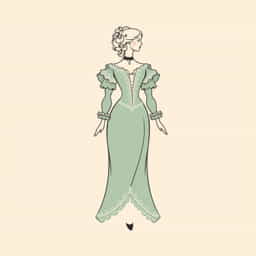
Richly detailed, extravagantly elegant, and unmistakably ornamental Rococo outfits reflect an era when fashion served as both a personal statement and a political display of luxury. Emerging in 18th-century France during the reign of Louis XV, the Rococo style flourished in art, architecture, and of course, clothing. The Rococo outfit was not just about dressing up; it was an embodiment of aristocratic taste, social status, and flamboyant sophistication. These ensembles captured the spirit of a time when fashion reached theatrical levels of expression through delicate fabrics, pastel hues, and ornate embellishments.
Origins of the Rococo Style
Historical Background
The Rococo period followed the more structured and formal Baroque era. Around the early 1700s, there was a shift from the grandeur of royal court attire to something more playful, romantic, and fluid. Rococo fashion was heavily influenced by the court of Versailles and spread across Europe, impacting the styles of nobility and artists alike.
Influence of Art and Architecture
The term ‘Rococo’ originates from the French word ‘rocaille,’ meaning shell or pebble, which was often used in decorative motifs. Just like Rococo architecture light, curvy, and filled with ornamental scrolls Rococo outfits followed the same aesthetic, valuing asymmetry, elegance, and rich embellishment.
Key Characteristics of Rococo Outfits
For Women
Women’s Rococo fashion revolved around exaggeration and delicacy, with dresses that were as structural as they were decorative.
- Robe à la Française: This gown featured a fitted bodice and pleated back panels known as Watteau pleats. The wide hips were enhanced with panniers side hoops worn under the skirt.
- Pastel Colors: Pale pinks, mint greens, baby blues, and creams dominated the Rococo palette, conveying softness and elegance.
- Embroidery and Lace: Ribbons, floral embroidery, and lace trims were used liberally to create a rich, layered appearance.
- Low Necklines and Elbow-Length Sleeves: Necklines were often wide and low, paired with sleeves that ended mid-arm and were decorated with lace or ruffles.
For Men
Rococo fashion for men was just as luxurious, often equally detailed and vibrant.
- Justaucorps: A long coat with deep cuffs and a full skirt, worn over a waistcoat and breeches.
- Embellishments: Men’s coats were adorned with embroidery, buttons, and lace cravats.
- Wigs and Accessories: White powdered wigs, tricorne hats, and high-heeled shoes completed the look.
- Color and Fabric: Men embraced bold colors and rich fabrics like silk, brocade, and velvet.
Materials and Craftsmanship
Luxurious Fabrics
Silk was the dominant fabric in Rococo fashion, often woven with intricate floral patterns or damask designs. Velvet, satin, and fine cottons also featured prominently, especially in undergarments and linings. Fabrics were chosen for their texture, sheen, and ability to hold shape when layered or pleated.
Detailing and Embroidery
Embroidery was a form of art in Rococo outfits. Scenes of nature, gardens, and mythological themes were often embroidered into garments, particularly around cuffs, hems, and bodices. Metallic threads, pearls, and sequins were added to highlight certain areas and give a sense of richness.
Symbolism and Social Significance
Fashion as Status
During the Rococo period, clothing functioned as a direct reflection of one’s social standing. The complexity of the outfit and the cost of materials often indicated wealth and influence. Wearing the latest French fashion was a mark of cultural superiority among European elites.
Gender and Elegance
Both men and women used Rococo fashion to express grace and refinement. While women’s fashion emphasized fertility and femininity with exaggerated hips and soft color tones, men’s clothing emphasized a balance between masculinity and gentility, particularly through elegant posture and decorative elements.
Hairstyles and Accessories
Women’s Hairstyles
Hair was an essential component of the Rococo look. Styles grew taller and more elaborate over time, with powdered hair piled high and adorned with feathers, ribbons, artificial flowers, and even miniature props like ships or birdcages.
Men’s Wigs
Wigs were a sign of refinement and were commonly powdered white. The most popular styles included the ‘queue’ (a wig tied at the back with a ribbon) and the more dramatic full-bottomed wigs used by older or more conservative men.
Jewelry and Fans
- Fans: Often hand-painted and made of lace or silk, fans were both decorative and practical accessories.
- Necklaces and Earrings: Pearls, cameos, and gemstone jewelry were staples in upper-class Rococo wardrobes.
- Gloves and Stockings: These were made of fine cotton, silk, or lace and were necessary finishing touches.
Decline and Legacy
The Shift Toward Neoclassicism
By the late 18th century, the frivolity of Rococo fashion began to feel outdated, especially amid rising political unrest in France. The French Revolution signaled a move toward simpler, more functional clothing. Neoclassicism took over, emphasizing clean lines and Greco-Roman inspiration.
Modern Influence
Though Rococo as a mainstream style faded, its influence continues in modern haute couture and historical costume design. Designers like Vivienne Westwood and John Galliano have drawn upon Rococo aesthetics in runway collections, blending history with modern flair.
Rococo Fashion in Pop Culture
Film and Theater
Costume dramas and historical films frequently showcase Rococo outfits to capture the elegance of the 18th century. Films like Marie Antoinette (2006) directed by Sofia Coppola have renewed public interest in Rococo fashion, presenting it as both whimsical and iconic.
Cosplay and Reenactments
Modern enthusiasts often recreate Rococo outfits for events, masquerades, and historical reenactments. These outfits, while time-consuming to make, offer a chance to step into the past and appreciate the craftsmanship and aesthetic of the era.
Rococo outfits are more than just extravagant costumes; they are historical artifacts that reflect the culture, values, and artistry of 18th-century Europe. With their delicate fabrics, ornate details, and elegant silhouettes, they captured a world where fashion was central to identity and status. While the Rococo period was relatively short-lived, its impact on fashion history is undeniable. Today, Rococo-inspired pieces continue to enchant designers, historians, and fashion lovers alike, serving as a reminder that beauty, even when excessive, has a timeless allure.