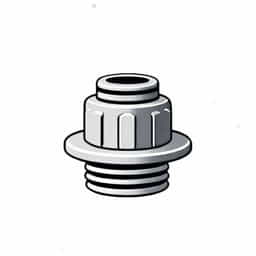
Dealing with a stripped oil pan plug can be a frustrating and messy experience for any car owner or mechanic. This small but critical component plays an essential role in sealing the oil pan and preventing oil leaks. When the oil drain plug becomes stripped, either the threads on the plug or the threads inside the oil pan are damaged, making it difficult or impossible to properly tighten the plug. This can lead to oil leaks, contamination, or even engine damage if left unresolved. Knowing how to identify, fix, and prevent a stripped oil pan plug can save time, money, and hassle in the long run.
Understanding the Oil Pan Plug and Its Function
What Is an Oil Pan Plug?
The oil pan plug, also called the drain plug, is a threaded bolt that is screwed into the bottom of the oil pan. Its primary function is to allow for easy drainage of old engine oil during an oil change. Once the oil has been drained, the plug is reinstalled and tightened to create a secure seal that prevents oil from leaking out of the engine.
Why It Gets Stripped
A stripped oil pan plug usually results from over-tightening, cross-threading, or repeated use of the same plug without proper care. The threads on the plug or inside the pan can become worn down or damaged, especially if incorrect tools are used or too much torque is applied. Aluminum oil pans are particularly vulnerable due to their softer metal composition.
Symptoms of a Stripped Oil Pan Plug
Visible Oil Leaks
One of the most obvious signs of a stripped drain plug is oil leaking from the bottom of the vehicle. You might see oil spots on your driveway or notice a drop in oil levels more quickly than usual.
Loose or Wobbly Plug
If the plug doesn’t tighten properly or feels loose even after turning it, this may indicate stripped threads. The plug might spin in place without catching, making it difficult to create a proper seal.
Recurring Leaks After Oil Changes
If your car continues to leak oil after each oil change despite replacing the washer or using sealant, a stripped oil pan plug could be to blame.
Immediate Actions to Take
Do Not Drive the Vehicle
Driving a vehicle with a stripped oil pan plug can lead to rapid oil loss. Running an engine without sufficient oil can cause severe internal damage. If you suspect a stripped plug, avoid driving until the issue is resolved.
Clean the Area
Before making any repairs, clean the area around the oil pan plug thoroughly. This will help you assess the damage more clearly and prevent debris from entering the oil system.
Repair Options for a Stripped Oil Pan Plug
Thread Repair Kit (Heli-Coil)
One of the most effective methods to fix stripped threads is using a thread repair kit, often called a Heli-Coil kit. This involves drilling out the damaged threads, re-tapping the hole, and inserting a coil that matches the original thread size.
- Pros: Long-term fix, restores original thread size
- Cons: Requires tools and careful installation
Oversized Drain Plug
If the original threads are slightly damaged, an oversized or self-tapping drain plug can sometimes restore function. These plugs cut new threads into the pan as they are installed.
- Pros: Simple and fast solution
- Cons: May not work for severely damaged threads
Oil Pan Replacement
In extreme cases where the thread damage is beyond repair, replacing the entire oil pan may be necessary. This is more expensive and time-consuming but ensures a fresh start with clean, undamaged threads.
- Pros: Permanent solution, no more leak risk
- Cons: Labor-intensive and costly
Temporary Fixes
As a last resort, thread sealant or Teflon tape can be used to temporarily slow down or stop a leak, but these are not long-term solutions. They should only be used to get the vehicle to a repair shop.
Steps to Install a Heli-Coil Insert
To repair the threads in the oil pan using a Heli-Coil kit:
- Step 1: Remove the damaged plug and clean the hole thoroughly.
- Step 2: Use the included drill bit to remove the stripped threads.
- Step 3: Tap new threads using the tap provided in the kit.
- Step 4: Install the Heli-Coil insert into the newly tapped threads.
- Step 5: Install the new drain plug into the insert and tighten to manufacturer specifications.
Preventing a Stripped Oil Drain Plug
Use a Torque Wrench
One of the main causes of stripped threads is over-tightening. Always use a torque wrench and follow the manufacturer’s torque specifications, usually between 20-30 lb-ft, depending on the vehicle.
Replace Crush Washers
Never reuse the crush washer or gasket on the oil pan plug. A worn-out washer can prevent proper sealing and lead to the temptation of over-tightening the plug.
Avoid Cross-Threading
Start threading the plug by hand to ensure it goes in straight. Cross-threading can easily strip the threads in a soft aluminum pan.
Inspect the Plug During Each Oil Change
Before reinstalling the plug, examine it for worn threads, damaged washers, or signs of corrosion. Replacing a $5 plug can prevent the need for costly repairs later on.
When to See a Mechanic
While some vehicle owners may feel comfortable using thread repair kits or replacing a plug, others may prefer to take their vehicle to a professional. If you are unsure of your mechanical ability, or if the oil pan is located in a difficult-to-access area, a certified mechanic can ensure the job is done correctly. In some vehicles, removing the oil pan requires lifting the engine or dropping the subframe, making DIY repair impractical.
Estimated Repair Costs
- Heli-Coil Kit: $30 to $60 (plus labor if done professionally)
- Oversized Plug: $5 to $20
- Oil Pan Replacement: $300 to $900 depending on labor and vehicle model
A stripped oil pan plug may seem like a small issue, but it can have significant consequences if ignored. Oil leaks reduce engine lubrication and can lead to overheating and mechanical failure. The good news is that there are several effective repair options available, from thread inserts to full pan replacements. By taking care during oil changes, using the right tools, and following torque guidelines, you can prevent thread damage and keep your vehicle running smoothly. Whether you choose to fix it yourself or visit a professional, addressing a stripped oil drain plug promptly is key to preserving your engine’s health and reliability.