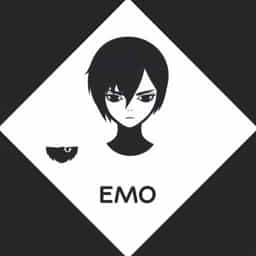
In today’s fast-evolving language landscape, slang words constantly emerge to express new ideas, emotions, and identities in creative ways. One such slang term that has gained popularity worldwide, especially among youth, is ’emo.’ Originally derived from a music genre, ’emo’ has evolved into a cultural label and a way for people to identify certain emotional expressions and attitudes. Understanding what ’emo’ means in slang, its origins, and how it is used can help us better grasp contemporary language trends and youth culture.
The Origin of the Word ‘Emo’
The word ’emo’ is a shortened form of ’emotional.’ It initially referred to a style of punk rock music that emerged in the 1980s in the United States. This music genre was characterized by expressive, confessional lyrics and a focus on intense emotions, often dealing with themes such as heartbreak, pain, and introspection.
As the music gained popularity, ’emo’ gradually expanded beyond just a musical genre to describe a subculture associated with certain fashion choices, behaviors, and emotional expression. This transition from a music label to a broader cultural term is a typical example of how language evolves in youth slang.
How ‘Emo’ Became Slang Language
In slang, ’emo’ refers not only to fans of the music genre but also to individuals who display a particular style and attitude associated with emotional sensitivity and vulnerability. In many communities, especially online and in schools, ’emo’ became a way to describe someone who openly expresses feelings of sadness, melancholy, or introspection.
- It often describes teenagers or young adults who use fashion styles like dark clothing, skinny jeans, band T-shirts, and hairstyles featuring long bangs covering one eye.
- It can also refer to people who write poetry, listen to emotionally charged music, or show emotional depth openly.
- Sometimes, ’emo’ is used teasingly or negatively to describe someone perceived as overly sensitive or dramatic.
Thus, ’emo’ in slang can be both an identity embraced with pride and a label that some might find stigmatizing.
Characteristics of Emo as Slang
When people say ’emo’ in everyday language, they are often referring to a combination of emotional openness and a distinct visual style. This slang usage involves both attitude and appearance, making it a rich cultural marker.
Emotional Traits
- Sensitivity: Emos are often portrayed as highly sensitive to their feelings and the feelings of others.
- Expressiveness: They tend to express their emotions through music, writing, or art.
- Introspection: There is usually a focus on self-reflection and exploring inner thoughts.
- Melancholy: A tone of sadness or longing is frequently associated with emo identity.
Fashion and Style
- Black or dark-colored clothing dominates the emo fashion style.
- Skinny jeans, hoodies, band merchandise, and studded belts are common.
- Hairstyles often include dyed black hair or vibrant colors, with long side-swept bangs.
- Accessories like wristbands, piercings, and heavy eyeliner are frequently seen.
The Use of ‘Emo’ in Indonesian Slang Language
In Indonesia, ’emo’ has been adopted as part of everyday slang language, especially among teenagers and young adults active on social media and in urban areas. The meaning is generally consistent with the global understanding of emo, emphasizing emotional sensitivity and a certain aesthetic.
However, Indonesian youth sometimes use ’emo’ more loosely, either to describe a mood, a style, or even as a playful teasing term. The word fits into a broader trend of incorporating English slang into Indonesian conversations, creating a unique fusion that reflects cultural exchange.
Examples of Emo in Indonesian Context
- Dia lagi emo banget hari ini, meaning ‘He/she is really emotional today,’ describing someone feeling sad or moody.
- Gaya rambutnya emo banget, referring to someone’s hairstyle that fits the emo fashion style.
- Jangan terlalu emo, santai aja, used as a gentle tease meaning ‘Don’t be too emotional, just relax.’
These examples show how the slang has practical applications in casual speech, blending feelings and style references.
Why ‘Emo’ Became Popular as Slang
The rise of ’emo’ as slang can be linked to several factors:
- Music Influence: Emo music’s popularity helped spread the term globally, making it familiar to young audiences everywhere.
- Social Media: Platforms like Instagram, Twitter, and TikTok allow users to showcase emo fashion and attitudes, helping the slang become mainstream.
- Identity Exploration: Adolescence is a time of emotional discovery, and ’emo’ offers a label that some find comforting to describe their feelings.
- Pop Culture: Emo characters in movies, TV shows, and books contribute to popularizing the slang and making it recognizable.
The Role of Emo in Youth Culture
For many young people, embracing the ’emo’ label is a way to express individuality and emotional honesty. It challenges traditional ideas that emotions should be hidden or suppressed, especially among men, by encouraging vulnerability and openness.
At the same time, ’emo’ culture encourages creativity through music, art, and fashion, offering a supportive community for those who feel different or misunderstood. This is why the slang term carries more than just a dictionary meaning it represents a social and emotional space.
Common Misconceptions About Emo
While ’emo’ has positive associations with emotional expression and creativity, it is also surrounded by stereotypes and misunderstandings:
- Emo is Not Just Sadness: Emo culture involves a wide range of feelings, not only sadness or depression.
- Emo is Not Weakness: Expressing emotions does not mean being weak or fragile.
- Not Everyone Who Dresses Emo Is Emo: Some adopt the style purely for fashion without the emotional associations.
- Emo is Not a Mental Illness: It’s a cultural identity, not a clinical diagnosis.
Understanding these nuances helps avoid unfair judgments and promotes acceptance.
The word ’emo’ in slang language is much more than just a label for a music genre or fashion style. It represents an emotional identity that resonates with many young people worldwide, including those in Indonesia. As slang, ’emo’ captures the complexities of feeling deeply, expressing vulnerability, and exploring identity through both words and appearance.
By learning about ’emo’ as a slang term, we not only enrich our vocabulary but also gain insight into a vibrant cultural movement that challenges social norms around emotions and self-expression. Whether you see ’emo’ as a style, a mood, or a community, it is a powerful example of how language evolves to meet the needs of its speakers.