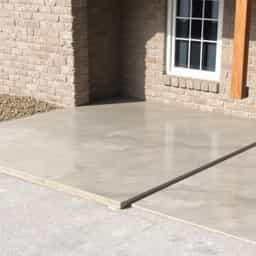
In construction and DIY home projects, concrete is one of the most common and versatile materials used for forming durable and level surfaces. Among the different methods of working with concrete, the dry pour technique for concrete slabs is often discussed for its simplicity and reduced need for specialized equipment. This method is particularly popular among homeowners and small-scale builders looking for a quick way to create a foundation, sidewalk, or patio. However, despite its perceived convenience, a dry pour concrete slab comes with unique challenges and considerations that must be understood to ensure the strength and longevity of the final result.
Understanding the Dry Pour Method
What Is a Dry Pour Concrete Slab?
A dry pour concrete slab refers to a method where the dry concrete mix is placed directly into the formwork or designated area, and water is added afterward, either by spraying or soaking. Unlike the traditional wet pour method, where water and cement are mixed thoroughly before being placed, the dry pour relies on water seeping into the mix over time to create the necessary bond and strength.
Why Use the Dry Pour Technique?
This method is sometimes used in smaller or less critical applications because:
- It avoids the need for a concrete mixer.
- It can be completed by a single person or small team.
- It reduces cleanup and complexity.
- It works well for small, shallow slabs or repair patches.
Steps for Installing a Dry Pour Concrete Slab
1. Site Preparation
As with any concrete slab, preparation is key. The area must be leveled and cleared of vegetation, rocks, and debris. It’s also essential to compact the soil and lay a base layer of gravel to prevent settling and drainage issues. For added strength, some projects may include a steel mesh or rebar reinforcement over the gravel before pouring the concrete mix.
2. Building the Formwork
Wooden boards or other form materials are used to outline the area where the slab will be poured. The forms must be level and firmly secured to prevent shifting. The form defines the shape and thickness of the slab and keeps the mix contained during the water application.
3. Applying the Dry Concrete Mix
Once the site is ready, the dry concrete mix is evenly spread within the form. The mix should be raked and leveled to the desired depth. Some builders recommend slightly tamping or pressing the mix to reduce air pockets and achieve a more uniform density before water is added.
4. Watering the Mix
Water is added slowly to the dry mix using a garden hose or spray system. This step is critical because uneven watering can lead to weak spots and cracking. It’s important to ensure that water penetrates deeply and evenly throughout the slab. Some professionals suggest gently misting in layers and allowing time for water to soak through each layer before adding more.
5. Curing the Slab
Just like traditionally poured concrete, a dry pour slab needs to cure properly. After the initial water is absorbed, the surface should be kept moist for several days. Covering the slab with plastic sheeting or using a curing compound can help retain moisture and support even curing. This step is vital for strength and durability.
Advantages of a Dry Pour Concrete Slab
Simplicity and Accessibility
The dry pour technique is particularly appealing to individuals without access to mixing equipment or those working on isolated or remote sites. It reduces setup time and the need for additional tools or labor.
Cost Efficiency
By eliminating the need for premixing and sometimes reducing the amount of water needed, dry pour slabs can be a more cost-effective choice for small-scale projects such as stepping stones, garden paths, or shed bases.
Minimal Equipment Required
No concrete mixer or large tools are necessary for a dry pour. With just a shovel, rake, hose, and a good-quality dry concrete mix, a slab can be created efficiently on a modest budget.
Potential Drawbacks and Limitations
Uneven Hydration
One of the biggest risks with dry pour concrete slabs is inconsistent water penetration. If the mix is not uniformly saturated, some areas may remain dry or under-hydrated, leading to reduced strength, crumbling, or early failure.
Lower Compressive Strength
Without proper mixing, the chemical reaction between cement and water (hydration) may not occur evenly, resulting in a weaker structure overall. For applications requiring high strength, such as driveways or structural foundations, a dry pour method is not recommended.
Surface Finish Issues
Dry pour slabs are more difficult to smooth and finish. The surface can appear uneven, dusty, or flaky if not properly managed. Achieving a polished or professional look typically requires additional work or alternative methods.
Where Dry Pour Concrete Slabs Are Commonly Used
This technique is generally reserved for low-load or temporary installations. Some examples include:
- Garden walkways or stepping stones
- Shed foundations for lightweight structures
- Backyard patios or decorative elements
- Post hole backfill for fences and mailboxes
It’s important to assess the purpose and expected load of a slab before choosing the dry pour method. For anything that requires durability under stress or frequent use, wet mixing is a safer and more effective choice.
Best Practices for Successful Dry Pour Slabs
- Use high-quality dry concrete mix with the proper cement-to-aggregate ratio.
- Ensure even distribution of the mix before adding water.
- Water in slow, controlled passes, allowing full absorption before continuing.
- Protect the slab from sun and wind during curing to prevent rapid drying and cracking.
- Avoid walking or placing weight on the slab until it has fully cured.
Alternative Methods to Consider
While dry pour offers simplicity, there are other options for small-scale projects that may yield stronger or more reliable results:
- Bag Mix Concrete: Pre-mixed bags that just require water in a bucket or wheelbarrow before pouring.
- Ready-Mix Concrete Delivery: For medium to large slabs, ordering from a concrete supplier ensures consistent mix quality.
- Precast Concrete Pavers: For patios or pathways, installing precast units avoids pouring altogether.
The dry pour concrete slab technique is a practical and simple approach for specific types of small, non-critical construction projects. While it eliminates the need for complex tools or mixing procedures, it requires careful attention during watering and curing to avoid structural weaknesses. Homeowners and builders should evaluate the intended use, load requirements, and desired finish before choosing this method. When properly executed, a dry pour slab can serve as a reliable foundation for various outdoor and light-duty applications.