In the late 18th century, France was a nation torn apart by revolution, shifting ideologies, and a powerful hunger for justice. What began as a call for liberty, equality, and fraternity would eventually spiral into a period of extreme violence and fear known as the Reign of Terror. Between 1793 and 1794, this turbulent chapter in French history saw mass executions, political purges, and the suppression of perceived enemies of the revolution. Understanding the Reign of Terror is essential to grasp how revolutionary ideals can become distorted under pressure, and how a thirst for justice can sometimes lead to tyranny.
Background of the Reign of Terror
Roots in the French Revolution
The Reign of Terror cannot be separated from the broader context of the French Revolution, which began in 1789. France was in political and economic turmoil. The monarchy had lost credibility, and the people demanded a new form of government. The storming of the Bastille, the abolition of feudalism, and the Declaration of the Rights of Man were all milestones that reflected a growing desire for change. However, as revolutionary fervor grew, so did internal and external threats.
Threats to the New Republic
By 1792, France had become a republic, having abolished the monarchy. But the new government faced enemies on all sides. Monarchist loyalists, foreign armies, and economic instability made governing extremely difficult. Fear of counter-revolution became widespread, especially after King Louis XVI was executed in January 1793. The Jacobins, the most radical group in the National Convention, began to dominate politics with the goal of defending the revolution at any cost.
Rise of the Jacobins and Robespierre
The Role of Maximilien Robespierre
Maximilien Robespierre became the most recognizable face of the Reign of Terror. A leading member of the Jacobin Club, he believed that terror was a necessary tool to protect the revolution. To Robespierre, virtue and terror were inseparable. His Committee of Public Safety was granted wide-ranging powers to identify and eliminate enemies of the revolution.
Establishing Revolutionary Tribunals
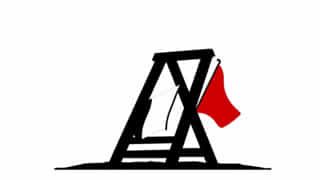
To deal with suspected traitors, revolutionary tribunals were established. These courts were designed to deliver quick verdicts. In practice, they often handed down death sentences with little evidence. The guillotine became the instrument of choice, symbolizing both justice and horror. Public executions were common, drawing large crowds and instilling fear in the populace.
Major Events During the Reign of Terror
Execution of Queen Marie Antoinette
One of the most famous victims of the Terror was Queen Marie Antoinette. After the execution of her husband, King Louis XVI, she was imprisoned, tried for treason, and executed in October 1793. Her death signaled the revolution’s commitment to destroying the monarchy and anyone associated with it.
Mass Arrests and Executions
During the Reign of Terror, an estimated 300,000 people were arrested. Of these, around 17,000 were executed, and thousands more died in prison. Victims included nobles, clergy, and even former revolutionaries who were accused of being too moderate. The radicalization of justice made it dangerous to voice dissent, as suspicion was often enough for condemnation.
Fall of the Girondins
The Girondins, a more moderate revolutionary faction, were one of the earliest victims of the Jacobins’ rise to power. In October 1793, many of their leaders were executed. This marked a turning point where ideological purity was demanded, and internal rivalry became a deadly game.
Ideology Behind the Terror
Terror as a Political Tool
To the Jacobins, especially Robespierre, terror was not a sign of failure but a necessary method to ensure the survival of the revolution. The goal was to eliminate corruption, injustice, and counter-revolutionary forces. In Robespierre’s words, Terror is nothing other than prompt, severe, inflexible justice. This belief turned the revolution inward, targeting its own citizens in the name of liberty.
The Cult of the Supreme Being
In an effort to unite the French people under moral virtue, Robespierre introduced the Cult of the Supreme Being a deistic religion meant to replace traditional Catholicism. A public festival was even held to celebrate this new faith. But this move further alienated citizens and revealed Robespierre’s growing ambition and control over public life.
The Fall of Robespierre and the End of the Terror
Turning Point: Robespierre’s Arrest
By mid-1794, fear and fatigue were spreading throughout France. Robespierre’s power and the unrelenting executions led many to fear for their own lives. His final speech, in which he hinted at yet more purges without naming names, terrified his allies. On July 27, 1794 (9 Thermidor), Robespierre and his closest supporters were arrested and executed the next day. This event marked the end of the Reign of Terror.
Thermidorian Reaction
After Robespierre’s death, the Thermidorian Reaction led to a more moderate phase in the revolution. The Committee of Public Safety lost its power, and revolutionary tribunals were disbanded. The excesses of the Terror were widely condemned, and many of its architects were brought to justice or driven from politics.
Legacy and Impact
Political Lessons
The Reign of Terror remains a stark reminder of how revolutionary zeal can evolve into authoritarianism. It demonstrated the dangers of unchecked political power, the erosion of civil liberties, and the use of fear as a tool of governance. While the Terror aimed to protect the revolution, it ultimately undermined the very freedoms it claimed to defend.
Modern Interpretations
Historians continue to debate the Reign of Terror. Some argue it was a tragic but necessary step to protect the Republic from collapse. Others view it as an unforgivable overreach driven by paranoia and political ambition. Either way, it has become a powerful example of how revolutions can devour their own ideals.
Cultural Memory
The Reign of Terror left a lasting mark on French and world history. It influenced future revolutions and political movements, serving as a warning against the misuse of justice and the dangers of extremism. The guillotine, once seen as a symbol of equality in execution, became a chilling icon of state terror.
The France Reign of Terror was a dramatic and dark chapter in the history of the French Revolution. It reflected both the passion and the peril of rapid social change. What began as a movement for liberty ended in widespread fear and violence. Understanding this period offers deep insight into the complexities of revolution, the fragility of democracy, and the enduring importance of justice grounded in humanity and restraint.