Many English expressions are colorful, imaginative, and often based on idioms that evolved over time. One such phrase is about to hit the hay, a common saying that people use to express their intention to go to bed or sleep. It’s a phrase used in both casual conversation and literature, often carrying a friendly and relaxed tone. Understanding its meaning, origin, and how to use it correctly can help anyone improve their grasp of informal English, especially if they are learning it as a second language.
Understanding the Meaning of About to Hit the Hay
The phrase about to hit the hay simply means about to go to sleep or getting ready for bed. It is an informal and friendly way of telling someone that you’re preparing to sleep. This expression is typically used at the end of the day when someone is feeling tired or has finished their activities and is ready to rest.
Examples of Use
- It’s been a long day. I’m about to hit the hay.
- I’ve got an early morning tomorrow, so I think I’ll hit the hay now.
- You look tired. Are you going to hit the hay soon?
All of these examples show how the phrase is used naturally in everyday English. The phrase is rarely used in formal settings but is quite common among friends, family, and even in popular media such as television shows and novels.
Origin of the Expression
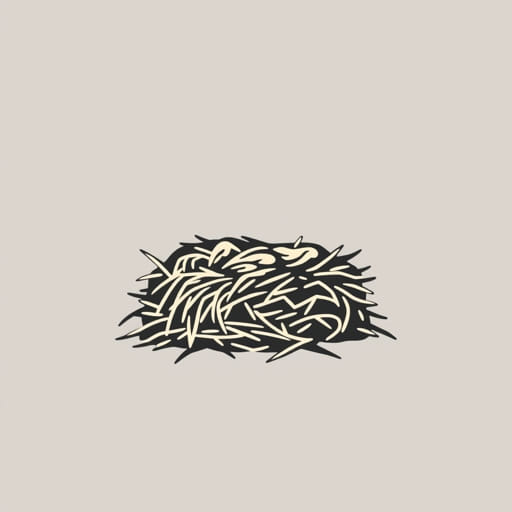
Hit the hay and its close cousin hit the sack are idiomatic expressions dating back to the early 20th century. The origins lie in the early practice of stuffing mattresses with hay. In farming communities or less affluent settings, beds were not made of modern spring mattresses but of sacks filled with hay. So, to hit the hay literally meant to lay down on a bed of hay for rest.
With time, the phrase became symbolic rather than literal. Even after beds evolved into more comfortable and modern designs, the saying stayed in the language because of its vivid imagery and casual tone.
Synonyms and Similar Expressions
Other Ways to Say About to Hit the Hay
- About to go to bed
- Turning in for the night
- Calling it a night
- Going to catch some Z’s
- Ready to sleep
- Hitting the sack
All of these phrases serve the same purpose as about to hit the hay and can be used interchangeably depending on the context. Hit the sack, for example, is equally informal and popular. Turning in is slightly more neutral and can be used in slightly more formal settings.
Why People Use Idioms Like Hit the Hay
Idioms enrich language. They add creativity, color, and personality to conversations. Using idioms like about to hit the hay helps speakers sound more natural and fluent. For English learners, understanding such phrases is key to sounding less robotic and more like a native speaker.
In social settings, using idioms signals comfort and ease with the language. It also provides a way to connect with native speakers by understanding and using expressions that are commonly heard in movies, songs, and daily speech.
When and Where to Use This Phrase
Appropriate Settings
- At home with family
- Among friends during a sleepover or casual gathering
- In text messages or informal emails
- While ending a phone call or conversation in the evening
Settings to Avoid
- Formal business meetings
- Academic presentations
- Job interviews
In more professional or formal settings, it’s better to simply say I’m going to bed or I’ll retire for the night. Choosing the right tone depending on your audience is essential for effective communication.
Cultural Relevance and Popularity
Expressions like about to hit the hay are deeply rooted in American and British cultures. They appear frequently in films, TV shows, and casual storytelling. Their use often conveys not just an action, but a certain mood tiredness, readiness for rest, or even a sense of ending the day on a positive note.
For instance, in a family movie, a character might say Time to hit the hay, kids! as a fun way to get children to go to bed. In a romantic comedy, one character might end a date by saying, I had a great time. I’m about to hit the hay, though. Big day tomorrow. These small but meaningful moments make the phrase feel alive and relevant in modern usage.
Benefits of Learning Everyday Idioms
Mastering expressions like about to hit the hay has multiple benefits, especially for non-native speakers:
- Improves comprehension of movies, books, and conversations
- Makes spoken English more engaging and natural
- Helps learners understand cultural nuances
- Increases vocabulary in a fun, memorable way
While learning grammar and basic sentence structure is important, idioms take communication to the next level. They allow speakers to go beyond the textbook and into real-world language use.
Tips for Using Idioms Correctly
- Listen carefully to how native speakers use idioms in different contexts
- Practice in casual conversations with friends or language partners
- Watch English movies or shows with subtitles to catch idiomatic phrases
- Keep a personal list of idioms and review them regularly
Using idioms like about to hit the hay doesn’t require perfect grammar or accent. What matters more is context and confidence. The more you hear it, the easier it becomes to use it naturally.
About to hit the hay is a warm, friendly phrase that reflects the charm of English idiomatic expressions. It paints a clear picture of someone getting ready to sleep and adds a bit of personality to otherwise plain language. Whether you’re learning English or just looking to expand your vocabulary, understanding phrases like this is a great way to sound more fluent and culturally aware. So next time you’re winding down for the evening, go ahead and say you’re about to hit the hay and enjoy your well-earned rest.