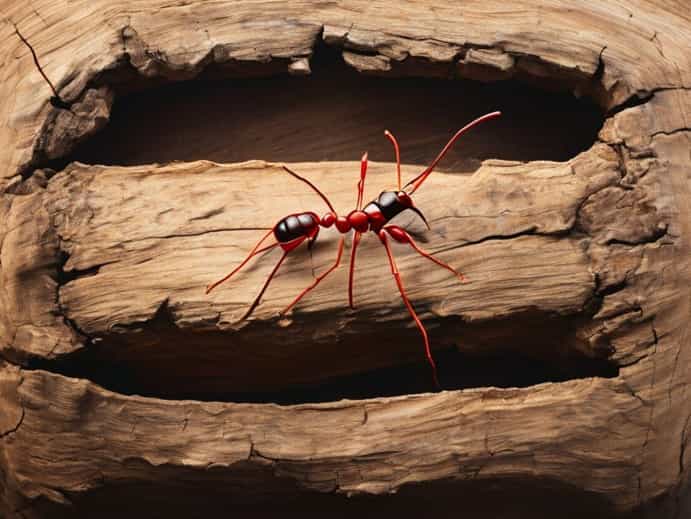
Ants are some of the most industrious and adaptable insects in the world, and their interaction with natural environments often goes unnoticed until it becomes significant. One such interaction occurs with rotted wood, where certain ant species find both shelter and resources. Rotting wood provides a unique microhabitat rich in nutrients, moisture, and protection from predators, making it an ideal location for ants to establish colonies. Studying ants in rotted wood offers insight into ecosystem dynamics, decomposition processes, and the behavior of these fascinating insects. Understanding this relationship also helps in managing wood structures and preventing potential damage in human dwellings.
Understanding Rotted Wood as a Habitat
Rotted wood, often found in forests, gardens, or old wooden structures, results from the natural decomposition of trees and wooden objects. This process is driven by fungi, bacteria, and environmental factors such as moisture and temperature. As the wood breaks down, it becomes softer and easier for small insects, including ants, to penetrate and inhabit. The presence of rotted wood is an important component of forest ecosystems, as it contributes to nutrient cycling and provides shelter for a variety of organisms, including insects, small mammals, and birds.
Why Ants Prefer Rotted Wood
Ants are attracted to rotted wood for several reasons. Firstly, the softened texture of decayed wood allows them to excavate tunnels and chambers with minimal effort. Secondly, rotted wood often retains moisture, creating a favorable microclimate for ant colonies. Thirdly, the decomposition process attracts other insects and organic matter, serving as a food source for ants. Certain ant species, such as carpenter ants (Camponotus spp.), are particularly known for their preference for rotted wood, although they typically do not consume the wood itself but use it as a structural medium for nesting.
Common Ant Species in Rotted Wood
Various ant species inhabit rotted wood, and their presence can be indicative of both ecological conditions and potential structural concerns. Some common species include
- Carpenter Ants (Camponotus spp.)Known for hollowing out wood to create nests, carpenter ants prefer moist or decayed wood. Their colonies can grow large, with multiple satellite nests branching out from the main nest.
- Odorous House Ants (Tapinoma sessile)These ants often invade decayed wood and nearby structures, attracted by the soft, moist conditions.
- Field Ants (Formica spp.)While often building mounds outdoors, some species may exploit rotted wood for temporary shelter or nesting.
- Black Garden Ants (Lasius niger)These ants occasionally utilize rotting wood as part of their foraging and nesting strategies, particularly in humid environments.
Ant Behavior in Rotted Wood
Ants exhibit remarkable behavior when colonizing rotted wood. They excavate intricate tunnels and chambers, creating a complex network that allows the colony to thrive. The queen typically establishes her chamber deep within the wood, where she lays eggs, while worker ants maintain food storage, nursery chambers, and ventilation tunnels. This structural organization enhances the colony’s survival and efficiency. Additionally, ants may use chemical trails within the wood to coordinate movement, communicate danger, and guide foraging activities.
Ecological Importance of Ants in Rotted Wood
Ants inhabiting rotted wood contribute significantly to ecosystem health. By tunneling through decayed wood, they accelerate the decomposition process, allowing nutrients to return to the soil more efficiently. Ants also help control populations of other insects by preying on small invertebrates within the rotted wood. Furthermore, ants serve as a food source for birds, reptiles, and other animals, linking rotted wood habitats to broader food webs. The presence of ants can even influence plant health by aerating soil near tree roots and dispersing seeds in some cases.
Impact on Human Structures
While ants play a vital ecological role, their presence in rotted wood can pose problems for humans when it involves wooden structures like homes, fences, or decks. Carpenter ants, for example, can gradually weaken wooden beams, window frames, and flooring if they establish a colony. The damage is usually slow and may go unnoticed until significant structural compromise occurs. Regular inspection of wooden structures for moisture accumulation and rotting can help prevent ant infestations.
- IdentificationLook for sawdust-like material or small tunnels in the wood.
- PreventionMaintain dry conditions, seal cracks, and replace rotted wood promptly.
- ControlUse ant baits, natural repellents, or professional pest management services for severe infestations.
Ant Colony Dynamics in Decayed Wood
Colonies in rotted wood exhibit dynamic social organization. The queen, workers, and brood interact in highly coordinated ways. Workers take on specialized roles, including foraging, nest maintenance, defense, and caring for the young. Some ants may patrol the surface of the rotted wood to prevent intrusion by other insects or predators. In multi-nest species, satellite colonies may form in adjacent wood, enhancing the colony’s resilience. Seasonal changes can influence ant activity, with increased foraging in warmer months and reduced activity during colder periods.
Research and Observation
Studying ants in rotted wood provides valuable scientific insight. Researchers can observe colony formation, behavior, and interactions with the environment. The study of ants in decayed wood also contributes to understanding pest control strategies and ecological balances. Observations can include
- Colony size and growth patterns
- Tunnel structure and spatial organization
- Interactions with fungi and other decomposers
- Responses to environmental changes like humidity and temperature
Ants in rotted wood play a crucial role in both natural ecosystems and, occasionally, human environments. These insects take advantage of the soft, moist conditions offered by decaying wood to establish complex colonies that contribute to decomposition, nutrient cycling, and food webs. Understanding their behavior, species diversity, and ecological impact is essential for appreciating their role in nature and managing potential structural problems in human-built environments. By studying ants in rotted wood, we gain insight into the intricate relationships between insects and their habitats, the mechanisms of decomposition, and the importance of maintaining healthy ecosystems. Preventive measures, observation, and research all help ensure that both ecological balance and human interests are preserved when dealing with ants in rotted wood.