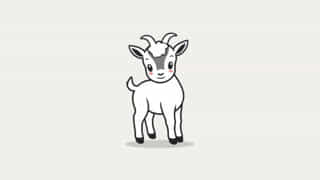
When it comes to farm animals, many people are curious about the specific names given to their young. Just like a baby cow is called a calf and a baby sheep is called a lamb, the young of goats have their own distinct term. Understanding the terminology surrounding baby goats not only helps in communicating accurately but also deepens appreciation for these lively and intelligent animals. Baby goats are known for their playful nature and adorable appearance, making them popular among farmers and animal lovers alike. This topic explores the correct name for a baby goat, different types of goat breeds, and interesting facts about their early life stages.
What Is a Baby Goat Called?
A baby goat is called akid. This term is used universally in English to refer to young goats from birth until they are weaned and start growing into juveniles. The word kid is believed to originate from Old Norse and Old English languages, historically used to describe the young of goats. While the term is simple, it effectively captures the lively and energetic spirit of baby goats.
Use of the Term Kid in Different Contexts
Although kid primarily refers to a baby goat, it is also used colloquially to describe human children in informal speech. In farming and animal husbandry contexts, however, the term remains specific to goats.
Stages of a Kid’s Growth
The life of a kid goes through several stages, from birth to adulthood. Each stage has its own care requirements and behaviors.
Newborn Kid
At birth, a kid is usually able to stand and walk within a few hours, which is essential for feeding and bonding with the mother goat, known as a doe. Newborn kids have a soft coat and rely entirely on their mother’s milk for nutrition.
Weaning Stage
Weaning typically occurs between 8 to 12 weeks of age when kids gradually transition from milk to solid food like grass, hay, and grains. This stage is crucial for their digestive development and overall health.
Juvenile and Adult
After weaning, kids become juveniles and continue growing rapidly. They develop their characteristic horns and coat colors during this time. Once sexually mature, usually around 6 to 12 months, they are considered adult goats.
Different Names for Baby Goats Based on Gender
While the general term for a baby goat is kid, there are specific terms related to gender as the kid grows.
- Buck Kid: A male baby goat.
- Doe Kid: A female baby goat.
- Wether: A castrated male goat, typically older than a kid but relevant in farm management.
Varieties of Goats and Their Kids
Goats come in many breeds, each with unique characteristics. While the term kid applies to all baby goats, their breed influences their size, coat, and behavior.
Popular Goat Breeds
- Nubian Goat: Known for long ears and a friendly nature.
- Boer Goat: A meat breed known for rapid growth.
- Pygmy Goat: Small-sized and often kept as pets.
- Alpine Goat: A dairy breed with high milk production.
Kids from these breeds can vary in appearance but share common early developmental traits such as curiosity and playfulness.
Interesting Facts About Baby Goats
Baby goats, or kids, are not only cute but also exhibit fascinating behaviors and biological traits.
Playfulness and Social Behavior
Kids are known for their energetic play, which includes jumping, climbing, and head-butting. This play behavior is important for developing muscle strength and social skills.
Communication
Even at a young age, kids communicate with their mothers and herd members using bleats and body language to signal hunger, distress, or contentment.
Rapid Growth
Kids grow quickly, often doubling their weight within the first few weeks. This rapid growth requires adequate nutrition and care.
Caring for Baby Goats
Raising healthy kids involves attentive care and proper management.
Nutrition
Initially, kids depend solely on their mother’s milk, which provides essential antibodies and nutrients. In cases where the mother cannot nurse, bottle feeding with specialized milk replacers is necessary.
Shelter and Safety
Providing a clean, dry, and safe shelter protects kids from harsh weather and predators. Proper fencing prevents them from wandering off and facing dangers.
Health Management
Vaccinations and parasite control are important to prevent diseases. Regular monitoring helps detect any health issues early.
The Importance of Kids in Farming and Culture
Kids are vital for sustaining goat populations and supporting farming economies. They contribute to meat, milk, and fiber production as they mature. Additionally, goats hold cultural significance in many societies, symbolizing fertility, vitality, and prosperity.
Economic Value
Healthy kids mean a stable herd and consistent income for farmers. Breeding and raising kids successfully is a core part of goat farming business.
Cultural and Symbolic Roles
In various cultures, baby goats appear in folklore, religious ceremonies, and as traditional gifts, emphasizing their longstanding relationship with humans.
A baby goat is called a kid, a term that applies from birth until they grow into juvenile goats. These lively and curious animals go through important developmental stages that require attentive care to ensure their health and growth. While kid is the general name, distinctions like buck kid and doe kid specify gender as they mature. Understanding these terms and the early life of goats helps farmers, animal enthusiasts, and anyone interested in livestock appreciate the vital role kids play in agriculture and culture. Whether on a farm or in stories, baby goats remain symbols of innocence, energy, and the continuity of life.