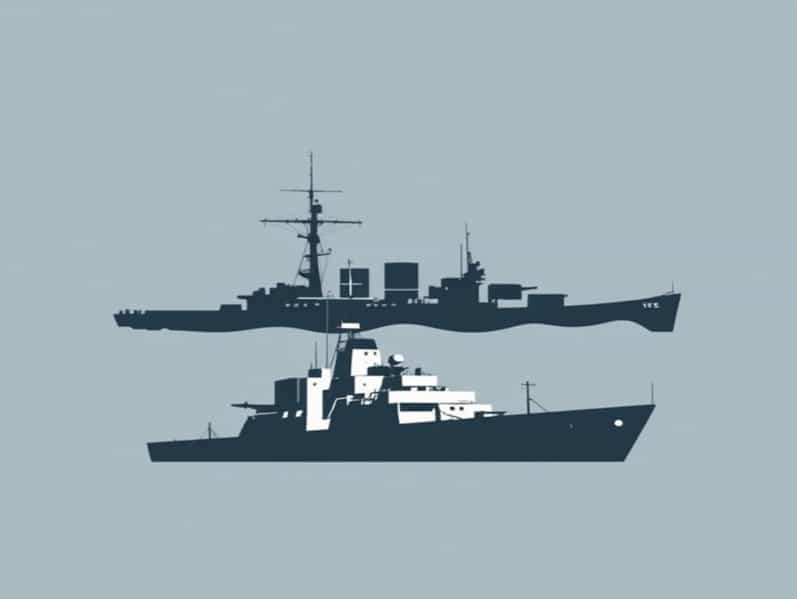
The Battle of Jutland, fought between the British Royal Navy’s Grand Fleet and the German Imperial Navy’s High Seas Fleet from May 31 to June 1, 1916, remains one of the most significant naval engagements of World War I. Among the ships involved, HMS Indefatigable, a British battlecruiser, played a pivotal yet tragic role. Known for her speed and firepower, Indefatigable represented the Royal Navy’s strategic approach to combining heavy armament with rapid maneuvering. Examining her involvement in the Battle of Jutland offers insight into naval tactics, ship design, and the human cost of maritime warfare.
Overview of HMS Indefatigable
HMS Indefatigable was part of the Indefatigable-class battlecruisers, commissioned in 1909. Designed by Sir Eustace Tennyson-d’Eyncourt, these ships were intended to bridge the gap between heavily armored battleships and lightly armored cruisers, emphasizing speed without sacrificing firepower. Indefatigable displaced over 18,000 tons and could reach speeds of up to 25 knots, making her a formidable force in reconnaissance and fleet engagements. She carried eight 12-inch guns in four twin turrets, providing substantial offensive capability for engaging enemy ships.
Armament and Design Features
- Main battery Eight 12-inch guns in four twin turrets
- Secondary battery Sixteen 4-inch guns for defense against smaller vessels
- Armor 4-inch belt armor, prioritizing speed over heavy protection
- Speed Up to 25 knots, allowing for rapid repositioning in battle
- Displacement Approximately 18,500 tons fully loaded
The design of HMS Indefatigable reflected the Royal Navy’s strategic priorities, but her relatively light armor made her vulnerable in line-of-battle engagements against heavily armed German ships.
Role in the Battle of Jutland
During the Battle of Jutland, Indefatigable was part of the 3rd Battlecruiser Squadron under the command of Rear Admiral Horace Hood. The squadron’s primary mission was to engage German battlecruisers while maintaining a screen for the main British battle fleet. At approximately 1730 on May 31, Indefatigable and her squadron encountered the German battlecruisers under Vice Admiral Franz von Hipper off the coast of Denmark.
Engagement and Sinking
Indefatigable engaged the German battlecruiser Von der Tann and other enemy vessels. During this exchange, she sustained multiple hits that penetrated her magazine, causing catastrophic explosions. The ship broke apart and sank rapidly, within minutes, resulting in the loss of nearly all hands on board. Of the crew, only two survived, highlighting the perilous nature of naval combat and the vulnerability of battlecruisers with lighter armor in direct artillery duels.
- Date of sinking May 31, 1916
- Location North Sea, near Jutland
- Casualties 1,013 officers and men lost
- Survivors 2 crew members
- Cause of sinking Magazine explosion following enemy gunfire
Tactical Implications
The loss of HMS Indefatigable underscored several critical lessons in naval warfare. First, speed and firepower alone could not compensate for insufficient armor when engaging enemy capital ships. Second, the vulnerability of British battlecruisers to magazine explosions highlighted flaws in ammunition handling procedures and internal protection. The sinking influenced subsequent British naval strategy, prompting improvements in ship design, magazine protection, and fleet tactics.
Impact on British Naval Strategy
- Emphasis on improved armor protection for battlecruisers
- Revisions in ammunition handling and magazine safety protocols
- Greater coordination between battlecruisers and main fleet units
- Recognition of the risks of engaging enemy capital ships without adequate support
- Increased focus on intelligence and reconnaissance to avoid ambushes
Historical Significance
The sinking of HMS Indefatigable remains a poignant example of the human and material cost of naval warfare. Her destruction contributed to the broader narrative of the Battle of Jutland, which, despite being tactically inconclusive, demonstrated the deadly effectiveness of modern naval artillery. Historians continue to study the loss of Indefatigable to understand the interplay between ship design, tactical doctrine, and the unpredictability of combat at sea.
Legacy and Commemoration
- Memorials Various monuments honor the crew lost with HMS Indefatigable
- Naval studies Used as case studies in armor, magazine safety, and fleet tactics
- Influence on ship design Informed future British capital ship construction during and after World War I
- Cultural impact Represents courage and sacrifice of Royal Navy sailors
- Educational value Continues to be studied in military history courses
Lessons from HMS Indefatigable
Analyzing the fate of HMS Indefatigable offers critical lessons in naval architecture, combat strategy, and operational planning. It highlights the necessity of balancing speed, firepower, and protection, and emphasizes the importance of rigorous safety measures in handling munitions. Moreover, the story of Indefatigable and her crew provides enduring testimony to the bravery and dedication of those who served in one of history’s largest naval engagements.
Key Takeaways
- Battlecruiser design must consider armor vulnerability alongside speed and firepower
- Effective magazine safety protocols are essential to prevent catastrophic losses
- Coordination and support between fleet units can mitigate risks in engagements
- Historical analysis of naval battles informs modern maritime strategy
- Honoring the sacrifices of sailors preserves the human dimension of warfare
HMS Indefatigable’s participation in the Battle of Jutland highlights both the strengths and weaknesses of early 20th-century naval strategy. Her speed and armament reflected the Royal Navy’s tactical ambitions, yet her vulnerability to magazine explosions revealed critical design flaws. The ship’s tragic loss, along with the sacrifice of over a thousand crew members, underscores the harsh realities of naval warfare. Studying Indefatigable provides valuable lessons in military history, ship design, and operational planning while honoring the courage and dedication of those who served aboard her.