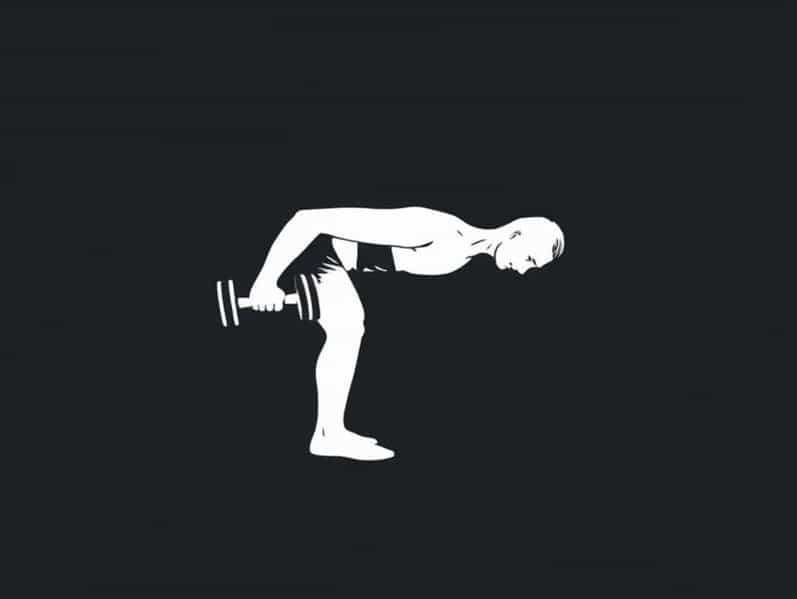
The bent over dumbbell lateral raise is an essential exercise for anyone looking to build strong, defined shoulders and improve upper back stability. Unlike traditional lateral raises, this exercise targets the rear deltoids, rhomboids, and trapezius muscles, making it a critical movement for balanced shoulder development and posture improvement. Whether you are a beginner or an experienced lifter, understanding proper form, variations, and programming for the bent over dumbbell lateral raise can significantly enhance your upper body strength and aesthetics.
Muscles Worked by the Bent Over Dumbbell Lateral Raise
This exercise primarily targets the posterior deltoids, which are often underdeveloped compared to the front and side deltoids. Strengthening these muscles not only contributes to a fuller shoulder appearance but also supports better shoulder joint stability. Secondary muscles involved include the rhomboids, trapezius, and rotator cuff muscles, which help maintain proper posture and shoulder mechanics.
- Posterior DeltoidResponsible for shoulder extension and horizontal abduction.
- RhomboidsAssist in retracting the shoulder blades, improving posture.
- TrapeziusStabilizes the scapula and assists in shoulder movement.
- Rotator Cuff MusclesHelp control the rotation and stability of the shoulder joint.
Proper Form and Technique
Executing the bent over dumbbell lateral raise with proper form is essential to prevent injury and maximize muscle engagement. Start by standing with your feet hip-width apart, holding a dumbbell in each hand. Bend at the hips until your torso is nearly parallel to the floor while keeping a slight bend in your knees. Allow the dumbbells to hang naturally below your shoulders with palms facing each other.
Step-by-Step Instructions
- Bend forward at the hips, maintaining a straight back and slight knee bend.
- Engage your core and keep your neck neutral to avoid strain.
- Raise the dumbbells out to the sides until your arms are parallel to the floor.
- Focus on squeezing the shoulder blades together at the top of the movement.
- Lower the dumbbells slowly to the starting position under control.
Key cues for proper execution include avoiding momentum, keeping a slight bend in the elbows, and not shrugging the shoulders. Performing the movement slowly ensures continuous tension on the target muscles and reduces the risk of injury.
Benefits of Bent Over Dumbbell Lateral Raise
Incorporating the bent over dumbbell lateral raise into your workout routine provides several advantages beyond just muscle growth. Here are some key benefits
- Enhanced Shoulder AestheticsStrengthening the rear delts contributes to well-rounded shoulders and a V-shaped upper body.
- Improved PostureTargeting the upper back muscles helps correct rounded shoulders and poor posture.
- Better Shoulder StabilityStrengthening posterior muscles supports shoulder joint health and reduces injury risk.
- Increased Pulling PowerA stronger rear deltoid and upper back improve performance in pulling movements like rows and pull-ups.
Common Mistakes to Avoid
To maximize results and minimize injury risk, avoid these common mistakes when performing the bent over dumbbell lateral raise
- Using Too Much WeightHeavy dumbbells can lead to swinging and reduced muscle engagement. Start with a manageable weight.
- Rounding the BackAlways maintain a neutral spine to protect the lower back.
- Shrugging ShouldersKeep the shoulders down and relaxed; focus on lifting with the rear delts.
- Rapid MovementsFast lifting reduces tension on the target muscles and increases the risk of strain.
Variations of Bent Over Dumbbell Lateral Raise
To prevent plateaus and add variety to your routine, consider the following variations of the bent over dumbbell lateral raise
- Seated Bent Over Lateral RaisePerform while seated on a bench to limit momentum and isolate the rear delts.
- Cable Bent Over Lateral RaiseUsing cables provides constant tension throughout the movement.
- Incline Bench Rear Delt RaiseLie chest-down on an incline bench and lift dumbbells sideways to target rear delts without back strain.
- Resistance Band Lateral RaiseBands offer variable resistance and are great for home workouts.
Programming Tips
For effective results, the bent over dumbbell lateral raise can be programmed into your routine based on your training goals
- Strength Focus3 4 sets of 6 10 reps using a challenging but controlled weight.
- Hypertrophy (Muscle Growth)3 4 sets of 10 15 reps with moderate weight, focusing on muscle contraction and form.
- Endurance and Tone2 3 sets of 15 20 reps with lighter weight, maintaining constant tension on the rear delts.
- FrequencyIncorporate 2 3 times per week, ensuring adequate recovery between sessions.
Complementary Exercises
To fully develop the shoulders and upper back, pair the bent over dumbbell lateral raise with other exercises
- Face Pulls Target rear delts and traps.
- Barbell or Dumbbell Rows Strengthen mid-back and rhomboids.
- Upright Rows Work side delts and traps for overall shoulder width.
- Rear Delt Fly Machine Isolate posterior delts safely, especially for beginners.
The bent over dumbbell lateral raise is a vital exercise for anyone serious about shoulder and upper back development. By focusing on the rear delts, rhomboids, and traps, it improves posture, enhances aesthetic symmetry, and supports overall upper body strength. Correct form, controlled movements, and appropriate programming are key to maximizing its benefits. Incorporating variations and complementary exercises ensures balanced shoulder growth and helps prevent common issues such as overdeveloped front delts or rounded shoulders. Whether part of a strength, hypertrophy, or endurance routine, the bent over dumbbell lateral raise remains a cornerstone movement for achieving strong, healthy, and well-defined shoulders.