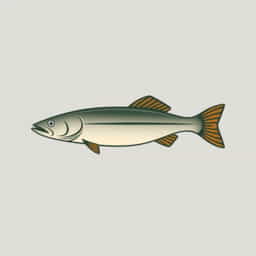
Targeting muskie, often referred to as the fish of ten thousand casts, requires a careful approach and the right selection of bait. These apex predators are powerful, intelligent, and not easily fooled, making bait choice absolutely critical to success. Whether you’re a beginner muskie angler or a seasoned trophy hunter, understanding what bait works best for muskies in different conditions can greatly increase your chances of landing one. This topic explores the best bait for muskie, how and when to use them, and why certain lures consistently outperform others.
Understanding Muskie Behavior
Feeding Habits
Muskies are opportunistic feeders and are known to eat a wide variety of prey, including fish, frogs, small mammals, and birds. Their ambush-style attack relies on quick bursts of speed and precise timing. Because they are at the top of the food chain in most waters, muskies are not only powerful but also selective, which makes choosing the best muskie bait essential for successful fishing.
Seasonal Activity
The best bait for muskie can vary with the season. During spring and fall, muskies are more active and aggressive, often striking large lures. In summer, they can be more lethargic and may prefer slower presentations. Understanding these seasonal patterns will help you match your bait to the conditions.
Top Live Baits for Muskie
Suckers
One of the most effective live baits for muskie is the sucker. These are hardy, slow-moving baitfish that muskies find irresistible. They are typically rigged on quick-strike rigs and fished under a float or free-lined near weed edges and drop-offs. Suckers are especially effective in late fall when muskies are feeding heavily before winter.
Large Shiners
In waters where legal and available, large golden or emerald shiners can be excellent live bait for muskie. These baits work well in the spring and early summer when muskies are more likely to key in on smaller prey. Shiners should be hooked through the back or lips and fished with minimal resistance to allow a natural presentation.
Live Perch or Panfish
In some regions, small perch or panfish are natural forage for muskies. When legal, using live perch can mimic the local diet of muskies. This technique is most effective in clear water where visual presentation is key.
Best Artificial Lures for Muskie
Bucktail Spinners
Bucktails are a classic and one of the most popular muskie lures of all time. These flashy spinners consist of a wire frame with a spinning blade and a tail made from bucktail or synthetic fibers. They work best in warmer months when muskies are aggressive. Fast retrieves trigger reaction strikes, especially near weed lines, rock points, and open water structure.
- Double-bladed bucktails create extra vibration and are ideal for stained water.
- Single-blade models are better for clear water or pressured fish.
Topwater Baits
Topwater lures provide some of the most exciting muskie strikes. These baits, such as walk-the-dog lures, prop baits, or creepers, are best used during low-light conditions or when fish are shallow. Slow, steady retrieves often work best, especially around lily pads, flats, or submerged timber.
Swimbaits and Soft Plastics
Large soft plastic swimbaits or paddle tails can be deadly for muskies, particularly in cold water or high-pressure situations. They offer a lifelike appearance and action, mimicking a wounded baitfish. Slow-rolled over structure or around weeds, they can tempt even the most cautious muskies into striking.
Crankbaits
Crankbaits are another essential bait for muskie fishing. These lures come in a variety of shapes and sizes, with some diving shallow and others reaching depths of 20 feet or more. Choose the appropriate diving depth based on where muskies are holding. Jointed crankbaits provide an added wiggle that can help entice followers into striking.
Jerkbaits and Glide Baits
Jerkbaits and glide baits offer erratic movement that mimics an injured fish, making them particularly effective in clear water where muskies are visually tracking prey. They require a specific cadence to retrieve, involving jerks, pauses, and sweeps of the rod tip. When worked properly, these lures can be irresistible.
Factors That Influence Bait Choice
Water Clarity
In clear water, muskies rely heavily on sight, so natural-looking baits with realistic colors and actions are preferred. In murky or stained water, choose lures with vibration, rattles, or bright colors like chartreuse or orange to get the muskie’s attention.
Weather Conditions
Overcast days generally trigger more aggressive feeding, so faster lures like bucktails or topwaters can be more productive. On bright, sunny days, muskies may be less active and require a slower, more methodical presentation such as soft plastics or live bait.
Water Temperature
Muskies are cold-water predators, but their activity level fluctuates with temperature. In warmer water, speed up your retrieval and focus on reaction strikes. In cooler water, slow down and use more subtle baits that allow the fish to inspect before striking.
Tips for Presenting Muskie Bait
- Always figure-eight your bait at the end of a retrieve muskies often follow but strike only at the boat.
- Change speeds and direction during retrieval to mimic erratic prey behavior.
- Use leaders fluorocarbon or steel to prevent bite-offs from muskie’s sharp teeth.
- Match the bait size to the forage size in the lake or river you’re fishing.
When to Use Each Bait
Spring
During post-spawn, muskies are often recovering and less aggressive. Use smaller baits like downsized bucktails, jerkbaits, and live shiners. Slow retrieves and subtle action are key.
Summer
Warmer water increases metabolism and feeding activity. This is when large bucktails, topwater baits, and big crankbaits shine. Focus on weed lines, drop-offs, and deep water adjacent to structure.
Fall
Fall is considered prime time for trophy muskies. Fish are feeding heavily to prepare for winter. Use large suckers, jointed crankbaits, and big swimbaits. Slow retrieves can entice big, lazy fish.
Winter
In ice-free zones, muskies can still be caught with slow-moving baits. Live bait rigs and suspending jerkbaits worked patiently near deep holes or channels can be effective.
Choosing the best bait for muskie fishing requires a solid understanding of muskie behavior, seasonal patterns, and the water you’re fishing. From live suckers to flashy bucktails, from topwater lures to realistic swimbaits, the key is selecting the bait that fits the conditions and presenting it in a way that triggers a predatory response. While there’s no single bait that works all the time, learning to adapt your approach and experimenting with different presentations will significantly improve your success rate. With the right bait and persistence, that trophy muskie could be just one cast away.