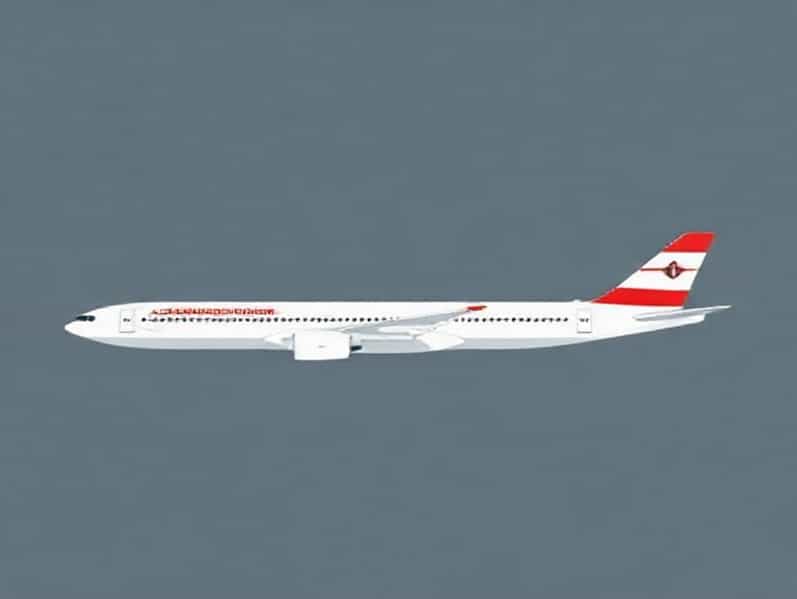
The Boeing 777-200 is one of the most recognized and widely used wide-body aircraft in commercial aviation, and Austrian Airlines has included this model as part of its fleet to enhance long-haul travel efficiency and passenger comfort. Known for its advanced engineering, reliability, and range capabilities, the Boeing 777-200 allows Austrian Airlines to operate flights across Europe, Asia, and North America with greater flexibility. Passengers traveling on this aircraft enjoy a spacious cabin, modern amenities, and a smooth flying experience, making it a preferred choice for both business and leisure travelers. Understanding the specifications, features, and operational advantages of the Boeing 777-200 with Austrian Airlines provides insight into the airline’s commitment to safety, efficiency, and passenger satisfaction.
Introduction to the Boeing 777-200
The Boeing 777-200, also known as the 777-200 series, is a twin-engine, long-range wide-body aircraft designed by Boeing Commercial Airplanes. It first entered service in the mid-1990s and quickly became popular among airlines due to its fuel efficiency, reliability, and ability to carry a large number of passengers over long distances. The aircraft features two powerful turbofan engines, advanced avionics, and a spacious fuselage capable of accommodating various seating configurations. For Austrian Airlines, the Boeing 777-200 plays a critical role in maintaining a competitive edge in international routes while providing passengers with comfort and performance.
Specifications of the Boeing 777-200
- Seating CapacityTypically 314 to 396 passengers depending on configuration
- RangeApproximately 5,240 to 5,700 nautical miles
- EnginesTwo General Electric GE90 or Pratt & Whitney PW4000 turbofan engines
- Cruising SpeedMach 0.84 (around 560 mph or 900 km/h)
- Maximum Takeoff WeightUp to 545,000 pounds (247,000 kg)
- Cabin Width5.87 meters (19.3 feet)
Austrian Airlines and the Boeing 777-200
Austrian Airlines is the flag carrier of Austria and a member of the Lufthansa Group. The airline operates a modern fleet designed to meet both regional and international demands. Incorporating the Boeing 777-200 into its fleet allows Austrian Airlines to efficiently serve long-haul destinations while maintaining high standards for passenger experience and operational reliability. The aircraft is primarily used for routes to North America, Asia, and selected long-distance European destinations where capacity and comfort are essential.
Cabin Features and Passenger Comfort
The Boeing 777-200 operated by Austrian Airlines is equipped with several features to enhance passenger comfort
- SeatingErgonomically designed seats with adjustable headrests and ample legroom across economy, premium economy, and business classes
- In-Flight EntertainmentPersonal screens offering movies, TV shows, music, and games for each passenger
- ConnectivityWi-Fi availability on selected routes for business and leisure travelers
- Cabin AmbianceLED lighting systems designed to reduce fatigue and enhance the travel experience
- Food and Beverage ServiceGourmet meals and a wide selection of beverages curated to reflect Austrian hospitality
Operational Advantages for Austrian Airlines
The Boeing 777-200 provides Austrian Airlines with several operational advantages, making it a strategic addition to the fleet. The aircraft’s fuel efficiency reduces operational costs for long-haul flights, while its range capabilities allow nonstop service on key international routes. Reliability and ease of maintenance are additional factors that make the 777-200 an attractive choice for airline operators, ensuring consistent service and minimizing delays due to mechanical issues.
Route Flexibility
With the Boeing 777-200, Austrian Airlines can serve high-demand international routes efficiently. The aircraft’s range enables nonstop flights from Vienna to destinations such as New York, Los Angeles, Bangkok, and Tokyo. This capability not only enhances the airline’s connectivity but also improves passenger convenience by reducing travel time and layovers.
Safety Features
Safety is a top priority for Austrian Airlines, and the Boeing 777-200 is equipped with advanced safety systems
- Modern avionics with redundant navigation systems
- Enhanced autopilot and flight management systems
- Advanced engine monitoring and control
- Emergency equipment and cabin safety measures in compliance with international regulations
Environmental Considerations
The aviation industry is increasingly focused on sustainability, and the Boeing 777-200 offers improved fuel efficiency compared to older long-haul aircraft. Austrian Airlines has taken steps to optimize fuel consumption and reduce carbon emissions on long-haul flights, demonstrating a commitment to environmental responsibility. The twin-engine design of the 777-200 allows for efficient thrust with lower fuel burn, contributing to a smaller ecological footprint per passenger compared to older four-engine aircraft.
Maintenance and Reliability
Maintenance efficiency is critical for airline operations, and the Boeing 777-200 offers simplified and cost-effective maintenance procedures. Austrian Airlines benefits from standardized maintenance practices, common spare parts, and well-trained technical crews, ensuring high aircraft availability and reliability. These factors contribute to on-time performance and passenger satisfaction, reinforcing the airline’s reputation for dependable long-haul service.
Passenger Experience
Flying on an Austrian Airlines Boeing 777-200 provides passengers with a smooth and enjoyable experience. The combination of wide-body design, modern amenities, and attentive service ensures comfort even on long-haul flights. The spacious cabin layout allows for a relaxed environment, while the advanced in-flight entertainment and connectivity options keep passengers engaged throughout their journey. Austrian Airlines also focuses on high-quality service standards, reflecting the airline’s commitment to a premium travel experience.
Class Options
- Business ClassFully reclining seats, priority boarding, enhanced meal options, and lounge access
- Premium EconomyIncreased legroom, upgraded meals, and additional amenities for longer flights
- Economy ClassComfortable seating with access to entertainment, refreshments, and attentive cabin service
The Boeing 777-200 is a vital aircraft for Austrian Airlines, enabling efficient long-haul operations while offering passengers a high level of comfort and reliability. With its advanced technology, spacious cabin, and fuel-efficient engines, the 777-200 supports the airline’s goal of providing safe, enjoyable, and environmentally responsible travel. From its operational advantages to its passenger-focused amenities, this aircraft continues to play a central role in Austrian Airlines’ strategy to connect Vienna with major global destinations. Travelers can expect a dependable, comfortable, and modern flying experience when choosing Austrian Airlines on the Boeing 777-200.