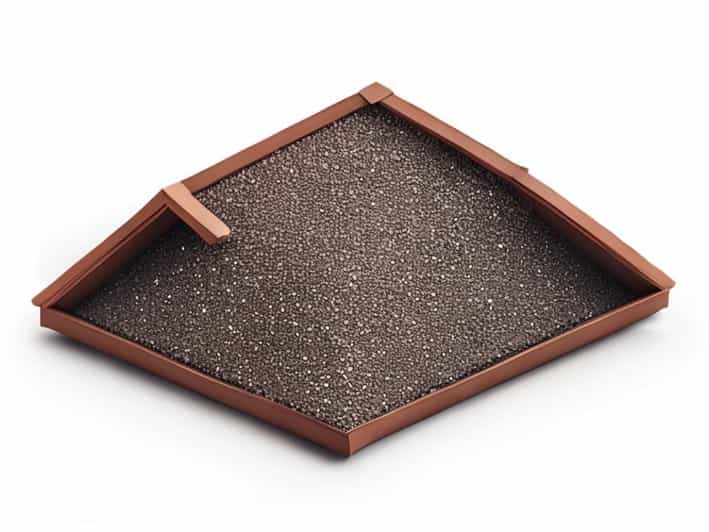
A built up hot mopped roof without gravel is a roofing system often seen on flat or low-slope buildings, especially in urban and commercial settings. This type of roof has a long history and is known for its durability and water resistance. Unlike traditional built up roofs that use gravel as a protective top layer, this version relies on other materials and finishes to protect the roofing membrane. Understanding how this roofing system works, why it is chosen, and what makes it different can help property owners and builders make informed decisions.
What Is a Built Up Hot Mopped Roof?
A built up roof, commonly called a BUR, is made by layering roofing felt and hot asphalt or bitumen. The term hot mopped refers to the process of applying hot liquid asphalt with a mop to bond the layers together. Each layer adds strength and waterproofing to the roof system.
In a built up hot mopped roof without gravel, the traditional gravel surfacing is replaced with an alternative finish. This may include a smooth asphalt surface, a reflective coating, or a cap sheet designed to protect the underlying layers.
Why Gravel Is Sometimes Omitted
Gravel has traditionally been used to protect built up roofs from ultraviolet exposure and physical damage. However, not all buildings or designs require gravel. A built up hot mopped roof without gravel is often chosen for aesthetic, structural, or maintenance reasons.
Gravel adds significant weight to a roof system. In some cases, the building structure may not be designed to support this additional load. Removing gravel can reduce stress on the building while still maintaining effective waterproofing.
Common Alternative Surfacing Options
When gravel is not used, other materials take its place to protect the roof surface. These alternatives are designed to shield the roof from sun exposure, temperature changes, and minor impacts.
Typical Surfacing Materials
- Smooth asphalt with protective coatings
- Mineral-surfaced cap sheets
- Reflective roof coatings
- Modified bitumen top layers
Each option has its own benefits depending on climate, building use, and budget.
The Installation Process
The installation of a built up hot mopped roof without gravel follows a careful and methodical process. First, the roof deck is prepared to ensure it is clean and structurally sound. Insulation may be installed to improve energy efficiency.
Hot asphalt is heated to a specific temperature and applied with a mop. Roofing felts are embedded into the hot asphalt, layer by layer. This process is repeated until the desired number of layers is achieved. Finally, the chosen surface material is applied to protect the system.
Durability and Performance
Built up roofing systems are known for their strength and long lifespan. The multiple layers provide redundancy, meaning that even if one layer is compromised, others can still prevent water intrusion.
A built up hot mopped roof without gravel can perform just as well as traditional systems when properly installed and maintained. Modern coatings and cap sheets offer excellent resistance to UV rays and weathering.
Maintenance Considerations
Maintenance is an important factor in any roofing system. Without gravel, the roof surface is easier to inspect and repair. Cracks, blisters, or wear are more visible on a smooth surface.
Regular inspections help extend the life of the roof. Minor repairs and reapplication of protective coatings can prevent larger issues from developing over time.
Energy Efficiency Benefits
Many built up hot mopped roofs without gravel use reflective surfaces. These surfaces reflect sunlight rather than absorbing it, which can reduce heat buildup inside the building.
Lower heat absorption can lead to reduced cooling costs during warm months. This makes gravel-free systems appealing for energy-conscious building owners.
Weight and Structural Advantages
Removing gravel significantly reduces the overall weight of the roof. This is especially beneficial for older buildings or structures with limited load-bearing capacity.
Lighter roofing systems may also simplify construction and reduce long-term stress on the building’s framework.
Aesthetic Considerations
Some property owners prefer the clean, uniform appearance of a built up hot mopped roof without gravel. Gravel roofs can look uneven and may not fit modern architectural styles.
Smooth or coated surfaces offer a more finished look, which can be important for buildings where the roof is visible from above or nearby structures.
Potential Drawbacks
While there are many benefits, this roofing system also has some limitations. Without gravel, the surface may be more vulnerable to physical damage from foot traffic or falling objects.
Protective coatings may require periodic reapplication to maintain their effectiveness. This adds to long-term maintenance planning.
Best Applications for This Roofing Type
A built up hot mopped roof without gravel is commonly used on commercial buildings, apartment complexes, and modern residential structures with flat roofs. It is well suited for areas where roof access is limited or controlled.
This roofing system is also popular in regions with mild to moderate climates, where extreme temperature fluctuations are less common.
Environmental Considerations
Modern roofing materials often aim to reduce environmental impact. Reflective coatings can help lower urban heat buildup, contributing to a more comfortable environment.
Some materials used in built up roofing systems are recyclable, and extending the lifespan of a roof reduces waste over time.
Choosing the Right Roofing System
Selecting a built up hot mopped roof without gravel depends on several factors, including building design, climate, budget, and maintenance preferences. Consulting with experienced roofing professionals helps ensure the system is suitable for the specific project.
Understanding the structure and benefits of this roofing type allows property owners to make informed decisions that balance performance and cost.
A built up hot mopped roof without gravel offers a durable and versatile alternative to traditional gravel-surfaced systems. By using multiple layers of asphalt and felt combined with modern protective finishes, this roofing system provides strong waterproofing and long-term reliability. Its lighter weight, easier maintenance, and potential energy efficiency make it an attractive choice for many buildings. With proper installation and care, it can serve as a dependable roofing solution for years to come.