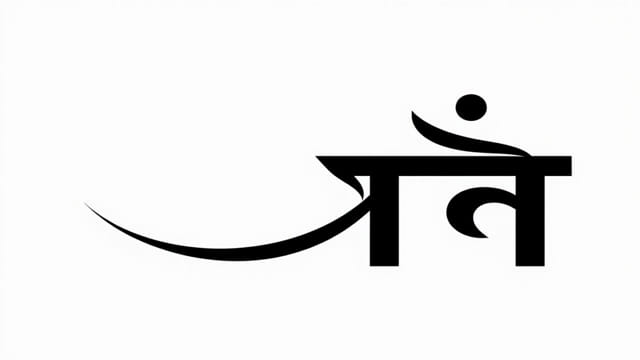
Calligraphy is not merely the art of beautiful writing it is an expression of culture, language, and aesthetics. Two significant scripts that showcase rich calligraphic traditions are the Devanagari and Roman alphabets. Each has its own distinct characteristics, historical roots, and stylistic strokes that offer endless inspiration to designers, typographers, and handwriting enthusiasts. Whether it is the bold, horizontal shirorekha of Devanagari or the fluid curves and straight lines of Roman letters, the calligraphic strokes reveal the soul of each script through ink and motion.
Historical Background of Devanagari and Roman Scripts
Devanagari Script Origins
The Devanagari script is one of the most ancient and revered writing systems used in South Asia. It dates back to the 7th century CE and is derived from the Brahmi script. Devanagari is used to write several Indian languages including Sanskrit, Hindi, Marathi, and Nepali. Its distinct feature is the horizontal line that runs across the top of most letters, known as theshirorekha.
Roman Alphabet Development
The Roman alphabet, also known as the Latin script, has its origins in ancient Rome. Derived from Greek and Etruscan scripts, it has evolved over centuries into the alphabet used by most Western languages today. From monumental inscriptions to Renaissance manuscripts, the Roman script has undergone a transformation shaped by history, function, and aesthetic choices.
Structural Features of Devanagari Calligraphy
The Shirorekha (Headline)
One of the defining features of Devanagari calligraphy is the shirorekha a horizontal line drawn from left to right across the top of letters. This line unifies characters in a word and creates a distinct visual rhythm. Calligraphers must maintain fluid motion while drawing the shirorekha to preserve consistency and harmony.
Vertical and Curved Strokes
Below the shirorekha, characters are composed of a variety of vertical, diagonal, and curved strokes. For example, the character ऒ (ka) includes a rightward swooping curve and a downward stroke, both of which require control and precision. Some characters, such as म’ (ma) or ष’ (á¹£a), involve complex combinations of lines and curves, showcasing the versatility of the script.
Stroke Technique and Tools
Traditional Devanagari calligraphy often uses reed pens or brushes, allowing for expressive variation in stroke thickness. Modern calligraphers may use fountain pens or dip pens with flat or broad nibs to achieve classic Devanagari forms. Emphasis is placed on upward strokes being lighter and downward strokes more pressured, maintaining visual balance.
Calligraphic Aspects of the Roman Alphabet
Serif and Sans-Serif Distinctions
The Roman script is composed of 26 letters, and its calligraphy often involves styles like serif (e.g., Roman capitals) and sans-serif (modern scripts). Serif strokes feature small lines or embellishments at the ends of characters, while sans-serif styles are cleaner and more minimalistic. In traditional calligraphy, serif forms are executed with precision and grace.
Basic Stroke Types
- Vertical strokes: Straight lines with consistent pressure.
- Diagonal strokes: Used in letters like N’, K’, and X’.
- Rounded strokes: Seen in O’, C’, and G’, often requiring delicate curve control.
- Crossbars and terminals: Horizontal strokes as seen in A’, E’, T’, often with subtle tapers or flares.
Calligraphic Roman styles include foundational hand, uncial, italic, and Gothic. Each requires different angles, pen positioning, and rhythm.
Comparing Calligraphic Styles and Stroke Techniques
Form and Flow
Devanagari calligraphy tends to flow horizontally with each letter connected visually by the shirorekha, creating a wave-like impression across a line. Roman calligraphy, by contrast, emphasizes individual letters with distinct vertical and diagonal emphasis, producing a more segmented and modular visual structure.
Tools and Materials
- Devanagari: Flat reed pens, bamboo pens, and brushes are traditional tools. Ink or natural dyes on handmade paper are often used.
- Roman: Broad-edged pens, pointed nibs, and metal dip pens are commonly used, often with parchment or smooth paper.
While digital tools have emerged for both scripts, traditional tools offer tactile feedback and ink flow control that digital mediums still struggle to replicate fully.
Learning Curve and Practice
Practicing Devanagari calligraphy involves understanding character anatomy and mastering complex compound characters. It often requires cultural familiarity with ligatures and conjuncts. Roman calligraphy has a more standardized structure, though styles like Copperplate and Gothic demand high precision and a steady hand.
Aesthetic and Cultural Significance
Devanagari as Sacred Expression
Devanagari is considered sacred in Hindu and Buddhist traditions. Sanskrit scriptures, mantras, and verses are often rendered in calligraphy as a spiritual practice. The act of writing itself is meditative, often performed with mindfulness and reverence. Decorative borders and traditional motifs may accompany the text, enriching its visual appeal.
Roman Alphabet in Art and Design
Roman calligraphy has been used in classical inscriptions, medieval manuscripts, and modern design. It has a universal aesthetic that bridges old and new used in wedding invitations, typography, and even graffiti. From the elegant italic scripts of Renaissance scribes to the bold Gothic letters in medieval churches, the Roman alphabet has influenced the visual identity of Western culture.
Modern Revival and Applications
Fusion of Styles
Contemporary artists and calligraphers are exploring ways to blend Devanagari and Roman scripts. This fusion often results in bilingual or hybrid typographic works that reflect multicultural identities. Designers may use Roman structure with Devanagari flair or vice versa to create innovative visual compositions.
Calligraphy in Digital Media
With the rise of digital fonts and graphic tablets, calligraphy is evolving. Digital Devanagari fonts often attempt to simulate handwritten strokes, while Roman fonts now include calligraphic variants for branding and publishing. However, handcrafted calligraphy remains prized for its uniqueness and personal touch.
The calligraphic strokes of the Devanagari and Roman alphabets are rich with history, symbolism, and stylistic elegance. While they differ in structure and technique, both scripts offer infinite possibilities for artistic expression. Whether carved in stone, inked on paper, or rendered digitally, these calligraphic traditions continue to inspire across cultures and generations. For anyone interested in typography, language, or visual design, studying the nuances of Devanagari and Roman calligraphy opens the door to a deeper understanding of communication as both a science and an art.