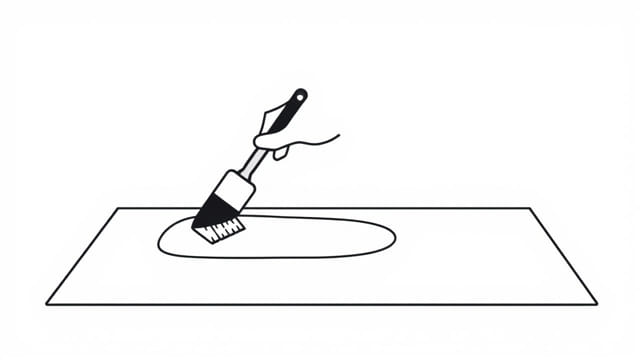
Linoleum is a durable and cost-effective flooring option commonly found in older homes, kitchens, and commercial spaces. Over time, however, it can become worn, discolored, or simply outdated. Homeowners often wonder whether it’s possible to paint linoleum instead of replacing it, especially when working with a limited budget. The good news is that with the right preparation and materials, painting linoleum floors is entirely feasible and can give a fresh look to any room. Knowing the proper steps, tools, and paint types is essential to achieving long-lasting results that enhance your interior space.
Understanding Linoleum as a Surface
Before diving into painting, it’s important to understand what linoleum is. Unlike vinyl, which is made from synthetic materials, linoleum is created from natural ingredients such as linseed oil, cork dust, and wood flour. This composition gives it some degree of porosity, making it slightly more receptive to paint when compared to vinyl. However, linoleum also has a waxy finish that must be removed for paint to adhere properly.
Common Reasons to Paint Linoleum
- Revitalize old or faded flooring
- Change color to match updated decor
- Cover stains or damage
- Avoid the cost and hassle of replacement
Can You Really Paint Linoleum?
Yes, you can paint linoleum floors, but success depends heavily on surface preparation and choosing the correct materials. Painting linoleum isn’t as simple as applying a coat of latex paint and hoping it sticks. A series of steps must be followed to ensure that the paint adheres correctly and holds up under foot traffic.
Steps to Paint Linoleum
Painting linoleum requires thorough cleaning, sanding, priming, and applying the right paint. Skipping any of these steps may result in peeling, chipping, or a finish that doesn’t last. Below are the essential steps for a successful DIY linoleum painting project.
1. Clean the Floor Thoroughly
Start by removing any dirt, dust, grease, or wax from the linoleum. Use a heavy-duty degreaser or a mixture of vinegar and water. Be sure to scrub any stubborn stains or residue and allow the floor to dry completely before moving on to the next step.
2. Sand the Surface
Once the floor is clean and dry, use medium-grit sandpaper (around 120-grit) to sand the surface. This helps remove the glossy finish and creates a texture that the primer and paint can grip. A pole sander or orbital sander can make the job easier. Vacuum and wipe the floor afterward to remove dust.
3. Apply a Bonding Primer
A bonding primer is crucial when painting linoleum because it ensures that the paint sticks to the surface. Use a primer specifically designed for floors or high-adhesion primers suitable for smooth surfaces. Apply one to two coats, allowing ample drying time between each coat.
4. Choose the Right Paint
For linoleum, the best paint options are porch and floor enamel, epoxy paint, or polyurethane-based floor paints. These types are durable, moisture-resistant, and designed for high-traffic areas. Avoid standard wall paint, as it won’t withstand foot traffic or moisture.
5. Apply Paint in Thin, Even Coats
Using a paint roller or brush, apply thin and even coats to the floor. Two to three coats may be necessary for full coverage, with appropriate drying time between coats. Make sure the room is well-ventilated and avoid walking on the painted surface until it’s fully cured.
6. Add a Protective Topcoat
After the paint has dried, apply a clear polyurethane sealer for added durability. A water-based polyurethane is preferred for indoor use as it dries clear and has less odor. The topcoat protects against scratches, spills, and daily wear, helping your painted linoleum floor last longer.
Pros and Cons of Painting Linoleum
While painting linoleum can be a budget-friendly upgrade, it comes with both advantages and limitations. Consider these factors before committing to the project.
Pros
- Cost-effective compared to replacing flooring
- Customizable with color and pattern options
- Environmentally friendly by reusing existing materials
- Can transform outdated spaces quickly
Cons
- Labor-intensive preparation process
- Paint may eventually chip or wear in high-traffic areas
- Not suitable for every room (e.g., extremely wet areas)
- Requires maintenance and touch-ups over time
Maintenance Tips for Painted Linoleum
To keep your painted linoleum floor looking fresh and clean, it’s important to maintain it properly. Avoid dragging furniture, use rugs in high-traffic zones, and clean up spills quickly. Mop the floor gently using mild cleaners avoid harsh chemicals that can erode the protective coating.
How Long Does It Last?
The durability of a painted linoleum floor depends on the quality of the preparation and materials. When done properly, a painted linoleum surface can last several years, especially with regular maintenance and the application of a fresh topcoat every year or two.
Design Ideas for Painted Linoleum Floors
Beyond simply changing the color, painting linoleum opens up a world of creative possibilities. Homeowners can use stencils to create patterns, tape off geometric shapes for a modern look, or even mimic the appearance of tiles or hardwood with some careful planning and execution.
- Checkerboard: Classic and timeless in kitchens and entryways
- Chevron: Modern and stylish design perfect for hallways
- Solid Color: Clean and uniform appearance with minimal effort
- Faux Rug: Painted to resemble an area rug using stencils
Painting linoleum is a practical and creative way to update tired or outdated flooring without the cost of full replacement. With proper preparation, the right materials, and attention to detail, it’s possible to achieve long-lasting and visually appealing results. Whether you’re aiming to refresh a laundry room, kitchen, or hallway, painted linoleum can be a surprisingly effective and budget-friendly solution. Just remember to follow the necessary steps and maintain the surface to enjoy its beauty for years to come.