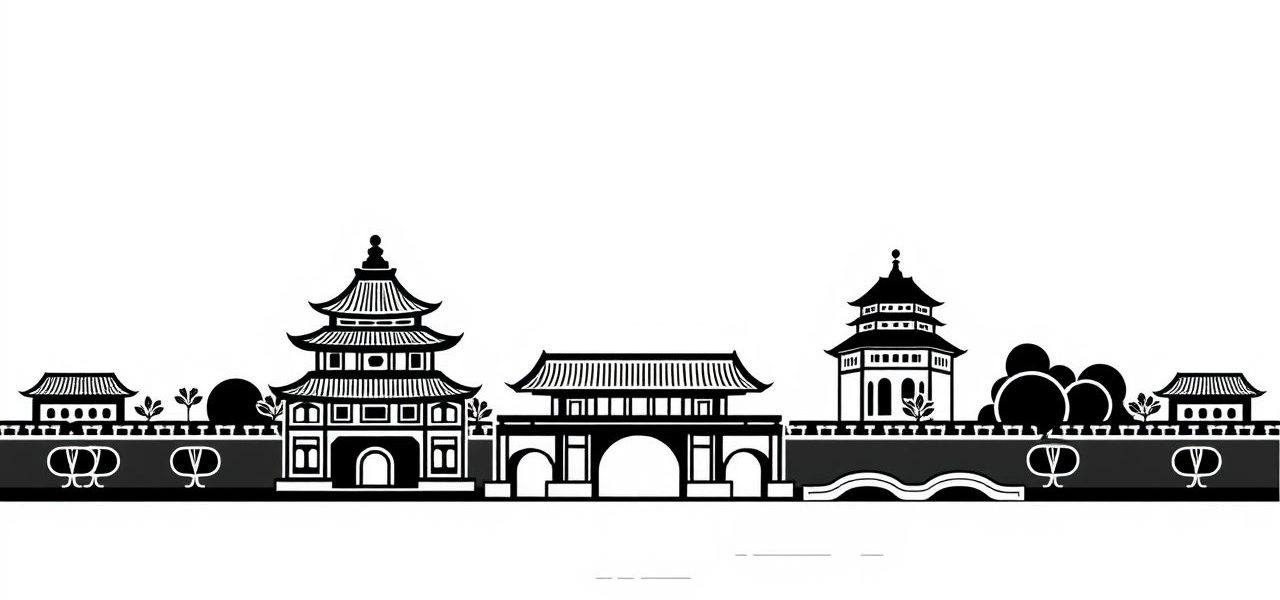
Kaifeng and Hangzhou are two historic cities in China that have played prominent roles as imperial capitals during different periods of Chinese history. These cities were not only political centers but also cultural, economic, and social hubs, reflecting the grandeur and complexity of Chinese civilization. Kaifeng, located in Henan province, rose to prominence during the Northern Song Dynasty, while Hangzhou, in Zhejiang province, became the capital during the Southern Song Dynasty after the northern territories were lost to invaders. Both cities left an indelible mark on Chinese history, showcasing unique urban planning, architecture, and cultural achievements that influenced subsequent generations.
Kaifeng Capital of the Northern Song Dynasty
Kaifeng served as the capital of the Northern Song Dynasty from 960 to 1127. Situated along the Yellow River, it benefited from fertile lands, strategic location, and access to major trade routes. Kaifeng was meticulously planned with city walls, imperial palaces, administrative offices, and bustling markets. The city exemplified the Song Dynasty’s emphasis on governance, culture, and commerce. Its population grew rapidly, making it one of the most populous cities in the world during its peak.
Political and Administrative Significance
As the imperial capital, Kaifeng housed the emperor, central bureaucracy, and key government institutions. The Northern Song Dynasty emphasized civil administration and meritocracy, with officials selected through the imperial examination system. Kaifeng’s status as a capital reinforced the dynasty’s focus on centralized governance, legal reform, and efficient taxation systems. The city became a symbol of political power and stability, attracting scholars, administrators, and officials from across the empire.
Cultural and Economic Flourishing
Kaifeng was not just a political center; it was also a hub for arts, literature, and technology. The city thrived economically due to trade along the Grand Canal and local industries such as silk production, porcelain manufacturing, and paper-making. Kaifeng’s streets were filled with markets, shops, and teahouses, reflecting a vibrant urban life. Cultural activities, including painting, poetry, and theater, flourished under imperial patronage, making Kaifeng a center for intellectual and artistic advancement.
Decline and Legacy
Kaifeng’s prominence ended in 1127 when the Jurchen invasions forced the Northern Song court to flee south. Despite this, the city’s historical significance remained, influencing urban planning and cultural development in later periods. Today, Kaifeng preserves remnants of its Song Dynasty heritage through ancient architecture, temples, and cultural festivals that celebrate its historic legacy.
Hangzhou Capital of the Southern Song Dynasty
After the Northern Song fell to invaders, the Song Dynasty reestablished its government in Hangzhou, making it the capital of the Southern Song Dynasty from 1127 to 1279. Located near the Qiantang River and West Lake, Hangzhou offered natural protection, fertile agricultural land, and access to maritime trade routes. The city became a political, economic, and cultural center, reflecting the resilience and adaptability of the Southern Song rulers.
Urban Planning and Architecture
Hangzhou was carefully designed to accommodate imperial palaces, administrative offices, residential areas, and commercial districts. The city’s layout integrated natural landscapes, waterways, and gardens, highlighting Southern Song aesthetics. Hangzhou’s West Lake became a cultural and artistic inspiration, celebrated in poetry, painting, and garden design. The city also included markets, docks, and trade centers, which facilitated domestic and international commerce.
Economic and Cultural Prosperity
Hangzhou’s strategic location made it a thriving center for commerce, particularly maritime trade with Southeast Asia and beyond. The city’s silk, tea, and handicraft industries flourished, attracting merchants and artisans from various regions. Culturally, Hangzhou became a beacon for scholars, poets, and painters. The Southern Song government promoted education, scholarship, and the arts, leaving a lasting influence on Chinese intellectual and artistic traditions.
Impact on Chinese History
Hangzhou’s role as a capital demonstrated the ability of the Song Dynasty to adapt to political and military challenges while maintaining cultural and economic vitality. The city influenced subsequent urban development in China and became a model for integrating natural beauty with urban design. Hangzhou’s historic sites, including imperial gardens, pagodas, and temples, continue to reflect the grandeur of the Southern Song era.
Comparison of Kaifeng and Hangzhou
While both Kaifeng and Hangzhou served as capitals, they reflect different aspects of Song Dynasty governance and culture. Kaifeng, as the Northern Song capital, emphasized administrative efficiency, population growth, and trade along inland routes. Hangzhou, as the Southern Song capital, showcased adaptability, maritime commerce, and integration of natural landscapes into urban design. Both cities contributed to the Song Dynasty’s legacy, influencing Chinese history, culture, and urban planning.
Key Similarities
- Both cities served as political and administrative centers for the Song Dynasty.
- They were cultural hubs, promoting arts, literature, and education.
- Economic prosperity in both cities was driven by trade and local industries.
- Each city left a lasting architectural and urban planning legacy.
Key Differences
- Kaifeng was located in northern China and relied on inland trade routes, while Hangzhou was in the south with access to maritime trade.
- Kaifeng’s urban design emphasized administrative order and population management; Hangzhou integrated natural landscapes and scenic beauty.
- Hangzhou became a symbol of resilience after the Northern Song’s fall, whereas Kaifeng’s prominence ended due to invasions.
Legacy and Modern Significance
Today, Kaifeng and Hangzhou are celebrated for their historical and cultural importance. Kaifeng preserves ancient city walls, temples, and markets that reflect its Northern Song heritage. Hangzhou is renowned for its West Lake, historic pagodas, and gardens, attracting tourists and scholars interested in Southern Song culture. Both cities serve as reminders of China’s rich imperial history, offering insights into urban planning, governance, and cultural achievements during the Song Dynasty.
Kaifeng and Hangzhou played pivotal roles as capitals during the Northern and Southern Song Dynasties, respectively. Kaifeng was a thriving northern metropolis that emphasized political administration, commerce, and cultural growth, while Hangzhou demonstrated the Southern Song Dynasty’s adaptability, integrating natural beauty with urban and economic development. Both cities left enduring legacies in architecture, culture, and history, influencing future urban planning and cultural practices in China. Understanding the significance of Kaifeng and Hangzhou provides a deeper appreciation of China’s imperial history, the resilience of the Song Dynasty, and the ways in which these historic capitals shaped Chinese civilization.