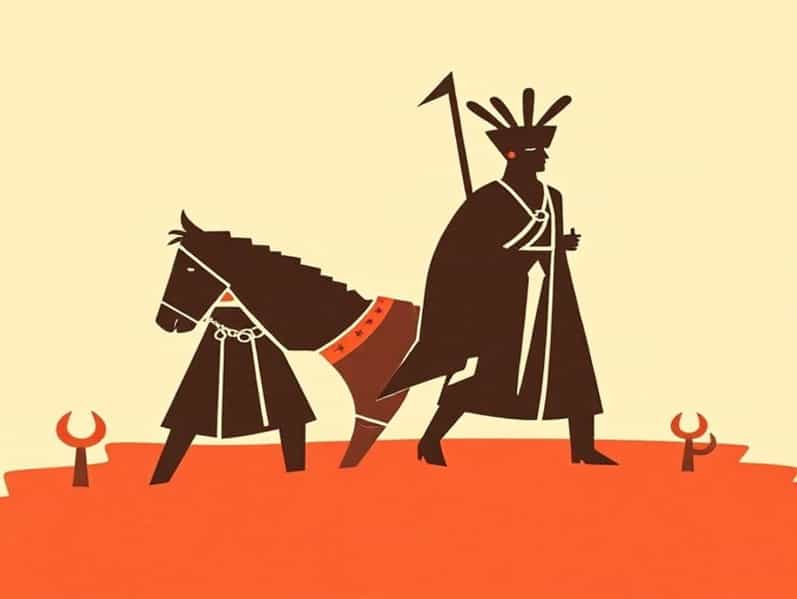
The Herero Revolt, which took place in present-day Namibia between 1904 and 1908, was one of the earliest and most significant uprisings against German colonial rule in Africa. The revolt emerged from a combination of political, economic, and social tensions, fueled by the harsh policies and oppressive practices of the German colonial administration. Understanding the causes of the Herero Revolt requires an examination of the historical context, land disputes, economic exploitation, and cultural pressures that shaped the lives of the Herero people. This event not only illustrates the resistance of indigenous populations against colonial powers but also highlights the devastating consequences of colonial oppression, including the Herero and Namaqua genocide that followed the revolt. Analyzing these causes provides insight into the broader dynamics of colonial Africa and the enduring legacies of imperialism.
Historical Context of German Colonization
German colonization of South West Africa, modern-day Namibia, began in the late 19th century as part of the European scramble for Africa. Germany sought to establish economic and political control over the region, exploiting its resources and asserting authority over local populations. The Herero people, who were primarily pastoralists, lived in central and eastern Namibia and had a well-established social and political structure. The arrival of German settlers and the imposition of colonial rule disrupted the traditional way of life for the Herero, creating tensions that would eventually escalate into open conflict. The German colonial administration enforced strict policies, including land appropriation and forced labor, which directly undermined the autonomy and livelihoods of the Herero.
Land Dispossession and Economic Exploitation
One of the primary causes of the Herero Revolt was the systematic dispossession of land by German settlers. As the colonial government granted land concessions to European settlers, the Herero were pushed off their ancestral lands, reducing their ability to graze livestock and sustain their communities. The loss of grazing land directly threatened the Herero’s pastoral economy, which depended on cattle for wealth, food, and social status. Additionally, German authorities imposed taxes and required Herero men to work on settler farms or in mining operations under exploitative conditions. These economic pressures exacerbated resentment toward the colonial administration and contributed to growing unrest.
Political Oppression and Administrative Policies
German colonial rule was characterized by authoritarian governance and the suppression of indigenous political structures. The Herero had their own chiefs and traditional leaders who managed community affairs and maintained social order. However, the German administration sought to undermine these authorities by imposing colonial officials and laws that restricted the power of local leaders. This political disenfranchisement, combined with arbitrary punishments for resistance or disobedience, created an environment of tension and mistrust. The Herero’s political autonomy was systematically eroded, leading to widespread dissatisfaction and a desire to resist colonial control.
Forced Labor and Social Pressures
Forced labor policies implemented by the Germans played a crucial role in triggering the Herero Revolt. Many Herero men were conscripted to work on European farms, infrastructure projects, or mining operations, often under harsh conditions and with little or no compensation. Women and children were similarly affected, facing restrictions on movement and social disruption. These social pressures not only disrupted traditional Herero society but also fueled anger and frustration toward the colonial authorities. The combination of economic exploitation, loss of autonomy, and social hardship created a fertile ground for revolt.
Cultural and Psychological Factors
The imposition of German culture and values on the Herero population was another contributing factor to the revolt. Colonial authorities often disregarded Herero customs, religious practices, and social norms, seeking to replace them with European ways of life. This cultural oppression was experienced as a direct attack on identity and community cohesion. The psychological impact of such suppression, combined with humiliation and violence from German settlers and soldiers, intensified the desire among the Herero to resist and defend their way of life. Leaders like Samuel Maharero emerged as symbols of resistance, mobilizing the population to reclaim autonomy and resist colonial domination.
Immediate Triggers of the Revolt
While long-term economic, political, and cultural pressures set the stage for the Herero Revolt, immediate triggers accelerated the outbreak of violence in 1904. Reports of increasing settler aggression, demands for more land, and the abuse of Herero people by German soldiers pushed tensions to a breaking point. A specific incident that ignited the revolt was the German governor’s confiscation of cattle, which were central to Herero wealth and survival. This act was perceived as a direct threat to the community’s livelihood and dignity, prompting organized resistance and coordinated attacks against colonial settlements. The revolt quickly escalated, drawing in thousands of Herero fighters and resulting in widespread conflict across the region.
Consequences of the Revolt
The Herero Revolt had devastating consequences for the Herero population. German military retaliation was brutal, culminating in what is now recognized as the Herero and Namaqua genocide. Tens of thousands of Herero were killed or forced into the desert, where many died from starvation, dehydration, and disease. Survivors were placed in concentration camps and subjected to forced labor. The scale and severity of the German response underscore the extent to which colonial powers sought to maintain control through violence and intimidation. The revolt and its aftermath had lasting impacts on Namibian society, including the near destruction of the Herero community and long-term trauma for survivors.
Lessons and Historical Significance
Examining the causes of the Herero Revolt provides important lessons about the effects of colonialism and the dynamics of resistance. The revolt illustrates how economic exploitation, land dispossession, political oppression, social disruption, and cultural suppression can converge to provoke violent conflict. It also highlights the agency of indigenous populations in resisting domination, despite facing overwhelming military and technological advantages. Understanding these causes contributes to a broader comprehension of colonial history, the roots of modern social and political tensions in Namibia, and the enduring significance of indigenous resistance movements.
The Herero Revolt was the result of a complex interplay of historical, political, economic, and cultural factors. Systematic land dispossession, forced labor, political disenfranchisement, and cultural suppression created conditions that made revolt almost inevitable. Immediate triggers, such as the confiscation of cattle and increased settler aggression, transformed long-standing grievances into armed resistance. The revolt not only demonstrated the resilience and determination of the Herero people but also revealed the extreme brutality of colonial repression. By examining the causes of the Herero Revolt, historians and readers gain valuable insight into the mechanisms of colonial oppression, the dynamics of indigenous resistance, and the profound human consequences of European imperial ambitions in Africa.