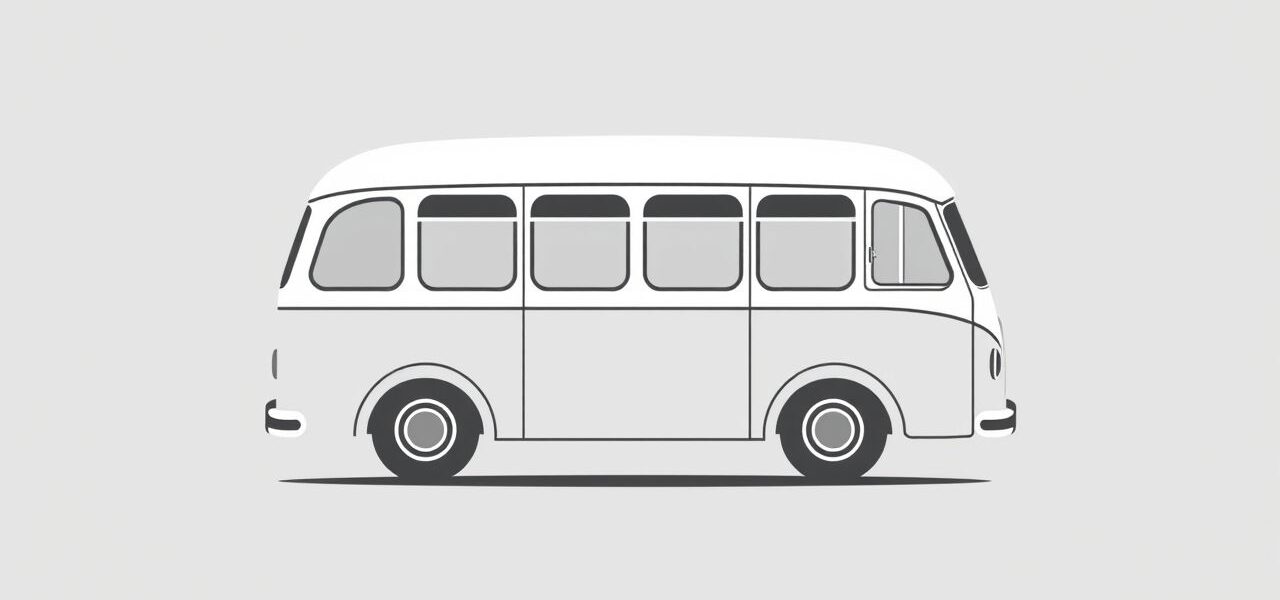
Among the many fascinating and lesser-known words in the English language, ‘charabanc’ stands out due to its historical context and specific meaning. Often associated with a particular form of transportation from the past, the word ‘charabanc’ may sound foreign or archaic to modern ears. Yet, its usage, significance, and origin tell a story that ties together language evolution, social history, and cultural travel habits. Understanding the meaning of ‘charabanc’ in English not only enriches one’s vocabulary but also offers a glimpse into how people used to journey together for pleasure and leisure.
Definition and Meaning of Charabanc
The wordcharabancrefers to a type of horse-drawn or motorized vehicle used especially in the 19th and early 20th centuries to transport groups of people on excursions or sightseeing trips. In modern English, it is most often used to describe an old-fashioned bus or coach used for group travel, particularly in the UK.
To define it more formally: a charabanc is a large vehicle, typically open-topped and with rows of seats, designed for carrying passengers on day trips. It was especially popular before private cars became common. Today, the term is rarely used in everyday English and is often regarded as quaint or nostalgic.
Pronunciation and Word Form
- Pronunciation: /ˈʃærəbæŋ/ or /ˈʃærəbæŋk/
- Part of Speech: Noun
- Plural: Charabancs
Though the spelling may seem French in origin, it is fully integrated into English usage and occasionally appears in literary or historical contexts.
Origin and Etymology
The term ‘charabanc’ comes from the French phrasechar à bancs, which literally means ‘carriage with benches.’ It was first adopted into English in the early 19th century when such vehicles became popular for organized trips. Originally pulled by horses, these carriages evolved over time into motorized forms, paving the way for what we might now call a tour bus.
The design was simple but practical benches arranged in rows, allowing many people to travel together comfortably. It became a popular way for working-class families in Britain to escape the city for a day by the seaside or countryside, especially during holidays and weekends.
Charabanc in Historical Context
In its heyday, the charabanc symbolized freedom, recreation, and collective travel. During the late Victorian and Edwardian eras, as well as in the early 20th century, it served a key role in the development of domestic tourism. Excursions to the coast, countryside picnics, and church outings often involved hiring a charabanc for the day.
These vehicles were an essential part of social life, especially for communities that couldn’t afford personal automobiles. In the 1920s and 1930s, charabanc outings were a major social event, sometimes involving entire neighborhoods or factory workforces.
Decline in Use
With the rise of private car ownership and more modern forms of transportation, the use of charabancs began to decline by the mid-20th century. However, the word remains in use for describing this specific mode of vintage travel and still appears in historical references, novels, and nostalgic accounts.
Use of ‘Charabanc’ in Sentences
To fully understand the word, it helps to see how charabanc is used in context. Below are several example sentences:
- The villagers boarded the old charabanc for their annual trip to the seaside.
- With its leather seats and open top, the vintage charabanc reminded him of his childhood excursions.
- A restored charabanc was on display at the museum, capturing the spirit of 1920s travel.
- They hired a charabanc for the church picnic, just like in the old days.
- Stories of charabanc trips were common in his grandfather’s tales of simpler times.
These examples demonstrate how the word adds a specific, almost nostalgic tone to any sentence, evoking a sense of community travel from a bygone era.
Charabanc vs Modern Coaches
It’s helpful to distinguish a charabanc from a modern coach or tour bus:
- Design: Charabancs were often open-topped with basic wooden or leather bench seating, unlike the air-conditioned, upholstered comfort of today’s coaches.
- Purpose: Both were used for group travel, but the charabanc was especially popular for informal, local excursions.
- Technology: Modern coaches are equipped with GPS, entertainment systems, and modern engines, while charabancs were relatively rudimentary.
Despite these differences, both share a communal function, bringing people together for shared experiences.
Why Learning the Word Matters
While charabanc may not be commonly used today, knowing its meaning adds depth to your understanding of English, especially when reading historical texts, British literature, or watching period dramas. It also reflects how transportation influenced social structure, leisure activities, and cultural development.
For students, travelers, and language enthusiasts, learning such words enriches vocabulary and appreciation for the evolution of daily life in English-speaking societies. Moreover, if you’re exploring the etymology of transportation terms or writing historically inspired fiction, this word may be particularly useful.
Charabanc in Modern References
Although the actual vehicles are rare today, charabanc is sometimes used metaphorically in journalism, satire, or literature. It might be employed humorously to describe a disorganized group trip or evoke the charm of old-fashioned group travel. Occasionally, some vintage travel companies or museums may still use the term when referring to restored vehicles used for guided tours.
Additionally, certain heritage events or historical reenactments may offer rides in recreated charabancs to give participants a feel of how people used to travel together.
The word charabanc carries more than just a definition; it embodies a slice of social history, a form of transportation, and a communal experience of travel from the past. Its French roots, British cultural connection, and its use in describing a specific vehicle all make it a compelling term for those interested in language, history, and travel. Though rarely heard in modern conversation, its value as a vocabulary term remains. Whether you come across it in a book, museum, or conversation, knowing what a charabanc is will surely enrich your understanding of English and the way people once explored the world together.