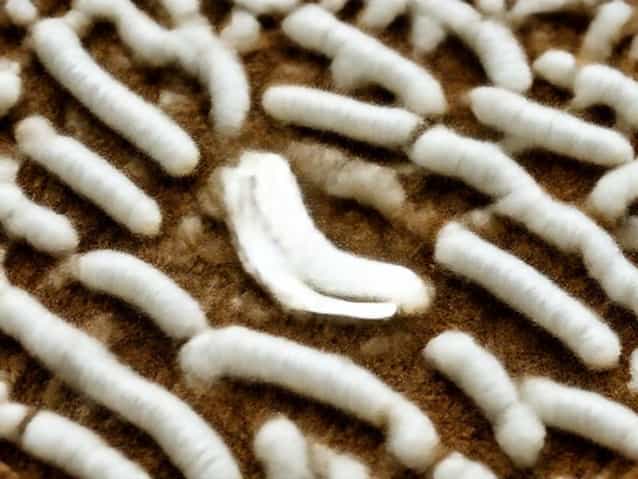
Commercial rearing of silkworms, known as sericulture, is a specialized form of agriculture that focuses on producing silk on a large scale. This practice has been carried out for thousands of years, originating in ancient China and spreading to various parts of Asia, including India, Japan, and Thailand. Sericulture involves the cultivation of mulberry plants, the breeding of silkworms, and the careful management of these insects through their lifecycle to produce high-quality silk threads. The industry not only contributes to the textile economy but also provides employment and sustenance for millions of rural families, making it a vital aspect of agricultural and industrial development in many countries.
Definition and Overview of Sericulture
Sericulture is defined as the commercial production of silk through the rearing of silkworms under controlled conditions. The primary species used is the mulberry silkworm, Bombyx mori, which feeds exclusively on mulberry leaves. The process of sericulture involves multiple stages, including the cultivation of mulberry trees, rearing silkworms in hygienic conditions, harvesting the cocoons, and extracting silk threads through reeling. The success of sericulture depends on proper care, hygiene, and optimal environmental conditions to ensure the production of long, strong, and lustrous silk fibers.
Importance of Commercial Silkworm Rearing
Commercial rearing of silkworms plays a crucial role in the global textile industry and rural economy. Some of the key reasons for its importance include
- Economic ContributionSilk is a high-value commodity, generating significant income for producers and exporters.
- Employment OpportunitiesSericulture provides livelihoods for farmers, women, and rural workers involved in cultivation, rearing, and processing.
- Rural DevelopmentThe industry supports sustainable agriculture by promoting mulberry cultivation and creating ancillary jobs in transportation and weaving.
- Environmental BenefitsMulberry cultivation helps prevent soil erosion and contributes to green cover in rural areas.
Stages of Commercial Silkworm Rearing
The commercial rearing of silkworms involves several interconnected stages that ensure high-quality silk production. Each stage requires careful attention and expertise.
1. Cultivation of Mulberry Plants
The first stage in sericulture is the cultivation of mulberry plants, which serve as the exclusive food source for silkworms. Mulberry trees thrive in well-drained soil, with adequate sunlight and water. Farmers select high-yielding varieties to maximize leaf production. Proper pruning, fertilization, and pest management are essential to maintain healthy leaves, which directly affect the growth and quality of silkworms.
2. Silkworm Rearing
Once the mulberry leaves are ready, silkworm eggs are hatched in controlled conditions. The larvae go through four molts, called instars, during which they feed continuously on mulberry leaves. Commercial rearing emphasizes hygiene, temperature, and humidity control to prevent diseases and ensure uniform growth. Silkworms are typically reared in trays or racks, with adequate spacing to avoid overcrowding.
3. Cocoon Formation
After the final instar, silkworms begin spinning cocoons around themselves using a natural protein fiber called fibroin. This stage is crucial for silk production, as the length and quality of the cocoon directly affect the silk thread. Farmers provide clean and ventilated spaces for cocooning, ensuring that the cocoons remain intact and free from contamination. Each cocoon consists of a single continuous silk filament that can reach up to 1,000 meters in length.
4. Harvesting and Processing
Once the cocoons are fully formed, they are harvested and sorted based on size, color, and quality. The next step is reeling, where the silk threads are carefully unwound from the cocoons. The threads are then twisted and woven into silk yarns or fabrics. In commercial sericulture, mechanized reeling is often used to improve efficiency and maintain consistent thread quality.
Factors Influencing Successful Sericulture
The efficiency and output of commercial silkworm rearing depend on multiple factors. Farmers and industry professionals must consider these aspects to ensure profitable operations.
Environmental Conditions
Temperature and humidity play a critical role in silkworm health and cocoon quality. Ideal temperatures range between 23-28°C, with relative humidity around 70-85%. Maintaining stable environmental conditions prevents stress and disease, leading to better growth and silk yield.
Quality of Mulberry Leaves
The nutritional quality of mulberry leaves directly impacts the health and productivity of silkworms. Leaves should be fresh, tender, and free from pesticides or contaminants. Regular monitoring and proper pruning help maintain leaf quality throughout the rearing season.
Disease Management
Silkworms are susceptible to bacterial, viral, and fungal infections. Commercial sericulture emphasizes hygiene, regular inspection, and prompt removal of diseased larvae. Prophylactic treatments and maintaining a clean rearing environment are essential to prevent outbreaks that could devastate silk production.
Economic and Social Impact
Commercial silkworm rearing significantly contributes to both local and national economies. In countries like India and China, sericulture is a major source of foreign exchange through silk exports. The industry also empowers rural communities, particularly women, by providing income-generating opportunities. Beyond economics, sericulture promotes skill development, entrepreneurship, and sustainable agricultural practices. Small-scale farmers can integrate mulberry cultivation with other crops, creating a diversified and resilient agricultural system.
Global Significance
Silk remains a high-value commodity in international markets due to its texture, luster, and cultural significance. Commercial rearing of silkworms ensures a steady supply of raw silk, which is processed into fabrics for clothing, accessories, and industrial applications. Countries leading in sericulture invest in research and development to improve silkworm breeds, increase disease resistance, and optimize silk quality. This global demand underscores the importance of organized commercial silkworm rearing as a strategic industry for many economies.
Challenges in Commercial Silkworm Rearing
Despite its advantages, commercial sericulture faces several challenges that require careful management. Climate variability, pest attacks, and disease outbreaks can reduce yield and quality. Additionally, market fluctuations and competition from synthetic fibers affect profitability. Farmers must stay updated on modern rearing techniques, invest in infrastructure for proper storage and processing, and adopt sustainable practices to maintain long-term productivity.
Future Prospects
Advancements in biotechnology, pest management, and automation are shaping the future of commercial sericulture. Improved silkworm breeds, resistant to diseases and adaptable to varying climates, are being developed. Mechanized rearing systems and automated reeling processes increase efficiency and reduce labor costs. With continuous research and investment, commercial silkworm rearing has the potential to meet growing global silk demand while supporting rural livelihoods and sustainable agriculture.
Commercial rearing of silkworms, or sericulture, is a highly organized and labor-intensive process that transforms mulberry leaves into valuable silk threads. This practice has historical roots and modern significance, providing income, employment, and contributing to the textile industry worldwide. Successful sericulture depends on careful cultivation of mulberry plants, proper silkworm rearing, disease management, and efficient harvesting and processing techniques. Despite challenges, the industry continues to thrive due to technological advancements and global demand for silk. Sericulture exemplifies the integration of traditional knowledge with modern science, sustaining both cultural heritage and economic growth through the commercial rearing of silkworms.