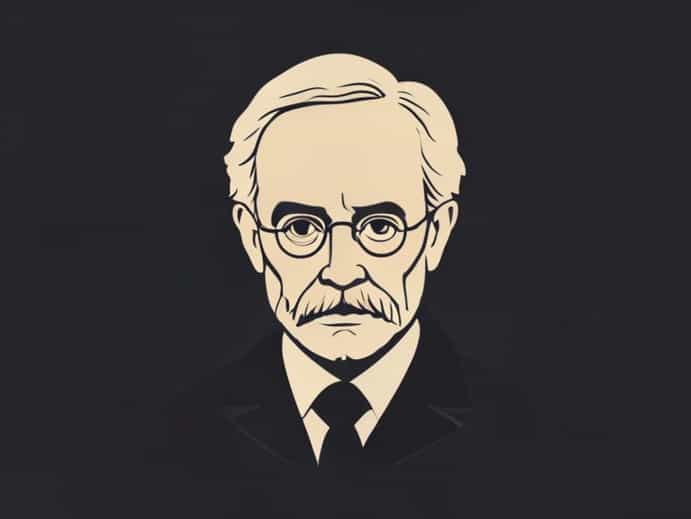
The complete works of Arthur Schopenhauer represent a profound contribution to philosophy, literature, and the understanding of human nature. Schopenhauer, a 19th-century German philosopher, is best known for his exploration of pessimism, the will, and the nature of reality. His writings cover a wide range of topics, including metaphysics, ethics, aesthetics, and psychology, offering readers deep insights into the human condition. Studying the complete works of Schopenhauer allows scholars and philosophy enthusiasts to engage with his ideas comprehensively, understanding both the breadth and depth of his thought, and appreciating why his work remains influential in contemporary discussions of philosophy.
Overview of Schopenhauer’s Philosophy
Schopenhauer’s philosophy centers on the concept of the will, which he describes as the fundamental force underlying all existence. According to Schopenhauer, the will is irrational, blind, and driving every aspect of life, from human behavior to natural phenomena. Unlike rationalist philosophers who emphasize reason, Schopenhauer argues that desire, suffering, and striving are inherent in life. This perspective leads to his renowned pessimism, suggesting that human happiness is fleeting and that suffering is a central part of existence. Exploring the complete works of Schopenhauer allows readers to trace how this central idea of the will shapes his metaphysics, ethics, and aesthetic theories.
Main Themes in Schopenhauer’s Works
Several recurring themes characterize Schopenhauer’s writings. These include
- The nature of reality as representation and will
- The universality of suffering and the human condition
- The role of art and aesthetics in providing temporary relief from suffering
- The importance of compassion and ethical behavior despite the inherent suffering of life
- The critique of optimism and philosophical systems that ignore human suffering
By examining these themes in the complete works, readers gain insight into Schopenhauer’s consistent philosophical vision and his critique of idealist traditions, particularly those of Hegel and Kant.
Major Works of Schopenhauer
The complete works of Schopenhauer encompass a variety of texts, including his magnum opus, essays, and supplementary writings. His most influential work is The World as Will and Representation, where he lays out his core metaphysical theory. In this text, he explains the distinction between the world as representation, which is the way phenomena appear to consciousness, and the world as will, the underlying reality that drives all existence. This work also addresses topics like perception, time, and causality, combining rigorous philosophical argumentation with a unique literary style.
Other Significant Writings
Beyond his main work, Schopenhauer wrote numerous essays and books that complement his philosophy. Some of these include
- On the Basis of Morality – an exploration of ethics centered on compassion rather than duty
- Parerga and Paralipomena – a collection of essays and reflections covering a wide range of subjects including aesthetics, psychology, and philosophy of religion
- The Art of Being Right – a treatise on rhetoric and argumentation
- On the Will in Nature – discussing the manifestations of will in the natural world
- Essays on literature, music, and art – emphasizing the importance of aesthetic experience as a temporary escape from suffering
Collectively, these works provide a full picture of Schopenhauer’s intellectual pursuits, showing how his metaphysical ideas extend into ethics, art, and practical philosophy.
Ethics and Morality in Schopenhauer’s Philosophy
Schopenhauer’s ethical thought is deeply tied to his metaphysics of the will. He argues that recognizing the shared suffering of all beings can lead to compassion, which forms the basis of moral action. Unlike Kantian ethics, which is grounded in duty and rationality, Schopenhauer’s morality arises from empathy and the acknowledgment of the will’s blind nature. In his essays on ethics, readers can explore how he reconciles human suffering with the possibility of ethical behavior, demonstrating that understanding the complete works of Schopenhauer is essential for appreciating his unique moral philosophy.
Aesthetics and the Role of Art
Another important aspect of Schopenhauer’s philosophy is aesthetics. He believes that art offers a temporary respite from the suffering inherent in the will. Music, in particular, is considered a direct manifestation of the will itself, providing profound emotional experience and insight. Visual arts, literature, and drama also play a role in lifting consciousness from the endless striving and desires of life. By reading the complete works of Schopenhauer, one can see how art and aesthetics are not just secondary interests but central to his philosophy, offering a practical response to human suffering.
Psychological Insights
Schopenhauer’s observations on human psychology were ahead of his time. He analyzed human desires, motivations, and the irrational aspects of behavior with remarkable insight. His work influenced later thinkers, including Sigmund Freud and other psychoanalysts, who acknowledged the significance of unconscious drives and the role of desire in shaping human action. The complete works of Schopenhauer include detailed discussions of character, temperament, and human folly, revealing a profound understanding of the human mind that complements his metaphysical and ethical theories.
Influence and Legacy
Studying the complete works of Schopenhauer also highlights his enduring influence on philosophy, literature, and psychology. Writers like Thomas Mann, Leo Tolstoy, and Jorge Luis Borges drew inspiration from his pessimism and insights into human suffering. Philosophers such as Nietzsche initially engaged deeply with Schopenhauer’s ideas, although Nietzsche later developed his own critiques. Understanding the scope of his complete works allows readers to see why Schopenhauer’s thought has remained relevant and continues to provoke discussion, study, and creative interpretation.
The complete works of Schopenhauer provide an invaluable resource for understanding one of the most influential philosophers of the 19th century. Through his exploration of the will, suffering, ethics, and aesthetics, Schopenhauer offers profound insights into the human condition. Reading his works comprehensively allows one to grasp the depth of his thought, the coherence of his philosophical system, and his enduring impact on subsequent generations of thinkers and artists. Whether approached from a philosophical, literary, or psychological perspective, the complete works of Schopenhauer remain a cornerstone of intellectual inquiry, offering lessons and reflections that continue to resonate with readers today.