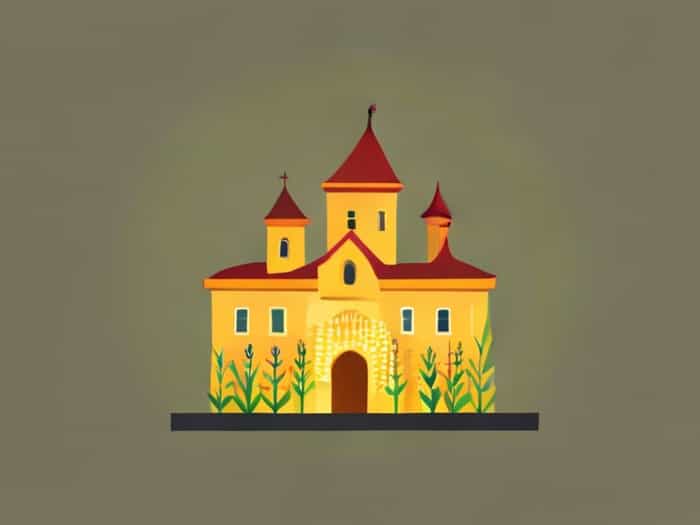
The Corn Palace in South Dakota is a unique cultural landmark that attracts visitors from across the United States and beyond. Located in Mitchell, this extraordinary building is famous for its intricate murals and designs created entirely from corn and other grains. The Corn Palace not only serves as a celebration of agriculture but also stands as a symbol of community creativity, local pride, and the rich farming traditions of the Midwest. Its annual redesign of murals makes it a dynamic and ever-changing destination that offers both educational and visual experiences for visitors of all ages.
History of the Corn Palace
The Corn Palace was first constructed in 1892 as a way to showcase South Dakota’s agricultural bounty and to encourage settlement in the region. Originally called the Corn Belt Exposition, the building served multiple purposes, including hosting political rallies, community events, and public gatherings. Over time, the Corn Palace became renowned for its unique exterior, adorned with murals made entirely from locally grown corn, grains, and grasses, creating intricate and colorful designs that celebrate the region’s agricultural heritage.
Architectural Features
The Corn Palace features a combination of Moorish Revival and modern architectural elements, making it visually striking and culturally significant. Its onion-shaped domes and decorative spires give it a distinctive appearance, while the large interior spaces allow for concerts, sporting events, and festivals. Each year, the exterior murals are redesigned to reflect new themes, often highlighting historical events, cultural icons, or aspects of farming life. This annual transformation makes the Corn Palace both a work of art and a living testament to the creativity of the local community.
Mural Designs and Themes
The most famous feature of the Corn Palace is its elaborate murals. These designs are created entirely from natural materials such as corn, wheat, millet, and other grains. Artists from the region work with volunteers to carefully plan and construct each mural, ensuring that colors and patterns are achieved using different varieties of corn and other plants. Each mural is temporary, designed to last only for the year, which encourages repeat visits as the artwork changes annually.
Community Involvement
The creation of the Corn Palace murals is a deeply communal effort. Local residents, schools, and agricultural groups participate in the harvesting, sorting, and application of corn and grains. This collaboration not only strengthens community ties but also fosters a sense of pride in the local agricultural heritage. Volunteers of all ages contribute to the artwork, making it a symbol of both artistic achievement and cooperative spirit. The process itself has educational value, teaching visitors about farming, crop diversity, and the importance of sustainable agriculture.
Events and Attractions
The Corn Palace is more than just a visual spectacle; it serves as a hub for cultural, sporting, and entertainment events in South Dakota. The palace hosts basketball games, concerts, trade shows, and festivals throughout the year, attracting visitors from across the region. Seasonal events, including the Corn Palace Festival and agricultural exhibitions, highlight local traditions and provide opportunities for family-friendly entertainment. Visitors can explore exhibits on farming techniques, local history, and the art of mural creation, making it a multifaceted destination that appeals to diverse interests.
Educational Opportunities
For schools, tourists, and researchers, the Corn Palace offers numerous educational opportunities. Exhibits provide insight into the region’s agricultural practices, the history of South Dakota, and the techniques used in creating the corn murals. Guided tours often explain the significance of each mural, the types of crops used, and the role of agriculture in sustaining local communities. Students and visitors gain a deeper appreciation for the relationship between art and agriculture, seeing how creativity and farming knowledge combine to produce something visually stunning and culturally meaningful.
Tourism and Economic Impact
The Corn Palace is a major tourist attraction in South Dakota, drawing thousands of visitors annually. Tourists come not only to see the murals but also to attend events and learn about the region’s culture. The influx of visitors supports local businesses, including hotels, restaurants, and shops, making the Corn Palace an important economic driver for Mitchell and surrounding areas. Seasonal promotions and special events further enhance its appeal, ensuring that the Corn Palace continues to play a vital role in both cultural and economic development.
Visitor Experience
- Exploring the intricate corn murals and learning about their annual redesigns.
- Participating in festivals and community events hosted at the Corn Palace.
- Visiting exhibits on local agriculture, history, and artistic techniques.
- Enjoying concerts, sporting events, and seasonal celebrations within the palace.
Significance in American Culture
The Corn Palace holds a unique place in American cultural and artistic heritage. It celebrates the agricultural history of the Midwest while providing a platform for community engagement and artistic expression. Its combination of functional space, visual art, and educational value makes it an iconic example of how regional pride and creativity can intersect. The Corn Palace continues to inspire visitors to appreciate both the beauty of agriculture and the importance of preserving local traditions through art.
Legacy and Future
Looking forward, the Corn Palace is expected to maintain its role as a cultural landmark and community hub. Continued investment in mural design, community involvement, and event programming ensures that it remains relevant and engaging. As new generations participate in its creation and celebration, the Corn Palace will continue to symbolize the connection between agriculture, art, and community life. Its evolving designs and ongoing events make it a dynamic destination that honors the past while embracing the future.
The Corn Palace in South Dakota is more than just a building; it is a celebration of creativity, community, and agricultural heritage. With its stunning corn murals, vibrant events, and educational exhibits, it offers visitors a unique experience that combines art, culture, and history. From its historical roots to its modern-day impact on tourism and community pride, the Corn Palace continues to captivate audiences and demonstrate the power of collaboration and imagination. As a symbol of South Dakota’s rich farming traditions and artistic spirit, the Corn Palace remains an enduring and cherished landmark in American culture.