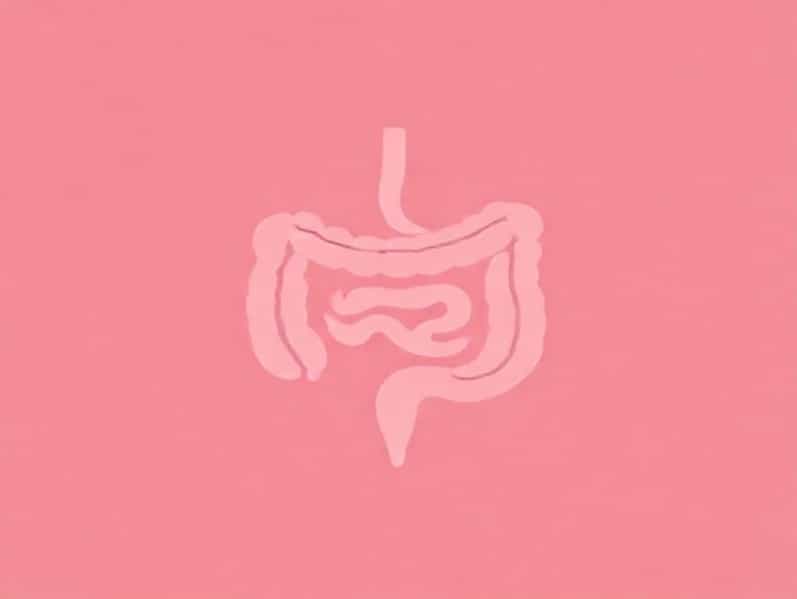
The small intestine is one of the most essential parts of the human digestive system, playing a critical role in the digestion and absorption of nutrients. Many people are curious about its size and length, as understanding these details provides insight into how the body efficiently processes food. Knowing how long the small intestine is can also help in understanding various medical conditions and the importance of maintaining digestive health. The small intestine is not only a long and flexible tube but also an intricately structured organ that ensures nutrients from food are absorbed effectively.
Structure of the Small Intestine
The small intestine is a tubular organ that connects the stomach to the large intestine. It is composed of three main sections
- DuodenumThe first section, which receives partially digested food from the stomach and begins the process of chemical digestion.
- JejunumThe middle portion, primarily responsible for the absorption of nutrients such as carbohydrates, proteins, and fats.
- IleumThe final section, which absorbs vitamins, minerals, and other remaining nutrients before passing the leftover material to the large intestine.
Each section of the small intestine has specialized structures, such as villi and microvilli, which increase the surface area for nutrient absorption. These adaptations allow the small intestine to maximize its efficiency despite being relatively narrow in diameter compared to other organs.
Length of the Small Intestine
On average, the small intestine measures about 6 meters (approximately 20 feet) in adults, though this can vary depending on age, height, and overall health. It is surprisingly long compared to other organs in the digestive system, but its length is necessary for the extensive absorption of nutrients. The duodenum is the shortest section, measuring roughly 25 30 centimeters, while the jejunum and ileum make up the remaining length, with the ileum typically being longer than the jejunum.
In infants, the small intestine is shorter, measuring around 2.5 3 meters, but it grows as the child develops. Factors such as genetics, diet, and overall health can influence the exact length of the small intestine in an individual.
Function of the Small Intestine
The primary function of the small intestine is the digestion and absorption of nutrients. Food enters the small intestine in a semi-liquid form called chyme, which mixes with digestive juices containing enzymes from the pancreas and bile from the liver. These enzymes break down proteins, fats, and carbohydrates into smaller molecules that can be absorbed into the bloodstream.
Absorption and Surface Area
The small intestine’s impressive length and internal surface area, due to villi and microvilli, allow for optimal nutrient absorption. Each square centimeter of the small intestine contains millions of villi, finger-like projections that increase the surface area significantly. The microvilli on each villus further expand the area, making the small intestine extremely efficient at extracting nutrients from food. Without this extensive surface area, the body would struggle to obtain essential vitamins, minerals, and macronutrients from the diet.
Medical Importance of Knowing the Length
Understanding the length of the small intestine is important in medical contexts, particularly in surgeries and treatments related to the digestive system. For example
- Bowel ResectionSurgeons must know how much of the small intestine can be safely removed without severely affecting nutrient absorption.
- Short Bowel SyndromeA condition that occurs when a significant portion of the small intestine is missing or damaged, leading to malabsorption and nutritional deficiencies.
- Digestive DisordersDiseases such as Crohn’s disease or celiac disease can affect different parts of the small intestine, and knowing the anatomy helps in diagnosis and treatment planning.
Factors Affecting Small Intestine Length
While the average length is about 6 meters, several factors can cause variations among individuals
- GeneticsSome people naturally have longer or shorter small intestines.
- AgeThe small intestine grows from infancy to adulthood and may decrease slightly in length with advanced age.
- Health ConditionsCertain diseases or surgeries can alter the effective length of the small intestine.
Tips for Maintaining Small Intestine Health
Maintaining a healthy small intestine is crucial for overall well-being. Here are some tips
- Eat a balanced diet rich in fiber, which helps regulate digestive processes.
- Stay hydrated to facilitate the movement of food through the digestive tract.
- Incorporate probiotics and fermented foods to maintain a healthy gut microbiome.
- Avoid excessive use of medications that can harm the intestinal lining, such as certain antibiotics or anti-inflammatory drugs.
- Regular check-ups with a healthcare provider, especially if experiencing digestive issues, can help prevent long-term complications.
The small intestine, measuring approximately 6 meters in adults, is a vital organ responsible for the digestion and absorption of nutrients. Its length, combined with specialized structures like villi and microvilli, makes it highly efficient at extracting essential nutrients from food. Understanding its size and function provides insight into human physiology and highlights the importance of digestive health. Maintaining the small intestine through a balanced diet, hydration, and regular medical care ensures that the body receives the nutrients it needs to function optimally. Recognizing the significance of this organ can also help individuals appreciate the complexity of the human digestive system and the remarkable ways in which it supports life.
Knowing cuánto mide el intestino delgado is not just a matter of curiosity but also a critical aspect of health awareness. By taking care of this organ, we ensure that our bodies are able to absorb nutrients efficiently, prevent digestive disorders, and maintain overall well-being throughout our lives.