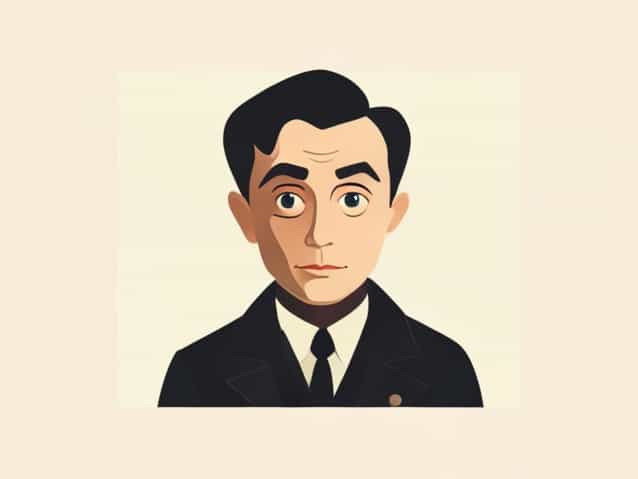
The story of The Curious Case of Benjamin Button remains one of the most thought-provoking and emotionally resonant tales in modern literature and film. It tells the life of a man who is born old and ages in reverse, a concept that immediately captures the imagination. Both the original short story by F. Scott Fitzgerald and the 2008 film adaptation directed by David Fincher explore the idea of time, love, and the human experience from an unusual perspective. The story raises profound questions about life’s meaning, mortality, and how we value the fleeting nature of youth and age.
Origins of The Curious Case of Benjamin Button
F. Scott Fitzgerald first published The Curious Case of Benjamin Button in 1922 in Collier’s Magazine. The story was later included in his collection Tales of the Jazz Age. Fitzgerald’s inspiration reportedly came from a remark made by Mark Twain, who once said that life would be far more logical if people were born old and grew younger with time. This curious idea became the foundation of a tale that defied conventional storytelling and explored aging in reverse.
In Fitzgerald’s version, Benjamin is born as an elderly man in Baltimore in 1860. His parents, shocked and confused by their newborn’s wrinkled face and white hair, attempt to raise him despite his peculiar condition. As the years pass, Benjamin grows younger instead of older, leading to both comedic and tragic consequences. The story humorously critiques social norms and expectations, while subtly reflecting Fitzgerald’s preoccupation with time and identity.
The 2008 Film Adaptation
More than eighty years after Fitzgerald’s story was published, The Curious Case of Benjamin Button was reimagined as a feature film directed by David Fincher. Starring Brad Pitt as Benjamin and Cate Blanchett as Daisy, the movie adapts the core concept of reverse aging but places it in a new setting, stretching from World War I to the 21st century. The film was acclaimed for its emotional depth, visual effects, and exploration of love and loss across time.
While the movie shares its central premise with Fitzgerald’s original, it takes a much more romantic and philosophical tone. It focuses on the relationship between Benjamin and Daisy, two people whose lives intersect at opposite stages of aging. The result is a deeply human story about the inevitability of change and the beauty of moments shared between people, no matter how fleeting.
The Storyline in Detail
In the film, Benjamin Button is born in New Orleans in 1918, appearing as an infant with the body of an old man. His father, horrified by his appearance, abandons him on the steps of a nursing home. He is discovered and raised by Queenie, a kind-hearted caretaker who treats him as her own son. Growing up in a home for the elderly, Benjamin blends in with the residents due to his aged appearance, even though he is a child inside.
As years go by, Benjamin begins to grow younger. His physical body rejuvenates while his mind matures like that of a normal person. He experiences love, adventure, war, and self-discovery. During this journey, he meets Daisy, a young girl visiting her grandmother at the nursing home. Their friendship evolves into a romance as their ages cross paths-when Benjamin grows into his physical prime while Daisy grows older. Their love story becomes a metaphor for the fleeting nature of time and the inevitable changes that come with it.
Major Themes and Symbolism
The Passage of Time
Time is the central theme in The Curious Case of Benjamin Button. By reversing the aging process, the story encourages viewers to think about how time defines human experience. Whether moving forward or backward, time remains unstoppable. Benjamin’s life reveals that aging-whether toward youth or death-cannot be escaped, and the meaning of life lies in how one lives, not how long.
Love and Impermanence
The romance between Benjamin and Daisy highlights the bittersweet nature of love. Their relationship is marked by perfect symmetry and painful impermanence; as one grows older, the other grows younger. The story portrays love not as something everlasting but as something beautiful precisely because it is temporary. This theme resonates with anyone who has experienced the fleeting nature of deep human connection.
Identity and Acceptance
Benjamin’s unusual condition forces him to constantly redefine his identity. He never fully belongs to one generation or community. As a child with an old body, he is treated like a senior; as a young man with a child’s mind, he struggles to fit in. His journey becomes a metaphor for self-acceptance and the challenge of finding meaning in a world that measures worth by age and appearance.
The Irony of Life and Death
Fitzgerald’s original story and Fincher’s film both explore the irony of human existence. In a traditional life, one grows wiser and more self-aware as their body weakens. In Benjamin’s case, he gains physical strength as he loses wisdom and memory. The ending, where Benjamin becomes an infant before dying, emphasizes the circular nature of life and how death can mirror birth. It is a poetic reminder that all lives, no matter how different, follow the same ultimate path.
Comparing the Book and the Film
While Fitzgerald’s short story and Fincher’s film share a similar premise, they differ significantly in tone and focus. The original story is satirical, poking fun at society’s obsession with youth and the absurdity of social conventions. It reads more like a dark comedy with philosophical undertones. Benjamin’s condition leads to awkward and humorous situations, such as enrolling in kindergarten as a senior citizen or facing rejection from peers because of his reversed aging.
In contrast, the film adaptation is more romantic and reflective. It transforms Benjamin’s life into a meditation on time and love, emphasizing emotion over satire. The addition of Daisy as a lifelong romantic partner adds emotional weight to the story, allowing audiences to connect deeply with Benjamin’s personal struggles and his inevitable separation from those he loves. While Fitzgerald focused on irony, Fincher focused on beauty and tragedy.
The Impact of The Curious Case of Benjamin Button
The film adaptation became a cultural milestone for its storytelling and groundbreaking visual effects. The digital aging and de-aging of Brad Pitt’s character were revolutionary for cinema at the time. The film received thirteen Academy Award nominations and won three, including Best Visual Effects, Best Makeup, and Best Art Direction. However, beyond its technical achievements, the movie’s enduring appeal lies in its emotional message about living fully despite time’s limitations.
In literature, Fitzgerald’s short story remains a unique exploration of human vanity, the desire for control over time, and the absurdity of reversing life’s natural order. The tale continues to be studied for its satirical brilliance and philosophical questions about what it means to live a meaningful life.
Life Lessons from Benjamin Button
- Appreciate the present momentThe story reminds us that youth and beauty are temporary, but the moments we live define who we are.
- Accept the inevitability of changeWhether growing older or younger, life’s journey is filled with transitions that shape character and wisdom.
- Love transcends timeBenjamin and Daisy’s story shows that love is meaningful even when it cannot last forever.
- Embrace imperfectionBenjamin’s unique condition symbolizes the beauty of being different and living authentically.
The Curious Case of Benjamin Button is a story that challenges our perception of time, aging, and the human condition. Whether read as Fitzgerald’s witty satire or watched as Fincher’s visually stunning film, it remains a timeless exploration of what it means to live and love. Benjamin’s reverse life journey reminds us that every stage of existence-youth, maturity, and old age-carries its own meaning and beauty. Ultimately, the story teaches that life is not defined by how long it lasts or in which direction it moves, but by the depth of emotion and experience we bring to each passing moment.