In *Deer in the Works* by Kurt Vonnegut, the reader is invited into a sharp, satirical exploration of the conflict between individuality and conformity, a recurring theme in much of Vonnegut’s work. First published in 1955, this short story combines absurdity with a clear critique of industrialization and bureaucratic systems. The protagonist, David Potter, faces a psychological and moral dilemma when he is offered a job at a massive factory. Through vivid imagery and biting irony, Vonnegut crafts a narrative that questions the price of security, the dehumanization of work, and the elusive pursuit of personal freedom in modern society.
Background of the Story
Kurt Vonnegut, known for his dry wit and unrelenting critique of modern institutions, uses *Deer in the Works* to dramatize the tension between creative aspirations and corporate culture. The story was written during a time when American society was experiencing a post-war industrial boom. With companies growing rapidly and uniformity being valued over personal expression, Vonnegut’s narrative challenged the prevailing ethos.
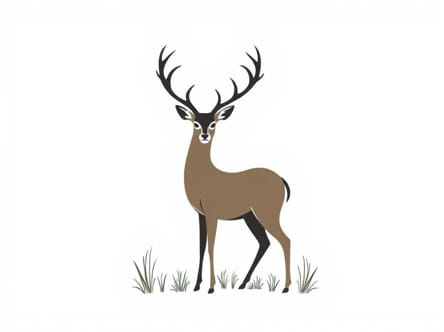
The title itself, *Deer in the Works*, is a metaphor with multiple interpretations. On one level, it refers to an actual deer that wanders into a factory. On another, it symbolizes the protagonist himself an individual trapped in a machine-like environment where freedom is systematically crushed.
Plot Overview
The story revolves around David Potter, a former journalist who has just accepted a public relations position at a large factory known for its impersonal and rigid corporate structure. On the surface, it seems like a secure and respectable job. However, as David navigates the complex bureaucracy of the plant and meets its peculiar employees, he becomes increasingly unsettled. The people he encounters seem to have lost their humanity, having become mere cogs in the industrial machine.
The turning point comes when a real deer accidentally enters the factory. While most workers see it as a nuisance or a hazard, David sees the animal as a symbol of innocence, freedom, and natural instinct. This moment sparks a deep internal crisis within him. By the end of the story, David rejects the offer and walks away from the job, much like the deer trying to escape a place it was never meant to be.
Themes and Symbolism
Conformity vs. Individuality
One of the most significant themes in *Deer in the Works* is the struggle between conformity and individuality. The factory represents a highly structured environment where creativity is stifled. David, once a journalist who valued truth and expression, is now being asked to become a mouthpiece for a corporate entity. His discomfort reflects the broader societal tension experienced by many during the mid-20th century.
The Deer as a Symbol
The deer is the most powerful symbol in the story. It represents purity, natural instinct, and resistance to control. When the deer enters the factory, it disrupts the order of the system. Employees scramble to deal with it, mirroring the way society often reacts to individuals who don’t fit the mold. David’s identification with the deer reinforces his desire to remain authentic and free rather than become part of the machinery.
Industrialization and Dehumanization
Vonnegut portrays the factory as a soul-crushing institution that dehumanizes its workers. Everything is run like a machine, and people are expected to behave accordingly. From the surveillance to the endless rules, every element is designed to strip away personal identity. Through satire, Vonnegut critiques the loss of humanity in the name of progress and efficiency.
Character Analysis
David Potter
David serves as the everyman in the story, a relatable figure struggling to find meaning in a world that increasingly values profit over people. His internal conflict drives the narrative. Although tempted by stability and financial gain, his conscience ultimately leads him to reject the job, preserving his integrity.
Factory Employees
The people David meets inside the factory are exaggerated caricatures, emphasizing how the environment has molded them into obedient, emotionless figures. They serve as foils to David, demonstrating what he could become if he surrenders his identity to the system.
Style and Tone
Vonnegut’s signature style shines throughout *Deer in the Works*. His use of humor, irony, and understatement creates a tone that is both entertaining and unsettling. He does not preach or moralize but instead allows the absurdity of the situations to speak for themselves. The concise, dialogue-driven prose keeps the story engaging while subtly delivering its philosophical insights.
Relevance Today
Though written in the 1950s, *Deer in the Works* remains highly relevant. The modern workplace continues to wrestle with issues of identity, purpose, and the balance between corporate obligations and personal fulfillment. In an age where automation, surveillance, and remote work are reshaping the employment landscape, Vonnegut’s warnings about dehumanization are more pertinent than ever.
*Deer in the Works* is a compelling narrative that asks timeless questions about what it means to be true to oneself in a world driven by conformity. Through the lens of satire and symbolism, Kurt Vonnegut offers readers a mirror to examine their own choices and values. Whether one sees themselves as the deer or the worker, the story encourages reflection on the cost of sacrificing individuality for comfort. In resisting the seductive pull of structure and security, Vonnegut reminds us that freedom, though challenging, is worth pursuing.