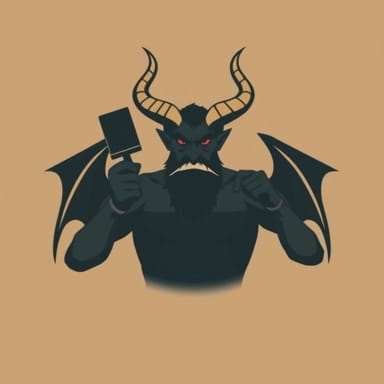
The legend of the Demon Barber of Fleet Street has fascinated audiences for generations. Known widely as Sweeney Todd, this infamous character represents a blend of horror, tragedy, and dark humor that has made him one of the most enduring figures in gothic storytelling. Whether through penny dreadfuls, stage productions, or film adaptations, the tale of a murderous barber and his chilling partnership with Mrs. Lovett continues to capture the imagination. Exploring its origins, themes, and cultural impact reveals why the Demon Barber of Fleet Street remains a timeless story.
The Origins of Sweeney Todd
The first appearance of the Demon Barber of Fleet Street dates back to 1846 in the penny dreadful publication titled The String of Pearls. Serialized for readers craving sensational stories, it introduced the sinister barber who lured unsuspecting customers into his shop on Fleet Street, only for them to meet a gruesome fate. While some believed Todd was based on a real criminal, historians generally consider him a fictional creation, born out of Victorian society’s obsession with crime, morality, and urban dangers.
Victorian Context
The mid-19th century was a period when industrial London was both thriving and dangerous. Crowded streets, poverty, and crime fed public fascination with grisly tales. Characters like the Demon Barber of Fleet Street resonated with readers because they embodied the fear that danger could lurk behind ordinary professions and locations. A barber’s shop, normally a place of routine grooming, became a setting of horror and betrayal.
The Character of the Demon Barber
Sweeney Todd is often portrayed as a vengeful man whose bitterness toward society manifests in acts of violence. His character embodies themes of betrayal, injustice, and moral corruption. Depending on the adaptation, Todd is sometimes given a sympathetic backstory, while in others he is depicted as a monstrous villain without redemption.
Partnership with Mrs. Lovett
No discussion of the Demon Barber of Fleet Street is complete without mentioning Mrs. Lovett. She is the pie shop owner who turns Todd’s victims into meat pies, making their gruesome collaboration both shocking and darkly comedic. Their partnership adds a macabre twist, turning murder into an enterprise and highlighting themes of greed, survival, and moral decay.
- Sweeney Todd provides the victims through his barber shop.
- Mrs. Lovett disposes of the bodies by baking them into pies.
- The community unknowingly consumes the pies, making them complicit in the horror.
The Demon Barber in Literature and Theater
The story of the Demon Barber of Fleet Street transitioned quickly from penny dreadfuls to the stage. Adaptations appeared in Victorian melodramas where audiences flocked to see the chilling tale performed live. The combination of suspense, horror, and melodrama was irresistible to theatergoers who loved larger-than-life stories filled with moral lessons.
Stephen Sondheim’s Musical
The most famous interpretation came in 1979 when Stephen Sondheim’s musicalSweeney Todd The Demon Barber of Fleet Streetpremiered on Broadway. This version blended gothic horror with operatic music and biting social commentary. The musical expanded Todd’s character, giving him a tragic backstory of injustice at the hands of corrupt authority figures. It also deepened the dark humor of Mrs. Lovett, making the partnership both grotesque and entertaining.
Sondheim’s adaptation transformed the tale into a masterpiece of modern theater. It won multiple Tony Awards and cemented the Demon Barber’s place in cultural history, introducing the story to new generations worldwide.
Film Adaptations of the Demon Barber
The chilling tale has also been adapted into several films. Among the most notable is Tim Burton’s 2007 movie adaptation of Sondheim’s musical, starring Johnny Depp as Sweeney Todd and Helena Bonham Carter as Mrs. Lovett. Burton’s version emphasized gothic visuals, bleak London settings, and a sense of tragic inevitability. The film reached global audiences, further embedding the Demon Barber of Fleet Street in popular culture.
Other Screen Versions
Even before Burton’s film, various television and movie adaptations kept the story alive. Each interpretation brought new dimensions to the character, from straightforward horror to more psychological explorations of Todd’s descent into madness.
Symbolism and Themes
The enduring power of the Demon Barber of Fleet Street comes from the universal themes embedded in the story. While shocking in its details, the tale resonates because it taps into deeper human fears and societal anxieties.
- RevengeTodd’s murderous actions are often framed as a response to personal betrayal and injustice.
- CorruptionThe story highlights how systems of power and justice can fail, creating monsters in their wake.
- ConsumptionMrs. Lovett’s pies serve as a metaphor for society consuming itself, both literally and figuratively.
- Moral ambiguityAudiences are forced to grapple with whether Todd is a victim of circumstance or a purely evil figure.
The Demon Barber’s Place in Pop Culture
Over time, Sweeney Todd has become more than a gothic villain he is a cultural icon. References to the Demon Barber of Fleet Street appear in books, television shows, and even music. His name has become shorthand for darkly comic horror, blending entertainment with a critique of human nature and social failings.
Why the Story Endures
The tale endures because it can be retold in many forms without losing its impact. Whether through chilling horror, satirical comedy, or tragic opera, the Demon Barber of Fleet Street speaks to timeless human emotions. His story is flexible enough to reflect changing cultural anxieties while remaining rooted in its gothic origins.
Audience Fascination with Dark Stories
The popularity of the Demon Barber also reveals something about audience psychology. People are often drawn to dark stories because they allow exploration of taboo subjects in a safe setting. The mixture of fear, fascination, and dark humor makes the story compelling, encouraging repeated retellings. Sweeney Todd gives audiences a villain to fear, pity, and even laugh at, often within the same scene.
The Demon Barber of Fleet Street remains one of the most haunting and versatile stories in gothic tradition. From penny dreadful origins to Broadway musicals and Hollywood films, the tale of Sweeney Todd has continually evolved while maintaining its chilling core. His partnership with Mrs. Lovett, the unforgettable pies, and the mix of horror with humor ensure the story’s place in cultural history. For fans of gothic fiction, theater, or darkly comic storytelling, the Demon Barber of Fleet Street will always stand as a reminder of how ordinary places can hide extraordinary horrors.
Word count ~1035